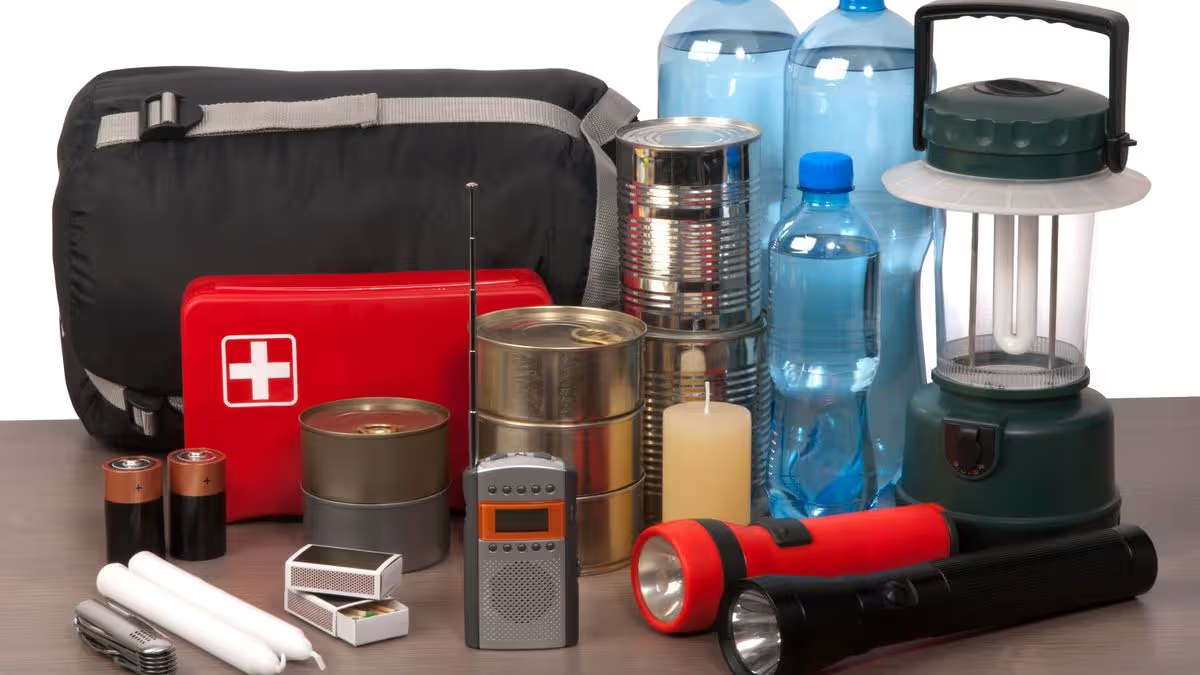



In an era defined by digital convenience and rapid technological advancement, a quiet but significant movement is taking root in homes across the United Kingdom. According to a revealing survey commissioned by the cash access network Link and conducted by YouGov in March, millions of people are consciously preparing for potential emergencies by stockpiling essential supplies. This trend, often termed “prepping,” reflects a growing public unease about the stability of our increasingly digital world. The research indicates that people are not just worried about natural disasters, but specifically about man-made disruptions like cyber-attacks, widespread IT failures, or power outages that could cripple the digital payment systems we rely on daily. It paints a picture of citizens taking pragmatic, if cautious, steps to ensure their own and their families’ resilience in the face of unforeseen crises.
The practical preparations people are making offer a fascinating glimpse into modern concerns. The survey found that nearly half of all respondents (49%) keep a battery-powered torch at the ready, while 47% have a supply of tinned goods stored away. Perhaps most telling for our connected age, 37% ensure they have a charged power bank in the house to keep their phones operational. Most poignant, however, is the fact that 17% of people—representing millions—are keeping a physical stash of cash at home. This isn’t money for daily spending, but a deliberate emergency fund, a tangible asset meant to function when digital screens go dark. These items, from canned food to cash, are more than just supplies; they are symbols of a desire for self-reliance and control in a complex and sometimes fragile societal infrastructure.
This preparedness stands in interesting contrast to the ongoing evolution of everyday spending habits. The same survey shows that the use of physical cash for daily transactions continues its steady decline. Only 61% of people reported using cash in the two weeks prior to the survey, down from 69% in 2025 and 73% in 2024. For in-store purchases, contactless cards (42%) and phone payments (30%) are now the clearly preferred methods, with 10% of people identifying as “fully cashless.” Supermarkets, cafes, and pubs remain common places where cash is still used, often for smaller purchases or when giving money to friends and family. Yet, even as digital payments become the norm for convenience, a significant portion of the population, particularly those aged 55 and over (16%), still express a clear preference for the tangibility of coins and banknotes.
The rationale for holding onto cash, whether in a wallet or a hidden stash, reveals a deep-seated understanding of its unique value. When asked why they wouldn’t go completely cashless, 61% of respondents pointed to its importance for low-value and person-to-person payments. More critically, 56% stated that cash is vital as a backup during digital payment outages. This highlights a crucial distinction: while digital payments are loved for their convenience, cash is trusted for its reliability and independence from technology. It represents choice, privacy, and a fundamental form of control over one’s own resources. This sentiment is echoed by Graham Mott, Link’s director of strategy, who notes that cash remains a key part of the UK’s payment landscape, not just for budgeting but increasingly as a pillar of personal resilience planning.
The broader implications of this “prepping” trend speak to a societal moment of reflection. The fact that 45% of people find it inconvenient when businesses refuse cash, and that 56% do not expect to go cashless within the next year, suggests a collective pushback against a purely digital future. People are intuitively recognizing the risks of putting all their eggs in one technological basket. Keeping emergency cash, food, and light sources is less about expecting doom and more about a rational assessment of vulnerability. In a world where a software glitch can freeze bank accounts or a storm can knock out power grids for days, these preparations are a form of modern insurance, a way to reclaim a sense of security and agency.
Ultimately, the survey findings tell a story of balance and preparedness. They reveal a population adept at navigating the ease of digital life while simultaneously hedging against its potential failures. The decline in everyday cash use is a reality of progress, but the deliberate act of saving physical money for a rainy day is a testament to its enduring, irreplaceable role. It underscores that true resilience lies not in total dependence on any single system—digital or otherwise—but in maintaining options. As we move forward, the wisdom displayed by these millions of preparers suggests that the healthiest relationship with technology is one that appreciates its benefits while thoughtfully planning for its possible absences, keeping the humble torch, the canned beans, and the paper currency close at hand, just in case.