

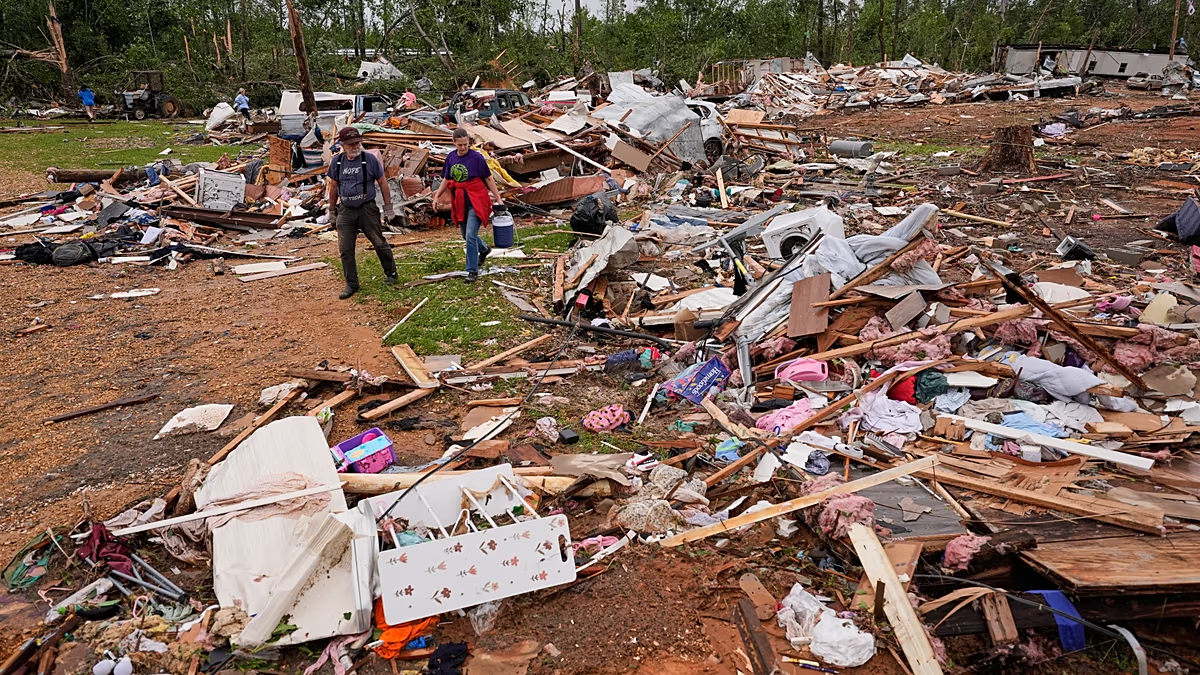
The serene landscapes of several Mississippi counties have been violently reshaped, as captured in stark, sweeping aerial footage that reveals the profound power of nature’s fury. In the wake of powerful storms that swept through the region, spawning at least three confirmed tornadoes, the view from above tells a story of profound disruption. Where once stood homes and bustling community spaces, the footage now shows vast swaths of land scarred by destruction: buildings reduced to piles of splintered lumber and twisted metal, vehicles tossed and crumpled as if they were toys, and centuries-old trees wrenched from the earth, their roots exposed to the sky. This bird’s-eye perspective underscores the sheer scale of the event, transforming familiar neighborhoods into scenes of heartbreaking devastation, with the damage to approximately five hundred homes marking this as a catastrophic blow to the heart of these communities.
On the ground, the human dimension of this disaster comes into sharp focus. In the harsh light of day, residents emerged to walk slowly through the remnants of their lives, their figures small against the backdrop of overwhelming loss. They picked through debris that was once a porch, a kitchen, or a child’s bedroom, searching for salvageable fragments of their normalcy. The miracle, as authorities reported, is that despite the widespread damage that left at least seventeen people injured, there were no reported fatalities—a testament to early warnings, resilient storm shelters, and perhaps a stroke of luck. This absence of loss of life offers a crucial silver lining amidst the rubble, a foundational hope upon which the long process of recovery can begin, even as the shock and grief over lost homes and landmarks remain deeply personal and raw.
The storms struck with little ceremony late on Wednesday, their darkness masking the full extent of their violence until morning. As the sun rose, emergency teams fanned out across the affected counties, their urgent work beginning alongside that of dazed homeowners. First responders navigated blocked roads and downed power lines to conduct welfare checks, while utility crews worked to restore essential services. This initial phase of assessment is critical, a collaborative effort between professional agencies and resilient citizens to map the needs and priorities, from securing unstable structures to providing immediate shelter for those who can no longer return to their homes. The collective sigh of relief for lives spared now fuels the collective resolve to confront the daunting cleanup ahead.
Now, the communities face the arduous journey from response to recovery, a path that will stretch far beyond the news cycle. The injured require ongoing care, and hundreds of families must find temporary housing, navigate insurance claims, and make agonizing decisions about rebuilding. The psychological toll, the stress of displacement and uncertainty, will linger long after the debris is cleared. Yet, in classic Mississippi spirit, the groundwork for solidarity is already visible. Neighbors help neighbors tarp damaged roofs, local organizations mobilize donation drives, and stories of strangers offering meals and shelter begin to circulate, weaving a new narrative of compassion through the narrative of loss.
The road forward will be long and demanding, requiring sustained support and resources. While the immediate danger has passed, the vulnerability exposed by the storms remains. The event will inevitably renew important conversations about community preparedness, the strength of building codes, and the increasing volatility of weather patterns. For now, however, the focus remains on the human need at hand: providing stability, security, and a sense of agency back to those whose world was turned upside down in a matter of minutes. The true measure of these storms will not be found in the aerial footage of destruction, but in the strength of the response that follows.
Ultimately, this story is one of dichotomy: between devastation and hope, loss and survival, helplessness and incredible human strength. The aerial images show a landscape broken, but the ground-level view reveals a community that is not. The damaged homes, numbering in the hundreds, represent profound personal crises, yet the collective effort to heal has already begun. As the assessment continues and the recovery takes shape, the people of these Mississippi counties embody a resilient truth—that even when the winds tear everything down, the foundations of community and care often hold firm, providing the indispensable bedrock for rebuilding, not just structures, but lives.