



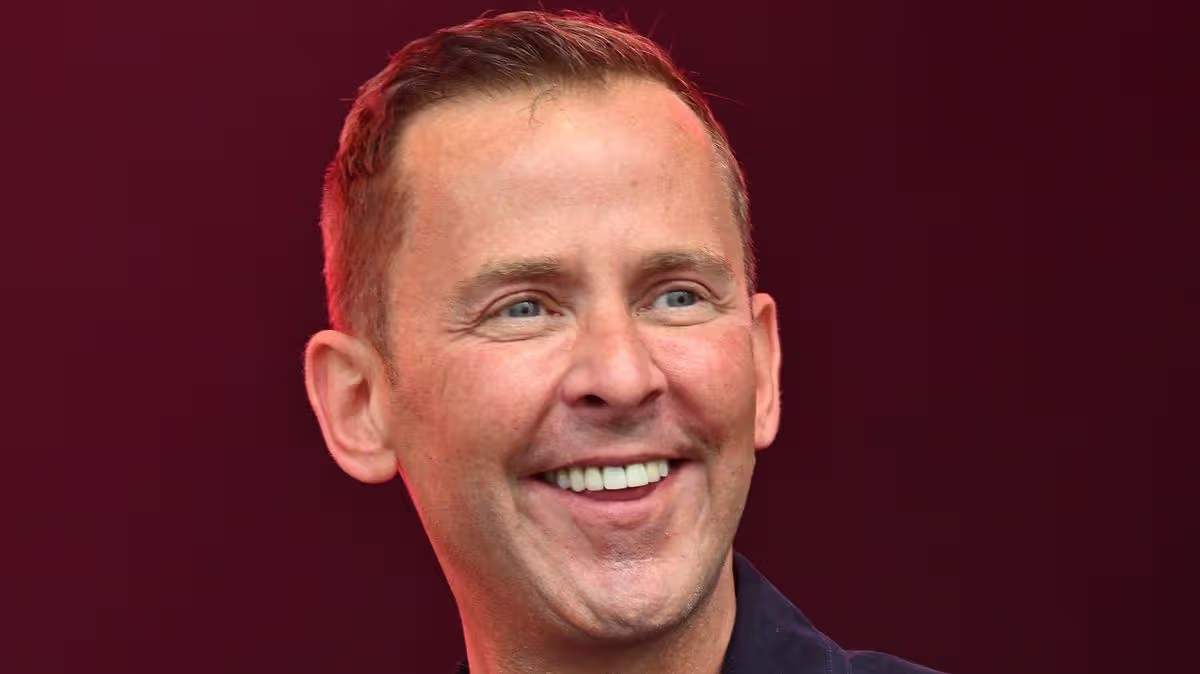
In a dramatic escalation of the controversy surrounding his departure from the BBC, veteran radio presenter Scott Mills has initiated legal proceedings against the corporation for unfair dismissal, according to exclusive reports. The 53-year-old DJ, a long-standing and popular voice on BBC Radio 1 and later Radio 2, was abruptly terminated from his contract, a move the BBC linked to a historical police investigation. Mills, however, is now poised to challenge the grounds of his dismissal in a lawsuit that insiders suggest will become a complex and contentious legal battle. He has reportedly engaged prominent lawyers to file the case, setting the stage for a direct confrontation with his former employer over the circumstances of his exit.
Central to Mills’s legal argument is the claim that he was entirely transparent with BBC management years ago. The broadcaster stated that “new information” had emerged, which sources indicate was the specific age of the accuser, described as a boy under 16. Mills’s team is expected to counter that he disclosed the full details of the police probe, including the accuser’s age, to Radio 1 bosses at the time the investigation was active. This contradiction suggests the case may hinge on internal BBC communications and the interpretation of what constituted “new” information. A source close to the situation ominously warned, “It’s going to get very messy indeed,” highlighting the profound disagreement over the timeline and nature of disclosures.
The police investigation at the heart of the matter dates back to 2016, when an allegation of a serious historic sexual offence was made against Mills. He was interviewed under caution by the Metropolitan Police in 2018, and a full case file was subsequently submitted to the Crown Prosecution Service (CPS). After reviewing the evidence, the CPS concluded in 2018 that there was insufficient evidence to bring any charges, effectively closing the case. In a statement released through his lawyers, Mills confirmed the investigation related to him, expressed his full cooperation with authorities, and noted the allegation was nearly three decades old. He has consistently maintained his innocence and had hoped the matter, being legally resolved years prior, would remain private.
Friends and supporters of the DJ have expressed deep concern for his well-being in the wake of his very public dismissal, describing him as devastated by the turn of events. The sudden end to his decades-long BBC career has not only been a professional blow but also a deeply personal one, forcing him into a spotlight he had sought to avoid. Mills was recently seen near his Hertfordshire home with his husband, Sam Vaughan, and their dog, as his inner circle rallies around him. In his earlier statement, he movingly thanked his well-wishers, former colleagues, and beloved listeners, saying, “I wish to thank from the bottom of my heart all those who have reached out to me with kindness… who I greatly miss.”
The impending lawsuit raises significant questions about workplace protocols, duty of care, and the reconciliation of historical allegations with employment rights after legal authorities have concluded their work. From Mills’s perspective, he acted with propriety by informing his employer, cooperated fully with a formal police investigation that resulted in no charges, and had moved forward with his career and life. The BBC, conversely, appears to have acted on a reassessment of the information, leading to a decision that has profound consequences for his reputation and livelihood. The legal process will now scrutinize whether the corporation’s actions constitute a fair response or a disproportionate dismissal based on information he contends was not new.
This case transcends the individuals involved, touching on broader societal debates about how institutions handle historical allegations, the weight given to unproven claims in the court of public opinion, and the delicate balance between corporate reputation and employee fairness. As Scott Mills prepares to face the BBC in court, the outcome will be closely watched, potentially setting a precedent for how similar situations are managed in the future. For now, a respected broadcaster finds himself fighting not just for compensation, but for the restoration of his professional standing and personal peace after a career-defining relationship has ended in acrimony and litigation.