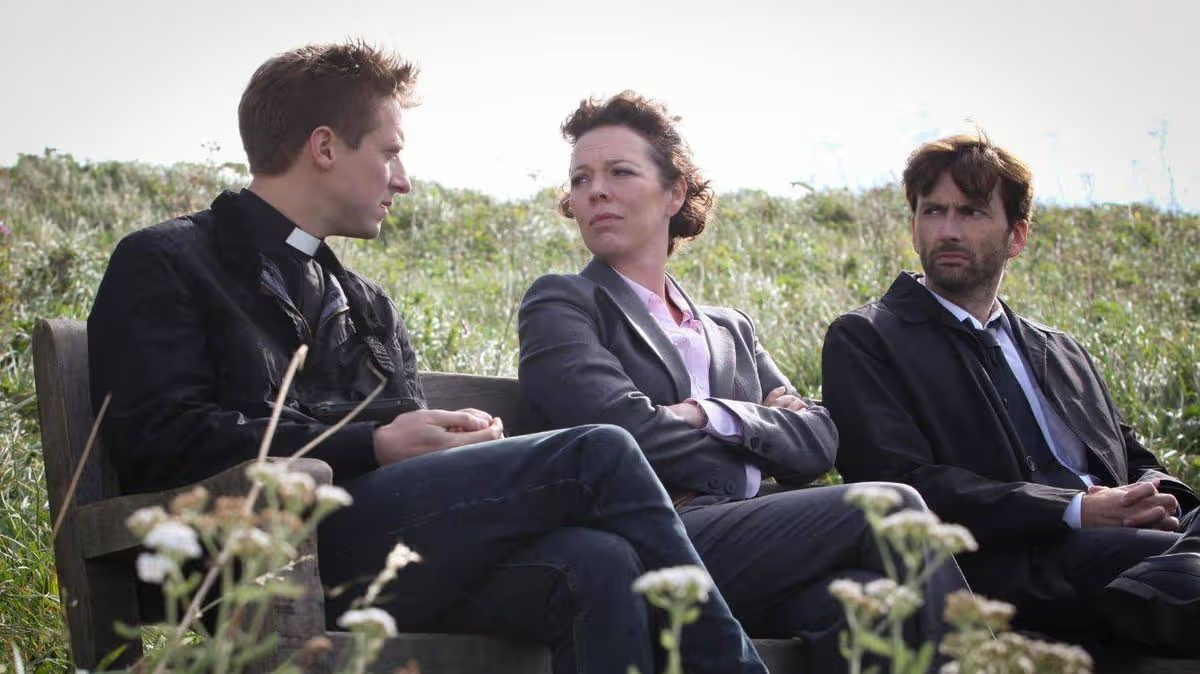



Nestled within the serene, picturesque landscape of the Dorset coast lies the fictional town of Broadchurch, a community whose stunning cliffs and sweeping beaches belie a profound and shattering darkness. The award-winning British crime drama Broadchurch begins with an unthinkable tragedy: the discovery of an eleven-year-old boy, Danny Latimer, at the foot of those cliffs. This single event acts as a detonation, fracturing the very bedrock of this tight-knit community. What unfolds over the ensuing episodes is not merely a hunt for a killer, but an intimate, agonizing autopsy of a town in mourning. The series distinguishes itself immediately from the adrenaline-fueled conventions of the police procedural genre. There are no high-speed chases or dramatic shootouts; instead, the investigation is a meticulous, painstaking process led by two deeply flawed detectives, whose personal struggles become inextricably linked with the case they are trying to solve. This focus on emotional truth over sensational action marks Broadchurch as a masterpiece of human drama, using the framework of a murder mystery to explore the devastating ripples of loss.
At the heart of this exploration are the detectives themselves, a pairing that ranks among television’s most compelling. DS Ellie Miller, portrayed with breathtaking authenticity by Olivia Colman, is the embodiment of the town itself—trusting, embedded, and warmly connected. Her world is upended twice over: first by the murder of a boy she knew and loved, and second by the arrival of DI Alec Hardy, played with gritty intensity by David Tennant, who has taken the promotion she believed was hers. Hardy is her opposite in every way—a brusque, secretive outsider haunted by a past professional failure. Their partnership, forged in resentment and necessity, becomes the show’s powerful engine. Their clashes are not just professional but philosophical, representing the conflict between Ellie’s instinct to protect her community and Hardy’s driven need to suspect it. Yet, through shared anguish and dogged determination, their relationship evolves into one of profound, unspoken loyalty, providing the fragile backbone for a community that is collapsing under the weight of its own secrets.
The true genius of Broadchurch lies in its deliberate, expansive focus beyond the investigation room. The series is less about the “who” and more about the “why” and the “how after.” It dedicates immense care to depicting the visceral, day-by-day wreckage inflicted upon Danny’s family. The performances of Jodie Whittaker and Andrew Buchan as Beth and Mark Latimer are raw and devastating portraits of grief, capturing the numbness, the rage, and the hollowing silence that follows such a loss. The town itself becomes a central character, its beautiful vistas now tinged with suspicion and dread. The local newspaper, the church, the small businesses—all become arenas where fear, gossip, and outrage play out. The drama masterfully examines the modern plague of trial by media and public opinion, showing how the hunger for answers can morph into a mob mentality that destroys innocent lives long before any courtroom verdict. Every resident is placed under the microscope, and the narrative reveals how even the most ordinary lives harbor hidden pains, regrets, and secrets.
Further elevating the series is its exceptional craftsmanship. The cinematography does not merely document the Dorset coastline but imbues it with a moody, melancholic personality; the sweeping shots of the cliffs are as ominous as they are beautiful. The haunting, minimalist score by Ólafur Arnalds acts as an emotional heartbeat, amplifying the sorrow and tension without ever manipulating the viewer. This technical artistry is matched by writer Chris Chibnall’s meticulously layered scripts. The pacing is deliberate, allowing scenes to breathe and the audience to sit with the characters’ pain. The dialogue feels authentic, often finding power in what is left unsaid. As one admirer noted, the series adheres to the cardinal rule of “show, don’t tell,” trusting the audience to interpret the quiet glances and strained silences that speak volumes about the characters’ inner turmoil.
The result of this careful, character-driven approach is a finale that is both shocking and devastatingly inevitable. When the killer is ultimately revealed, the impact is less a thrill of surprise and more a profound tragedy that reverberates back through every prior episode. The twist is celebrated not as a mere trick, but as a heartbreaking culmination of the series’ deep study of human frailty and fractured relationships. It reinforces the show’s core theme: that the true damage of a crime extends far beyond the initial act, poisoning trust and tearing apart the very fabric of human connection. The resolution offers no clean catharsis, only the bleak beginning of a new, more complicated kind of pain for those left behind, especially for the detectives who must reconcile their professional duty with profound personal betrayal.
Over a decade since its debut, Broadchurch retains its formidable power and its reputation as one of Britain’s finest television achievements. Its near-universal critical acclaim and enduring audience admiration are testaments to its timeless quality. It transcends its genre by being, at its core, a profound meditation on grief, community, and the masks people wear. The performances, led by the unparalleled Colman and Tennant, are uniformly phenomenal, grounding the story in a palpable reality. It is a series that asks difficult questions about how we heal, how we judge, and how we find truth in a world obscured by secrets. For those who have yet to experience it, its arrival on Netflix offers a chance to witness television drama of the highest order—a gripping, beautifully crafted, and emotionally resonant journey that is truly unforgettable.