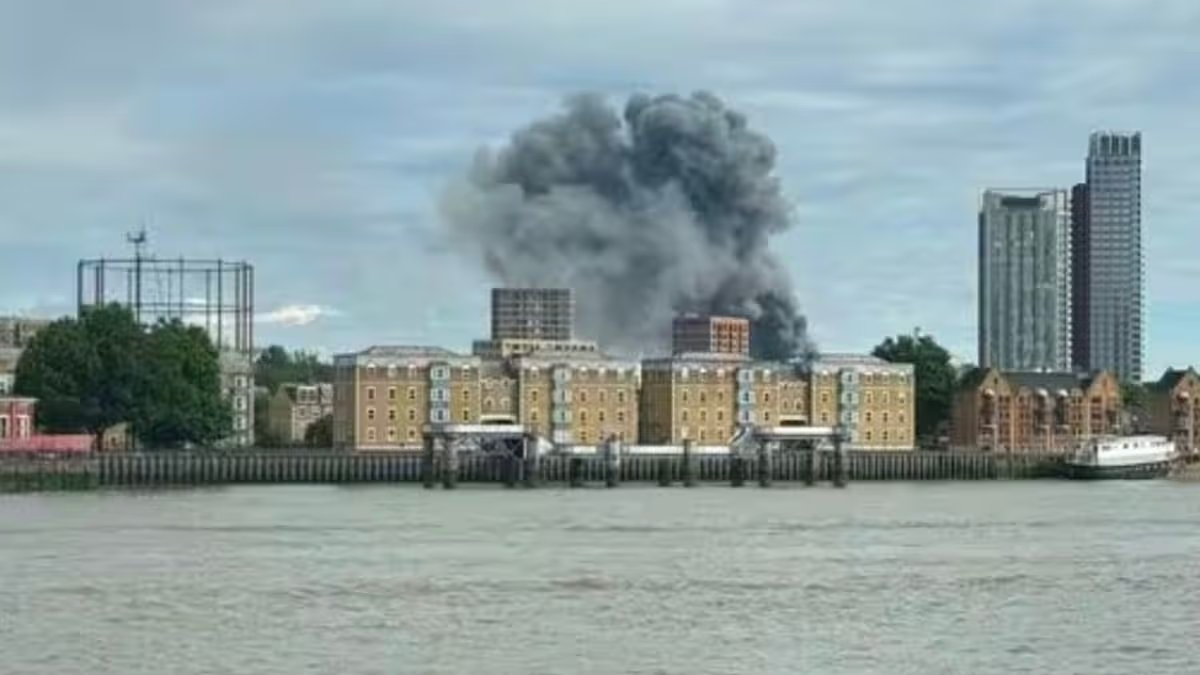
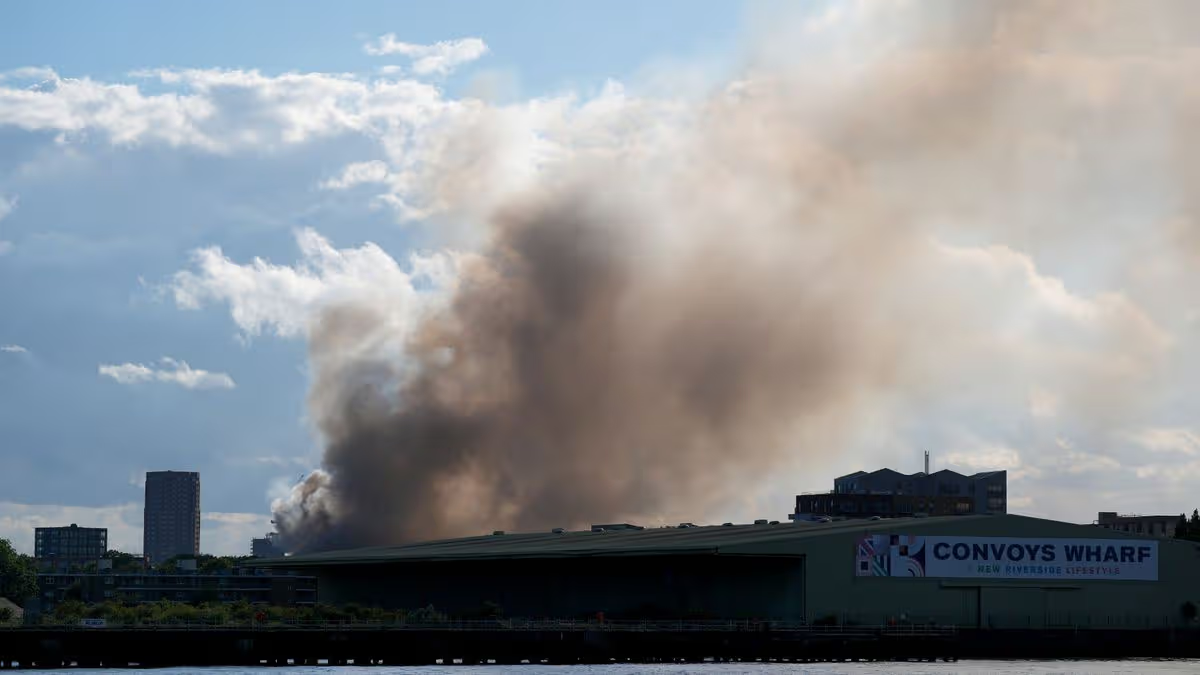



London’s Fire Brigade is currently addressing a significant blaze at a local recycling centre, with Station Commander Wayne Bloomfield providing direct oversight from the scene. In an official update, Commander Bloomfield confirmed that crews are engaged in a demanding operation to control and extinguish a substantial fire involving refuse materials. The incident has mobilized considerable firefighting resources, highlighting the challenges posed by such facilities where large, compacted piles of recyclable waste can fuel intense and stubborn fires. The primary focus for responders is not only on quenching the visible flames but also on penetrating deep-seated hotspots to prevent any potential re-ignition, a process that requires both strategic effort and time.
A major and immediate concern arising from the incident is the production of a significant smoke plume, which has drifted across the surrounding neighbourhood. Authorities are issuing urgent guidance to residents in affected areas, strongly advising them to keep all windows and doors securely closed to minimize indoor air contamination. This precaution is vital, as smoke from burning waste can contain a complex mixture of particulates and potentially harmful chemicals, posing a risk to respiratory health, particularly for vulnerable individuals such as children, the elderly, and those with pre-existing conditions like asthma. Residents are encouraged to stay informed via official channels for updates on air quality and when it might be safe to resume normal ventilation of their homes.
In addition to the smoke, the nature of the fire has led to reports of loose, burning embers being carried by the thermal currents into nearby communities. Commander Bloomfield sought to reassure the public, noting that this is a common occurrence during large-scale fires and is being actively monitored. For residents who may find these embers on their properties, such as in gardens or on rooftops, a simple and effective safety measure is to carefully douse them with water. This proactive step can prevent small, smouldering fragments from developing into secondary fires, safeguarding homes and outbuildings.
However, the Commander issued a critical reminder regarding emergency response: should any ember or spark actually ignite a new fire, however small, residents must not delay in calling 999 immediately. The swift reporting of any new ignition allows the fire service to deploy resources rapidly, preventing a minor incident from escalating. This clear distinction—between managing minor embers personally and seeking professional help for any active flame—is essential for community safety and enables firefighters to maintain focus on the primary incident while being alert to any emerging threats in the vicinity.
The incident underscores the broader challenges and inherent risks associated with waste management and recycling infrastructure. While these facilities are crucial for environmental sustainability, the concentration of combustible materials makes them susceptible to fires that can be complex to fully extinguish and can impact local air quality for extended periods. The London Fire Brigade’s response exemplifies the coordinated effort required to protect both public safety and property in such situations, balancing direct firefighting tactics with essential community guidance and support.
As operations continue, the commitment and hard work of the firefighters on the ground remain paramount. Their efforts, conducted in difficult and smoky conditions, are focused on bringing the situation under full control. The public can assist greatly by heeding the official safety advice—staying indoors to avoid smoke, managing small embers safely, and reporting any genuine fires without hesitation. This collaborative approach between emergency services and a well-informed community is the most effective way to navigate the challenges posed by the incident until the all-clear can be given and normalcy restored to the area.