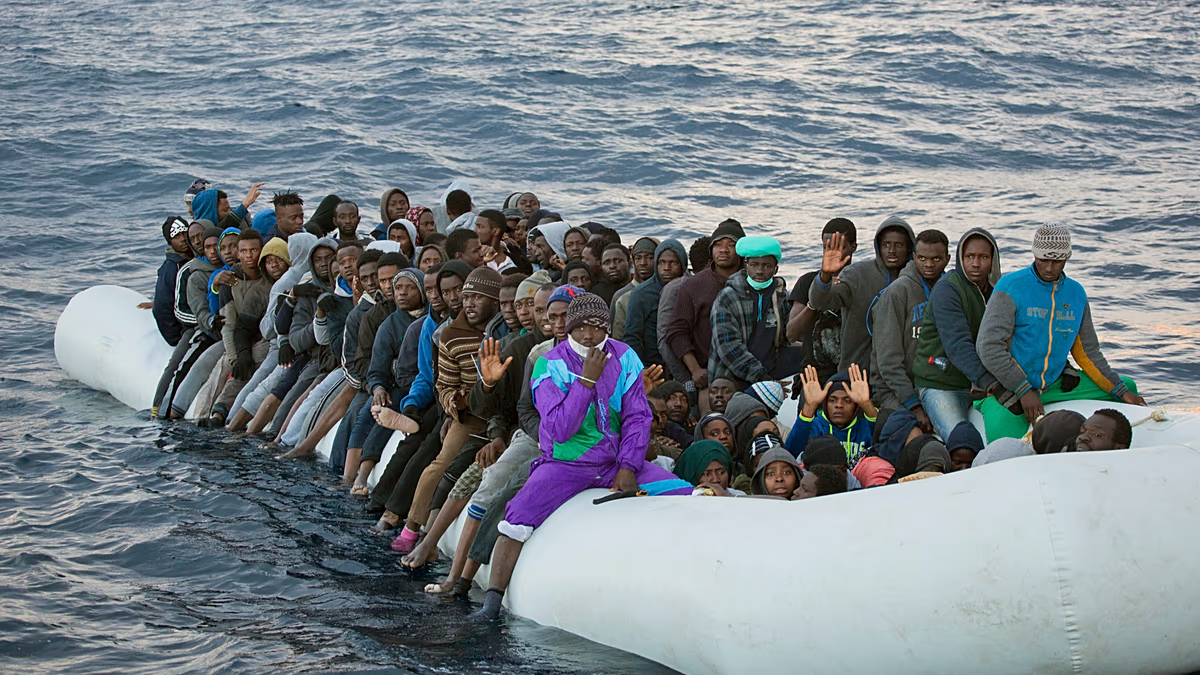

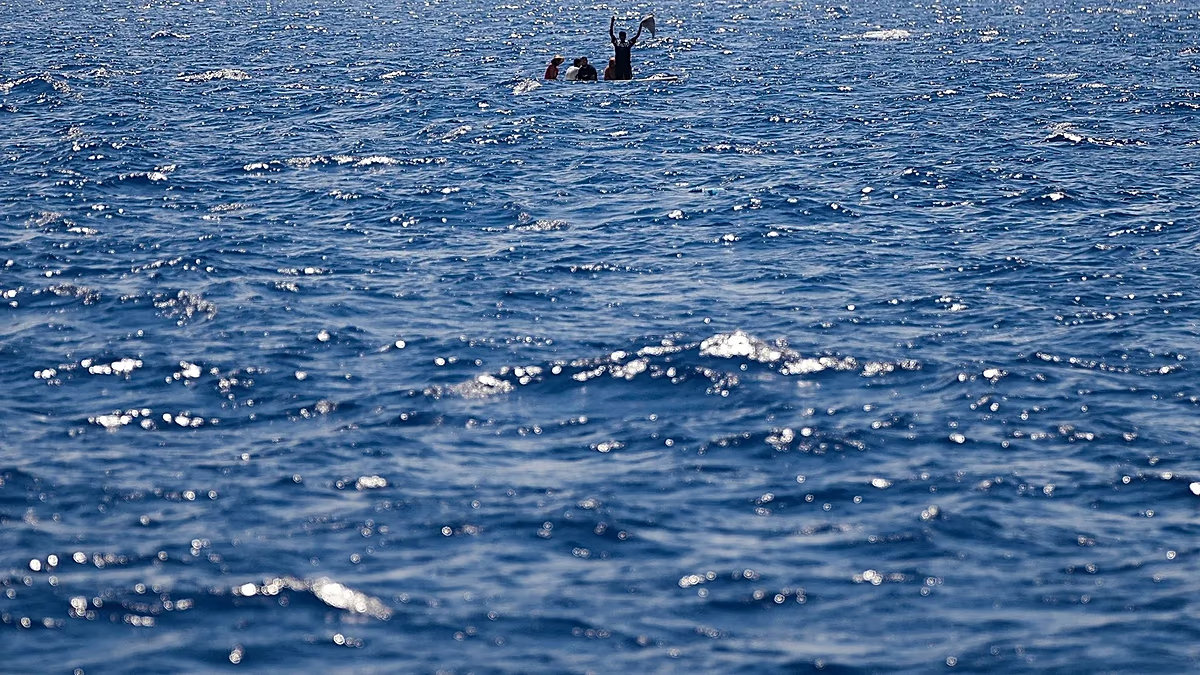


In the twilight hours of a Sunday evening, a desperate journey across the Mediterranean Sea ended in profound tragedy. The Italian coast guard released a somber statement confirming a devastating shipwreck off the coast of Malta. A small, overcrowded vessel, carrying approximately 60 people who had departed from the instability of the Libyan coast, succumbed to the sea. The incident triggered a multinational search and rescue operation after Malta requested assistance, reporting a capsized boat with migrants in the water roughly 45 nautical miles from its shores. This scene, set against the vast, unforgiving expanse of the ocean, marked the beginning of a race against time to save lives and recover the lost.
The response was swift, with an Italian patrol boat rushing to the coordinates to join the effort. Amid the waves, a flicker of hope emerged from an unexpected source: a fishing vessel already in the area had managed to pull approximately 48 survivors from the treacherous waters. These individuals, whose dreams of safety nearly drowned with their boat, were granted a second chance. However, the Italian coast guard’s mission soon took on a grimmer tone. As they scoured the area, their crew recovered not living souls, but ten bodies—a stark and heartbreaking reminder of the human cost of this crossing. The search continued into the night, a diligent quest for any others who might still be clinging to life in the dark sea.
This single catastrophe is not an isolated incident but a recurring nightmare in one of the world’s most dangerous migratory passages. The Central Mediterranean route, the overseas corridor from North Africa to Italy and Malta, is a well-documented graveyard for hopes and lives. According to the United Nations’ International Organisation for Migration (IOM), the ten souls lost in this latest shipwreck contribute to a grim tally for the year. The agency reports that at least 827 people have perished so far in 2026 attempting this very crossing. This number is not a mere statistic; it represents hundreds of individual stories, families shattered, and potential extinguished in the pursuit of a better life.
The scale of the crisis becomes even more chilling when viewed in a broader context. The previous year saw even greater loss of life on this same route, with the IOM recording over 1,330 deaths. This persistent toll highlights a chronic, unresolved humanitarian emergency unfolding at the edges of Europe. Each voyage is a gamble with the highest stakes, undertaken by individuals and families fleeing conflict, persecution, and poverty. They place their trust in unseaworthy vessels operated by smugglers, navigating a route where the line between survival and tragedy is perilously thin. The sea, indifferent to human suffering, claims its victims with brutal regularity.
Behind the official statements from coast guards and the cold metrics from international organizations lies a profound human drama. The 48 survivors recovered by the fishing boat now face an uncertain future, likely processed within a complex and often overwhelmed European asylum system. They carry the trauma of the voyage and the loss of fellow travelers. The ten who died leave behind grieving families who may never have closure, never knowing the exact circumstances of their loved one’s final moments. These journeys are acts of profound courage and desperation, underscoring the extreme conditions people are willing to endure, risking everything for a chance at safety and dignity.
Ultimately, this shipwreck off Malta is a stark summons to conscience. It reiterates that the Central Mediterranean remains a deadly frontier where geopolitical policies, human smuggling networks, and the raw power of nature collide with devastating effect. As search operations eventually wind down, the imperative for comprehensive, humane, and cooperative solutions—focusing on safe pathways, addressing root causes of migration, and strengthening rescue capacities—grows ever more urgent. Until such solutions are realized, the sea will continue to tell these tragic stories, and the world will continue to receive them as news bulletins, often missing the profound human narratives they contain. The ten lives lost are a plea for humanity, echoing across the water.