

Paragraph 1 (Context & Event)
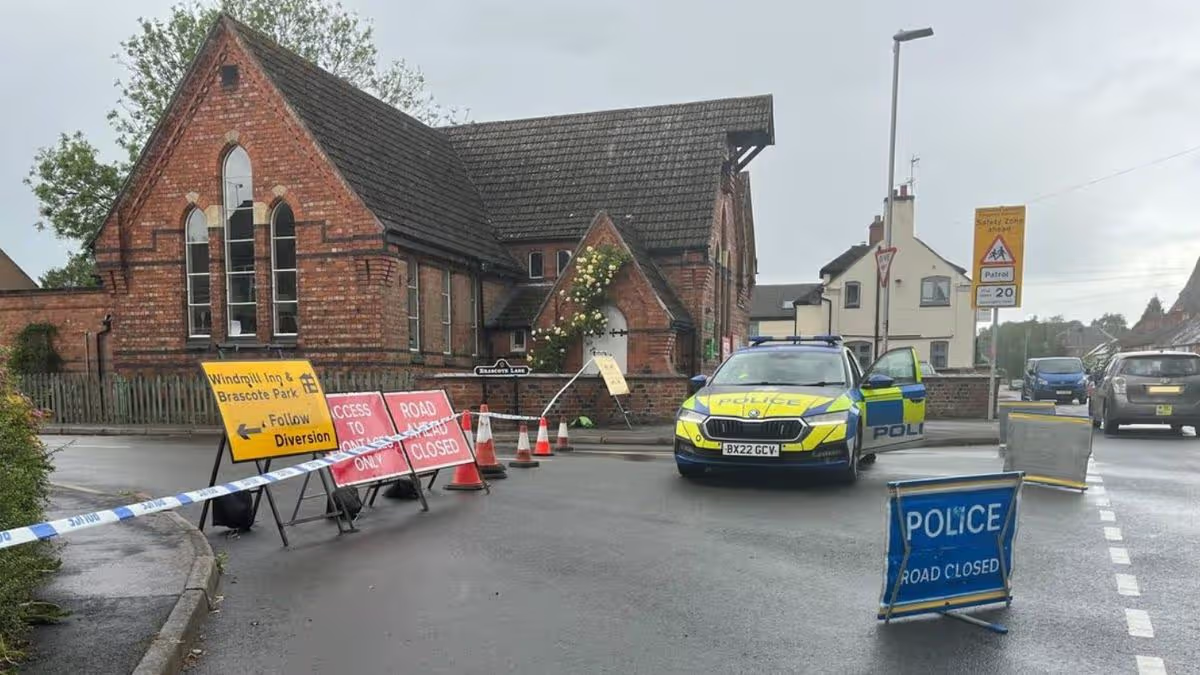
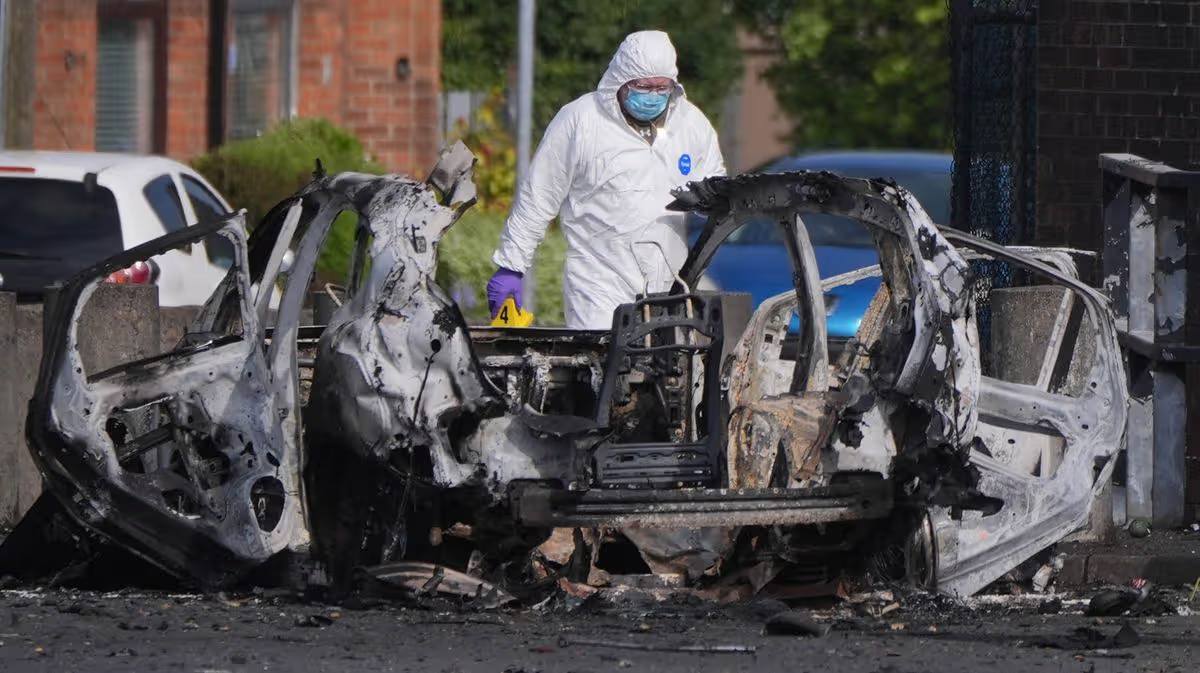
On a quiet Saturday night on the outskirts of Belfast, a moment of profound violence shattered the peace in the Kingsway area of Dunmurry. A car, transformed into an instrument of terror, detonated outside the local police station. The force of the explosion echoed through the community, an immediate and visceral reminder of a troubled history many had hoped was receding into the past. Initial reports swiftly confirmed the worst fears: this was a deliberate and targeted attack, a suspected car bomb planted with lethal intent. The scene, cloaked in darkness, was suddenly illuminated by emergency lights as first responders rushed to secure the area, their urgency underscoring the gravity of what had just occurred.
Paragraph 2 (Immediate Aftermath & Official Response)
In the wake of the blast, the immediate priority became the protection of public safety. Police swiftly enacted a major security operation, establishing wide cordons around the station and evacuating nearby homes to safeguard residents from any potential secondary devices or hazardous materials. Authorities urgently appealed to the public to avoid the entire area, a necessary measure that nonetheless disrupted the rhythm of ordinary life. The stark assessment of the attack’s purpose came from Deirdre Toner, Chair of the Northern Ireland Policing Board, who stated unequivocally that the device was designed “to kill officers and cause maximum harm.” This chilling declaration framed the event not as a symbolic act, but as a direct attempt at mass murder targeting those sworn to serve and protect.
Paragraph 3 (Political & Social Condemnation)
The condemnation from across the political and social spectrum in Northern Ireland was swift and unanimous, reflecting a society united in its revulsion. First Minister Michelle O’Neill of Sinn Féin delivered a powerful rebuke, directly addressing the anonymous perpetrators. She declared that those behind the attack “have no vision, no support, and have nothing to offer our society.” This statement carried significant weight, emphasizing that such violence is utterly rejected by the community and stands in opposition to the democratic will of the people. The message was clear: this act represented a futile attempt to drag Northern Ireland backwards, an effort that finds no fertile ground in a population committed to building a peaceful future.
Paragraph 4 (Historical Echoes & Present Reality)
The nature of the attack—a car bomb outside a police station—inevitably evoked painful memories of The Troubles, a decades-long conflict marked by such tactics. For many, the sound of the explosion brought back a flood of trauma and loss from a past that remains, for some, a raw and living memory. Yet, the overwhelming response also highlighted how much has changed. The unified political condemnation, the robust and immediate security response, and the clear absence of any public support for the violence demonstrate that the foundations of peace, however complex, are now deeply embedded. This attack, rather than unveiling widespread societal division, instead revealed a solid consensus for stability and law.
Paragraph 5 (Human Impact & Community Resilience)
Beyond the political statements and security assessments lies the human impact on the officers who were the intended victims, their families, and the shaken residents of Dunmurry. The psychological toll on the police officers who report for duty at that station, knowing they were deliberately targeted for annihilation, is immense. For evacuated families, the night’s fear and disruption are a profound violation of their sense of security in their own homes. However, in the face of this intimidation, the resilience of the community and the dedication of the police service stand as the most powerful rebuke to the perpetrators. The attack sought to instill fear and create division; the response has been one of collective strength and resolve.
Paragraph 6 (Moving Forward)
As the investigation continues, with forensic experts meticulously scouring the scene for evidence, the people of Northern Ireland are left to process this jarring event. While the authorities work to identify and bring those responsible to justice, the broader societal task is to deny this violence any legitimacy or political meaning. The attack in Dunmurry is a stark reminder that the shadow of past conflicts can still occasionally loom, but it is countered by the daylight reality of a community that has overwhelmingly chosen peace. The path forward, as affirmed by leaders and citizens alike, remains one built on dialogue, democratic institutions, and a shared rejection of those who would ever seek to return society to darkness.