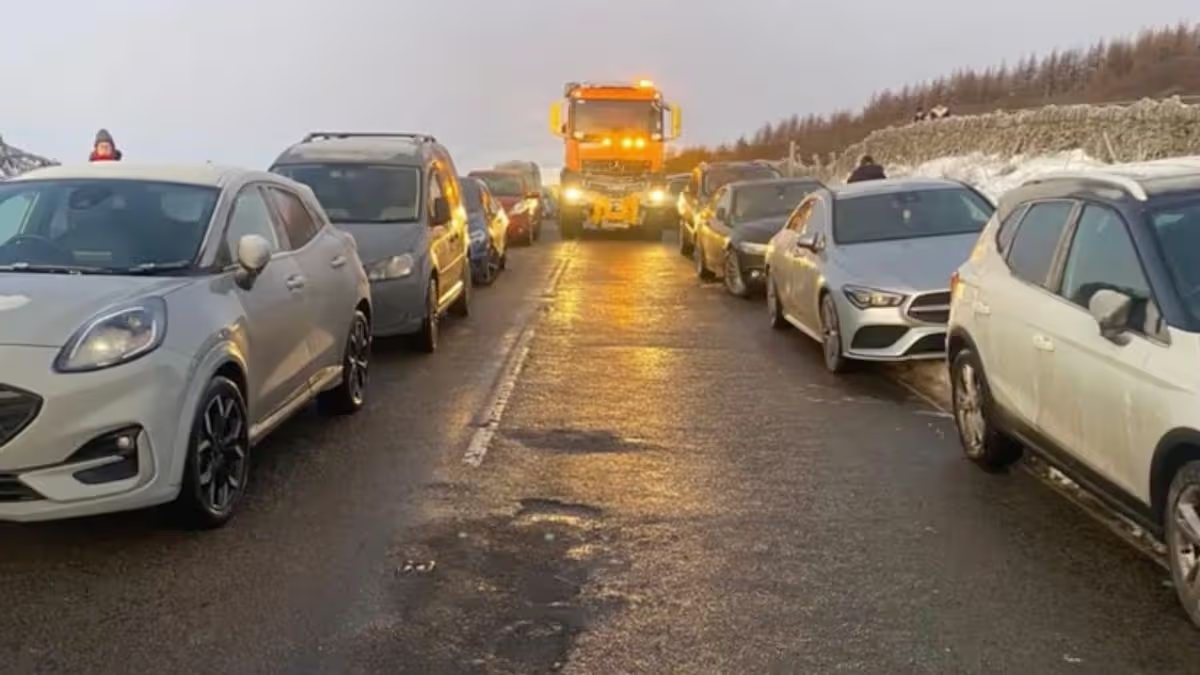




In a bid to end parking chaos plaguing picturesque hiking areas, the Peak District National Park has introduced a stringent new measure: London-style double red lines. These bright red markings, a first for such rural landscapes, have been painted along key roads in popular villages like Castleton and around iconic landmarks like Mam Tor. The move by Derbyshire County Council aims to tackle the severe disruption caused by inconsiderate parking, which had reached crisis levels. Previously, on busy days, particularly weekends and holidays, visitors’ badly parked cars would clog narrow roads, double-park, and block verges. This not only frustrated local residents, making their own streets impassable, but also created genuine safety hazards by hindering emergency services from reaching incidents promptly. The red lines represent a significant escalation in enforcement, banning all stopping or parking at any time, for any vehicle, including taxis and Blue Badge holders.
This decision follows growing pressure from communities overwhelmed by the sheer volume of visitors. The Peak District, as Britain’s inaugural national park, draws an estimated 13 to 14 million people annually. While tourism is vital, the infrastructure, especially parking, has struggled to cope. Locals reported nightmares with cars abandoned haphazardly, blocking driveways and turning lanes into makeshift parking lots. The council acknowledges the need to balance the economic benefits of visitors with the quality of life for residents and public safety. Councillor Charlotte Hill explained the measures were developed after careful listening, aiming to ensure residents can reliably access emergency services and to reduce congestion. The hope is that these lines will promote more “sustainable” tourism, encouraging visitors to use proper parking facilities and consider alternative transport, rather than overwhelming village roads.
The key difference between these new red lines and traditional double yellow lines lies in their enforcement power. Double yellows typically require a traffic warden to observe a vehicle parked or waiting for a period, often five minutes. Double red lines, however, allow for an instant fine if a vehicle is found parked on them. This stricter, more immediate penalty is designed to deter the impulsive, obstructive parking that was causing chaos. Motorists caught parking on these red lines, or on the adjoining verges and pavements, will face a £70 penalty, reduced to £35 if paid within 14 days. This system is common in major cities like London but is now being deployed in a rural national park setting, signaling the severity of the problem Derbyshire faces.
While the initiative has been broadly welcomed by locals desperate for relief, many express skepticism about its effectiveness unless actively enforced. Comments on social media highlight a recurring concern: painted lines alone are not a solution without consistent monitoring and penalty issuance. One resident pointed out that existing double yellow and white lines are often ignored, questioning who will now police the red ones. Others raised the fundamental issue of capacity, arguing that the core problem is a lack of parking space. With only one small car park in some affected areas, visitors are essentially forced to park on roads. This suggests the red lines are a necessary deterrent but not a complete solution; increasing official parking capacity or improving public transport links to these beauty spots must also be part of the long-term strategy.
The council’s action ahead of the busy bank holiday weekend indicates a proactive attempt to prevent the usual seasonal gridlock. By making stopping completely illegal on these routes, they aim to keep roads clear for moving traffic, including vital service vehicles. The hope is that this will make life easier for both residents and the majority of respectful visitors who come to enjoy the area’s natural beauty. The council thanked local parish councils for their collaboration, recognizing the challenge of satisfying residents, businesses, and tourists alike. It’s a delicate balance between preserving access to a national treasure and protecting the communities that live within it.
Ultimately, the introduction of double red lines in the Peak District marks a dramatic shift in managing rural tourism pressure. It reflects a growing national issue where the popularity of outdoor spaces clashes with limited infrastructure. The move is a clear statement that the safety and well-being of local communities and the functionality of emergency services cannot be compromised by irresponsible parking. Whether this strong visual and legal deterrent succeeds will depend on two factors: robust enforcement to give the lines real meaning, and complementary investments in parking and transport to offer visitors viable alternatives. Only then can the Peak District sustainably welcome the millions who seek its solace without sacrificing the peace of those who call it home.