


Paragraph 1: A Milestone Moment, But Keep It Private
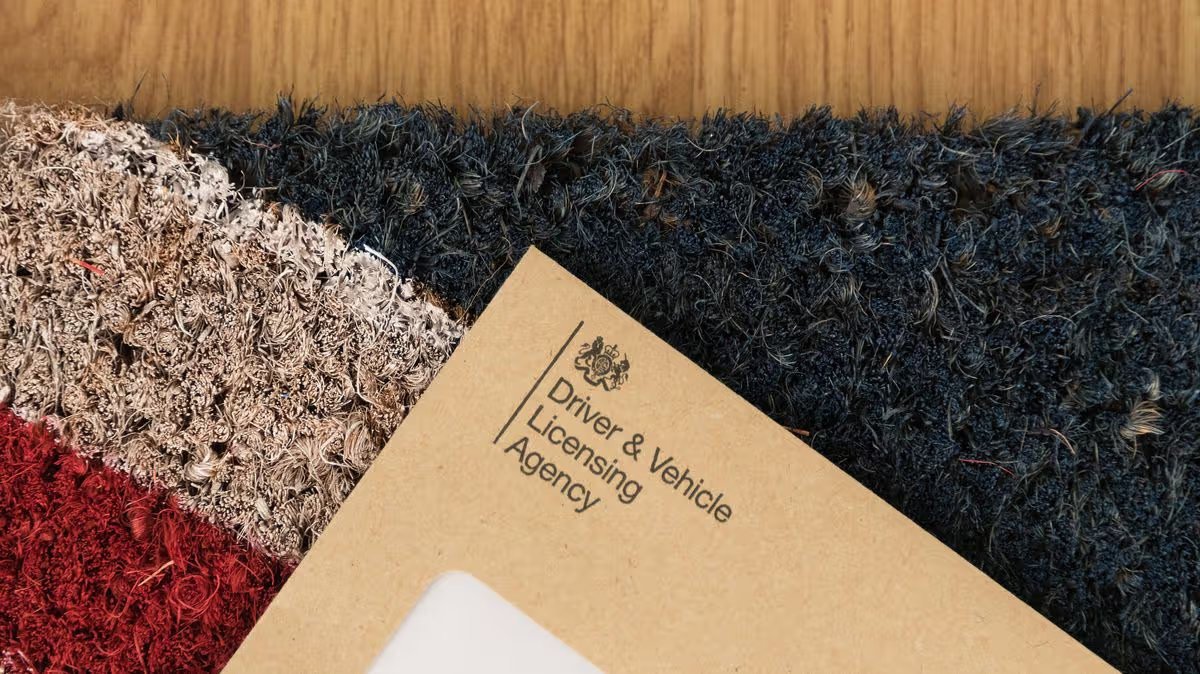
Achieving your driving licence is a proud and memorable moment, a tangible symbol of newfound freedom and independence. Similarly, the arrival of your vehicle’s V5C registration document, or log book, marks a significant step in car ownership. In our modern, share-everything culture, there’s a natural temptation to post a photo of these important documents online to celebrate. However, the Driver and Vehicle Licensing Agency (DVLA) is issuing a crucial and urgent warning: resist that impulse. What might seem like an innocent boast could open the door to serious criminal activity, putting your finances, your identity, and even your vehicle at risk.
Paragraph 2: The Hidden Dangers in Your Documents
The danger lies in the wealth of personal information these documents contain. Your driving licence and V5C log book are not just simple certificates; they are packed with key identifying details. This includes your full name, address, date of birth, and your driver number, alongside precise vehicle information like the registration plate, Vehicle Identification Number (VIN), make, model, and colour. In the wrong hands, this data is a goldmine for fraudsters. They can use it to commit identity theft, applying for loans or credit cards in your name. More alarmingly, they can use these details to “clone” your vehicle—creating a duplicate identity for a stolen car that matches yours, making the stolen vehicle appear legitimate.
Paragraph 3: The Real-World Consequences for You
The fallout from this theft is not just theoretical; it translates into direct, stressful, and costly problems for the victim. You could suddenly start receiving fines for parking charges, speeding tickets, or congestion fees from areas you’ve never visited, all accrued by criminals using your cloned vehicle details. Unraveling this bureaucratic nightmare requires significant time and effort to prove your innocence to various authorities. Furthermore, if your personal information is used for broader identity fraud, you could face damaged credit ratings and lengthy battles with financial institutions. The DVLA’s message is clear: a single, unthinking photo share can cascade into a prolonged personal and financial ordeal.
Paragraph 4: Vigilance Beyond Social Media: Official Channels and Phishing Scams
Protecting yourself extends far beyond social media caution. The DVLA emphasizes that the only official website for its services is GOV.UK. Many other websites—which may appear at the top of search results—are third-party agents that charge hefty fees for services you can access more cheaply or even for free directly through the official government portal. Additionally, be extremely wary of emails or text messages claiming to be from the DVLA. Sophisticated scammers often send messages urging you to confirm personal or bank details, or offering a tempting vehicle tax refund. The DVLA stresses that it will never ask for your bank or payment details via email or text. Genuine tax refunds are processed automatically, never via a link in an unsolicited message.
Paragraph 5: Your Action Plan: What to Do and What Not to Do
To safeguard yourself, adopt these simple but effective habits. First, treat your driving licence and V5C with the same confidentiality as your passport or bank statement—never share images of them online. When buying a used car, always check that the seller’s address on the V5C matches the location of the sale; if it doesn’t, ask for a clear explanation. Secondly, only interact with the DVLA via GOV.UK. If you receive a suspicious email or text claiming to be from the DVLA, do not click on any links or attachments. Instead, report the message directly to the National Cyber Security Centre (NCSC) and delete it immediately. Finally, proactively update the DVLA through official channels if you change your name, address, or vehicle details.
Paragraph 6: Become Part of the Solution: Reporting Fraud
Combating this type of fraud is a collective effort. If you encounter a suspected scam—whether it’s a fake website, a phishing message, or any other suspicious activity impersonating the DVLA—you can play a vital role. By reporting these incidents, you help the authorities track criminal patterns and shut down fraudulent operations, protecting others from falling victim. Stay informed through official DVLA communications on GOV.UK, and remember that a healthy dose of skepticism is your best defense. By keeping your documents private, using only official services, and reporting suspicious activity, you can enjoy the roads with greater peace of mind and security.