
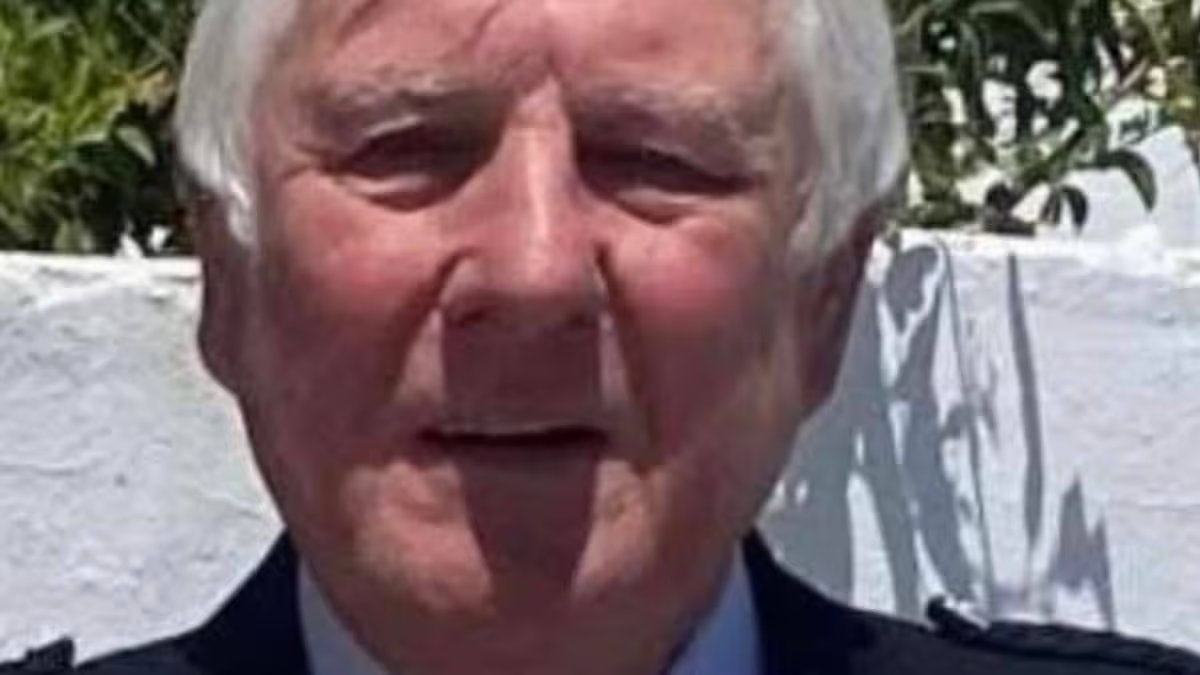



In the quiet hours after midnight on April 19, 2024, a routine job turned into a nightmare for 26-year-old tree surgeon Joshua Pocknell. Working along the busy A3102 near Royal Wootton Bassett, Josh was performing hedge maintenance that had been scheduled for nighttime to minimize traffic disruption, as the road was serving as a diversion for the M4. As he maneuvered a mobile lighting tower along the roadside, the unthinkable happened: the tower made contact with an overhead power line. In an instant, a devastating electric current surged through his body. Captured on CCTV, the footage shows the horrifying moment Josh was electrocuted, a moment he would later describe with the chilling sensation that he “couldn’t let go” of the metal tower that had become a conduit for lethal energy.
The physical and psychological trauma of that shock is difficult to fathom. Josh recounts his whole body locking up, overwhelmed by intense heat and cramping, with the terrifying sound of electricity buzzing in his head. In that moment, convinced he was dying, he lost consciousness. The electrical current inflicted catastrophic injuries, burning holes through his arm and hip, all the way to the bone. Rushed to the hospital, he began a grueling five-week inpatient stay that was only the start of a long and painful journey. His injuries were so complex that they required the attention of five or six different surgeons. Even now, Josh lives with considerable pain, strange bodily sensations, debilitating nerve pain, and relentless itching—a constant physical reminder of those few seconds that shattered his life.
The incident has irrevocably altered the course of Josh’s life. In a heartfelt statement, he expressed how this tragedy “has torn the life from beneath me,” forcing him to confront the bleak reality that he may never return to the arboriculture work he once loved. His story is a stark testament to how a single workplace oversight can extend far beyond physical wounds, eroding a person’s livelihood, identity, and sense of security. The emotional and financial toll on him and his loved ones is immense, painting a sobering picture of the human cost when safety protocols fail.
An investigation by the Health and Safety Executive (HSE) revealed that this harrowing event was entirely preventable. The employer, Upton Specialised Tree Services Ltd, had obtained a permit from Wiltshire Council for the nighttime work but had critically failed to plan for or assess the dangers posed by the overhead power lines. Specifically, the company did not account for the new risks introduced by operating the mobile lighting tower in the dark. There were no suitable control measures in place: no barriers or designated safety zones to maintain a safe distance from the lines, and no specific instruction or training provided to workers on how to safely use the lighting tower near such hazards.
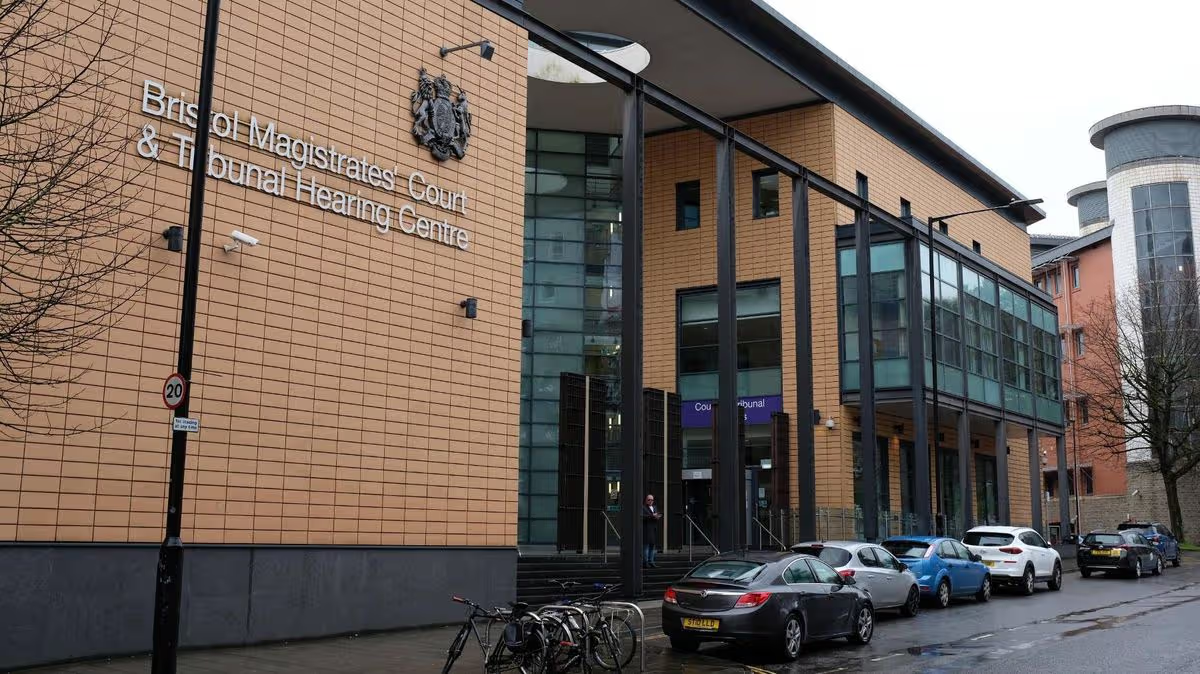
Following the investigation, Upton Specialised Tree Services Ltd was held accountable for this profound failure in duty of care. The company, based in Wimborne, Dorset, pleaded guilty to a breach of the Electricity at Work Regulations. At Bristol Magistrates’ Court, the firm was fined £60,000 and ordered to pay £6,237 in costs. While the financial penalty is significant, it pales in comparison to the lifelong price being paid by Josh Pocknell. The legal outcome underscores a fundamental principle in workplace safety: compliance is not a bureaucratic box-ticking exercise, but a vital framework for preserving human life and well-being.
HSE inspector Tom Preston emphasized the severe and ever-present risks of working near overhead power lines, stating that such work “should only be carried out where it can be done safely.” This necessitates a thorough risk assessment, the implementation of physical controls like barriers, and comprehensive worker training. Inspector Preston’s concluding words serve as a solemn warning to all industries: “HSE will take action against those who fail to take the steps necessary to protect people at work.” Josh’s story, therefore, stands as both a cautionary tale and a call to action. It is a powerful reminder that behind every safety regulation is the simple, urgent goal of ensuring that every worker returns home unharmed, and that no family should have to endure the aftermath of a preventable tragedy.