




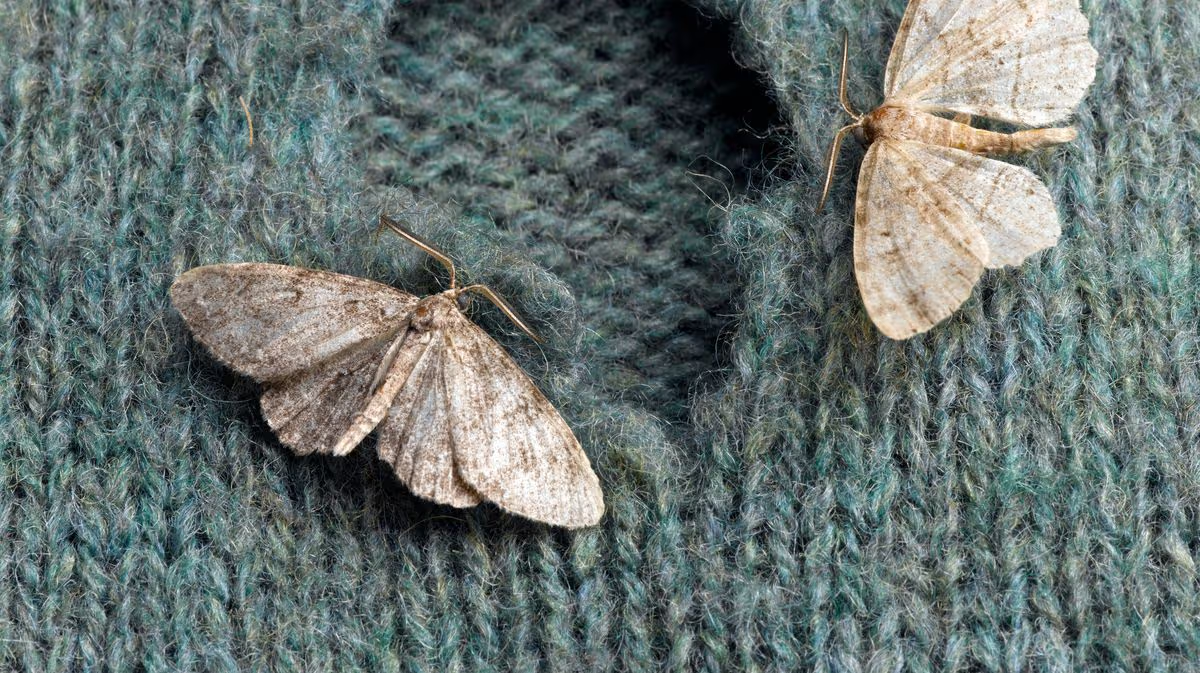
The arrival of spring in the UK brings with it a familiar yet unwelcome seasonal challenge: the emergence of clothes moths. For many, the discovery of tiny, ragged holes in a favourite sweater or cherished blanket is a source of immense frustration. These pests, active in their peak season of April and May, are not merely a nuisance but a genuine threat to our belongings. During this period, female moths seek out ideal locations to lay their eggs—often finding them in the dark, undisturbed corners of our wardrobes and drawers. With each moth capable of laying hundreds of eggs, a small problem can rapidly escalate into a full-scale infestation. The damage is more than just aesthetic; it represents the loss of valuable clothing and linens, turning the simple act of opening a wardrobe into an exercise in apprehension. Understanding this lifecycle is the first step in moving from reaction to proactive, effective prevention.
Fortunately, combating these fabric-destroying insects does not require harsh chemicals or expensive professional treatments. One of the most effective and pleasantly aromatic solutions can be found in the garden or the pantry: dried herbs. Experts highlight the power of natural botanicals like lavender, rosemary, thyme, cloves, and bay leaves to act as gentle yet potent moth deterrents. The process is wonderfully simple. By placing these dried herbs into small breathable cloth bags—often called sachets—and tucking them among your clothes, you create a protective barrier. The principle is twofold: the strong, pleasant scent of these herbs helps to mask the odours that attract moths in the first place, such as those from human sweat, food stains, or natural fibres like wool and silk. Furthermore, moths are inherently repelled by these specific fragrances, making your wardrobe a far less appealing nursery for their next generation.
The practicality and affordability of this method are significant advantages. A single bag of dried lavender, for instance, can be purchased for a modest sum and used to create multiple sachets, bringing the cost of each repellent to mere pence. These sachets can be hung from hangers, placed in drawers, or even tucked into linen cupboards and cushion covers for comprehensive protection. For those who prefer a different application, creating a gentle spray from essential oils diluted with water and lightly misting shelves and drawers can achieve a similar effect. This approach not only safeguards your possessions but also imbues your storage spaces with a fresh, clean fragrance, transforming a defensive chore into a moment of simple home care. It is a testament to the idea that effective pest control can be both natural and sensory, adding a touch of herbal freshness to your daily routine.
However, herbal sachets, while powerful, are most effective as part of a broader strategy. The cornerstone of long-term moth prevention is impeccable cleanliness. Female moths are irresistibly drawn to environments where their larvae will have immediate access to food sources—namely, fabrics soiled with oils, sweat, or food particles. Therefore, a thorough, periodic deep-clean of your storage areas is non-negotiable. This involves more than a surface wipe; it requires a dedicated effort to empty wardrobes and drawers completely. Using a vacuum cleaner with an attachment, carefully clean every interior surface, paying special attention to corners, crevices, and the undersides of shelves where dust and fibres accumulate. This physical removal disrupts any existing eggs or larvae and eliminates the microscopic debris that could sustain them.
The cleaning process should extend beyond the obvious. To be truly thorough, large furniture pieces like wardrobes and chests of drawers should be moved so the floor beneath and behind them can be vacuumed. These dark, forgotten spaces are prime real estate for moths. After vacuuming, wiping down surfaces with a mild cleaning solution can remove any lingering residues. For added peace of mind, consider washing or dry-cleaning susceptible natural fibre garments before returning them to storage, as this removes the invisible attractants. This regime of cleanliness does more than deter moths; it creates a generally more organised and pleasant environment for your belongings. It shifts the dynamic from a frantic battle against an active infestation to a calm, maintained state of order that naturally resists pest encroachment.
In essence, protecting your home from clothes moths is a harmonious blend of natural repellency and diligent hygiene. By employing the gentle power of herb-filled sachets, you create a fragrant shield that makes your wardrobe fundamentally uninviting. Pairing this with a commitment to regular, deep cleaning removes the very foundations of a potential infestation. This dual approach is not only highly effective but also aligns with a more mindful and natural way of caring for our homes and possessions. It empowers us to enjoy the changing seasons without the looming worry of damaged fabrics, ensuring that what we find in our wardrobes remains intact and ready to wear. The solution, therefore, lies not in fear of the pests, but in the simple, proactive habits that keep our living spaces fresh, clean, and secure.