



As the United Kingdom braces for a historic and potentially dangerous heatwave, with forecasts predicting temperatures could soar to a record 36°C, a significant public health alert has been issued. This isn’t merely an advisory for enjoying the sun responsibly; it is a critical warning aimed at safeguarding the most vulnerable members of our communities. The intense heat, rising from already sweltering conditions, brings with it severe health risks that extend far beyond simple discomfort. While the sunshine may be inviting, the reality is that such extreme weather can trigger dehydration, heatstroke, and dangerous overheating. These conditions are particularly perilous for individuals with pre-existing heart or breathing problems, as the heat can drastically worsen their symptoms. In essence, this weather event represents a genuine public health challenge, demanding careful attention and proactive measures from everyone.
The guidance specifically highlights that while a heatwave can affect anybody, certain groups are at a dramatically higher risk. Foremost among these are older people, especially those over the age of 75. Statistical and medical evidence indicates that older individuals, and particularly women, are likely to feel the effects of the extreme weather more acutely due to physiological changes that can impair their ability to regulate body temperature. The risk is further compounded for those living alone or residing in care homes, where they may be less able to manage their environment independently. Additionally, people managing multiple medications or living with conditions like Alzheimer’s disease face heightened vulnerability. For these individuals, the body’s natural cooling mechanisms can be compromised, and their capacity to recognize or respond to the dangers of heat may be reduced, making them dependent on the vigilance of carers, family, and neighbours.
For personal safety during this period, the NHS has issued clear, actionable advice centered on avoiding exposure during the peak heat of the day. The strongest recommendation is to stay indoors and out of the heat whenever possible. The sun’s intensity is anticipated to be greatest between 11am and 3pm, making this window the most hazardous. If going outside is unavoidable, it is crucial to stay in the shade, wear a wide-brimmed hat, light, loose-fitting clothing, and high-factor sunscreen. Any strenuous exercise or activity that generates additional body heat should be avoided. This advice shifts the focus from enjoying the weather to managing a risk, framing simple acts like walking or gardening as activities that need to be carefully reconsidered during these exceptional hours.
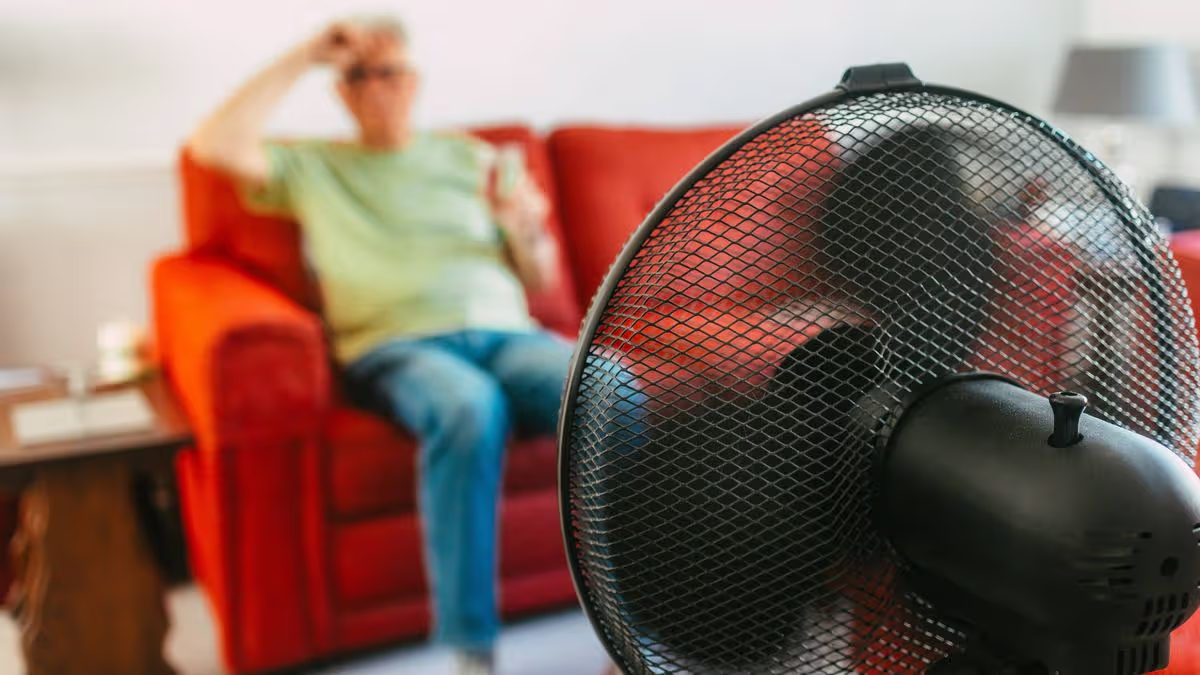
Creating a cool indoor environment is equally vital. The strategy here involves a thoughtful approach to ventilation: keeping windows closed during the day to block out the hot air, and opening them at night when outdoor temperatures have dropped to allow cooler air to circulate. Electric fans can provide relief, but it is important to note their effectiveness diminishes when room temperatures exceed 35°C. Monitoring the temperature in living and sleeping areas, especially where vulnerable people reside, becomes a key task. The goal is to transform homes and care rooms into sanctuaries from the heat, using simple, accessible methods to maintain a safer, more stable climate indoors.
Beyond environmental controls, personal care is paramount. It is essential to stay hydrated by regularly drinking cool fluids, even if you do not feel thirsty, and to eat cold meals like salads and fruits which require less digestion. Applying cool water to the skin or taking cool showers can also help lower body temperature. Most critically, we must be vigilant in monitoring our own health and that of others. Keeping a close eye on anyone who feels unwell, especially if they develop a high temperature during the hot weather, is a lifesaving practice. Such symptoms could be the early signs of heat exhaustion or heatstroke, which are medical emergencies. Heatstroke, in particular, requires immediate medical attention, as it can lead to confusion, loss of consciousness, and organ failure.
The underlying message of this warning is sobering: during severe heatwaves, significantly more people than usual fall seriously ill or die. This statistic underscores that these advisories are not about minor inconvenience, but about preventing real harm and loss. Every precaution—from staying indoors, to cooling our homes, to watching over our neighbours—is a collective step towards mitigating that risk. As this scorching weather persists, our community’s wellbeing depends on a shared commitment to care, awareness, and practical action, ensuring we all navigate this unprecedented heat with safety and compassion.