



Paragraph 1: The Calm Shattered
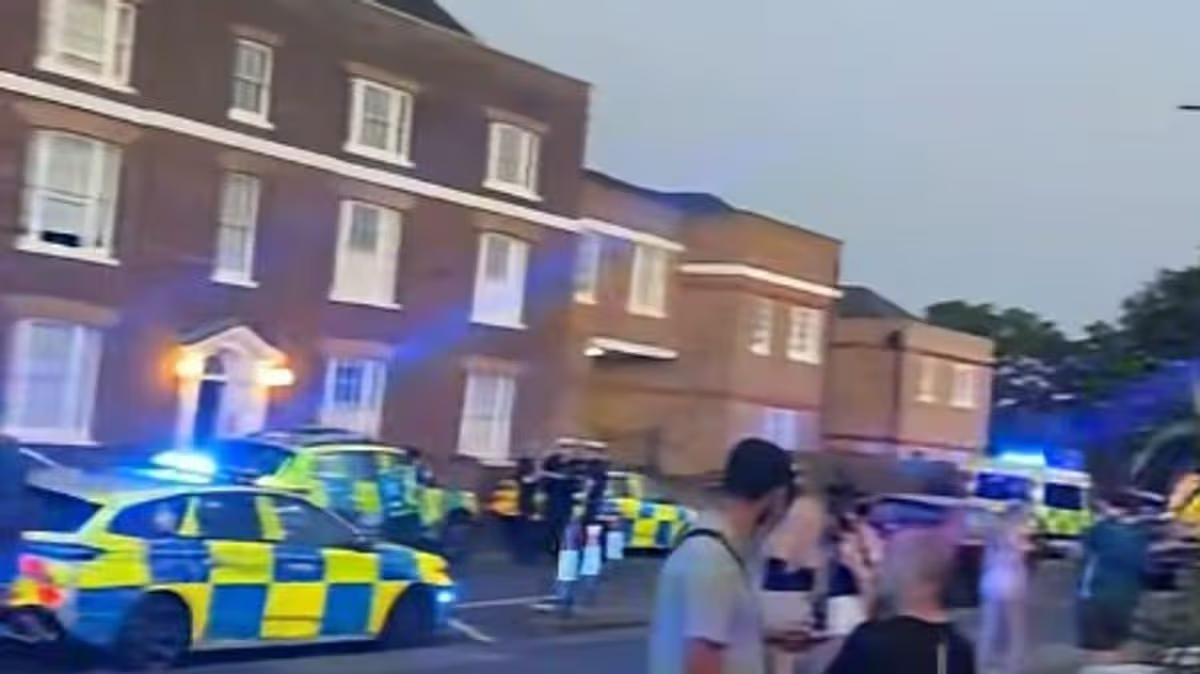
On a seemingly ordinary Monday evening, May 25th, the routine calm of Burford Street in Hertfordshire was abruptly shattered. Shortly after 8:40 PM, the familiar sounds of the neighborhood were replaced by the urgent sirens and flashing lights of emergency vehicles. The response was swift and significant, drawing not only local police officers but also deploying the specialized capabilities of the Bedfordshire, Cambridgeshire, and Hertfordshire Armed Response Unit. This immediate escalation in the level of response signaled from the outset that this was no minor incident, but a serious situation requiring both immediate intervention and highly trained specialists to secure the scene.
Paragraph 2: A Scene of Intensive Response
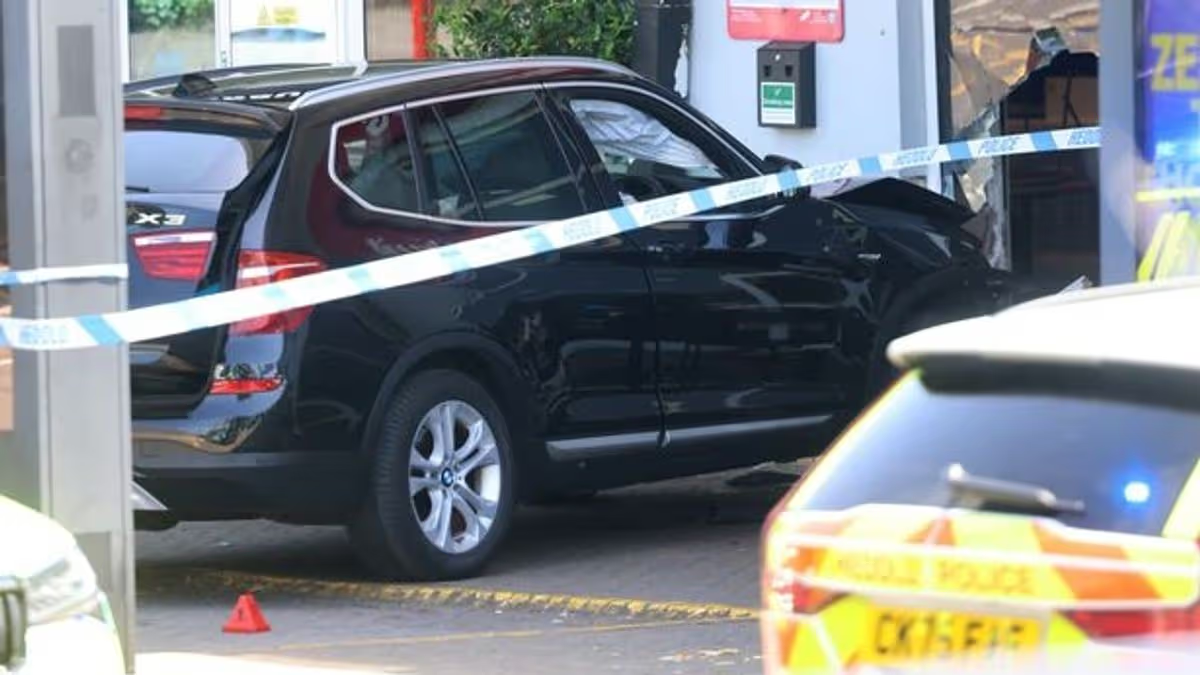
The scale of the operation quickly became visible to residents. Footage shared by locals on social media painted a stark picture of the emergency mobilization: at least nine police vehicles, ambulances, and support units lined the street, their presence transforming the quiet road into a cordoned-off hub of urgent activity. The disruption was such that neighbors emerged from their homes, drawn by the commotion and the concentration of blue lights, seeking to understand what had transpired in their community. This public curiosity underscored the jarring nature of the event, an otherwise peaceful evening suddenly becoming a focal point for intensive police and medical attention.
Paragraph 3: The Serious Nature of the Incident
Behind the visible apparatus of the emergency response lay a grave and violent incident. Authorities confirmed that an altercation had broken out at the address, resulting in significant harm to two individuals. The injuries sustained were assessed at the level of Grievous Bodily Harm (GBH), a legal classification indicating severe, life-altering, or potentially life-threatening wounds. This detail moved the event beyond a simple disturbance or minor assault, framing it as a serious violent crime with profound consequences for the victims. The deployment of armed officers also suggested concerns about potential ongoing threats or the severity of the weapons involved, prioritizing public and officer safety in managing the aftermath.
Paragraph 4: The Critical Race for Medical Care
Parallel to the police efforts to secure and investigate the scene, a vital medical mission was underway. The East of England Ambulance Service crews, integral partners in the emergency response, provided urgent on-site care to the two injured persons. Their expertise was crucial in stabilizing the victims’ conditions before undertaking the critical next step: transporting them to hospital for immediate and intensive treatment. This rapid transition from scene to specialized medical facility highlights the seamless coordination between emergency services, where every minute saved in transit can impact recovery outcomes, emphasizing the human toll at the heart of the incident.
Paragraph 5: Community Impact and the Path Forward
While the injured were rushed toward medical aid, the impact on the local community lingered. The sight of such a concentrated police presence, the uncertainty about what occurred, and the knowledge that a violent crime had touched their doorstep left residents with a sense of disruption and concern. The incident on Burford Street serves as a sobering reminder that serious violence can erupt unexpectedly, even in seemingly tranquil settings. For the police, the path forward shifts from immediate response to meticulous investigation—piecing together the events that led to the altercation, identifying those responsible, and providing reassurance to a now-alerted community.
Paragraph 6: Reflection on Coordinated Emergency Duty
This event encapsulates the layered and coordinated nature of modern emergency response. It began with a call for help, triggering a multi-force mobilization of both local and specialist armed police to manage a dangerous, unfolding situation. It involved ambulance paramedics racing to provide lifesaving care and transport. It extended into the digital realm, with community reactions and shared footage illustrating public awareness. And it continues in the hospitals where the victims fight for recovery, and in the investigative work to pursue justice. Ultimately, the summary of vehicles and injuries tells a story of sudden violence, but the humanized narrative is one of a disrupted community, of individuals facing grave harm, and of the dedicated services that answer the call to protect, heal, and restore order.