


The gentle warmth of an early summer bank holiday weekend, a welcome reprieve from the more typical Scottish climate, brought not only sunshine but a sobering reminder of nature’s dual character. Edinburgh, often cloaked in mist or brushed by a cool breeze, recorded a maximum temperature of 25°C according to the Met Office—a genuine heatwave in this northern context. This was the backdrop to a city in relaxed holiday mode, where the promise of prolonged sunshine lifted spirits and drew people outdoors. Yet, this same benevolent sun soon revealed its more demanding aspect, testing human endurance and preparedness in a region less accustomed to such sustained warmth.
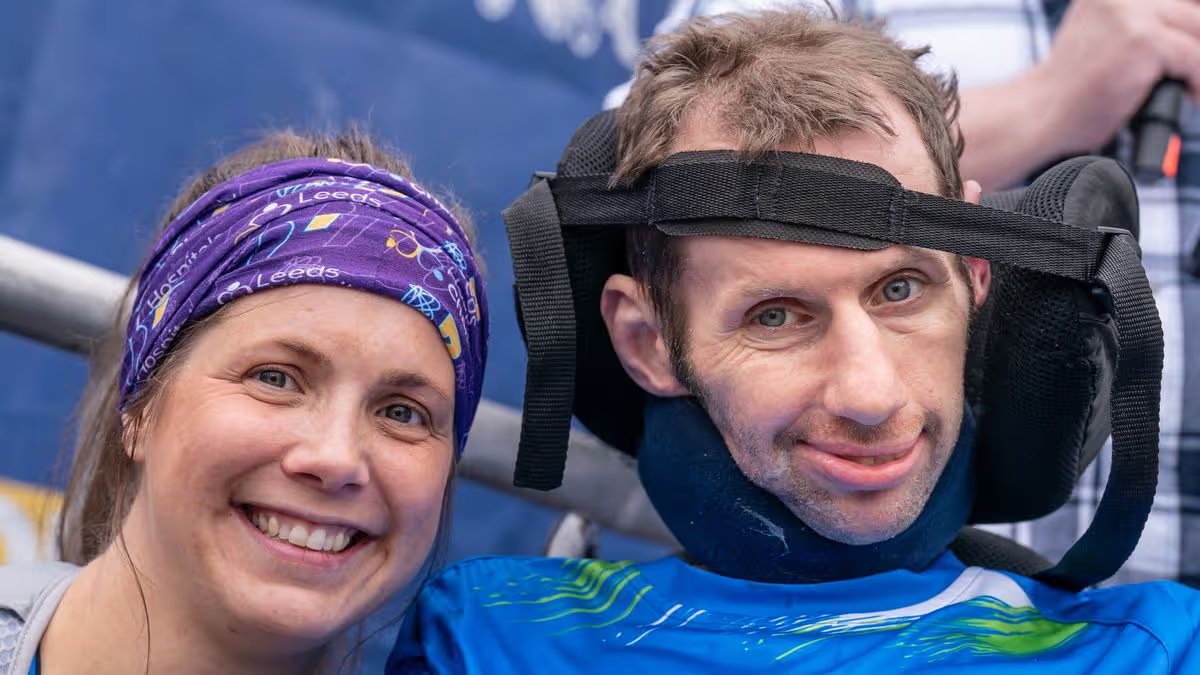
This testing ground was vividly illustrated during the Edinburgh Marathon over the weekend. The event, a monumental challenge of human will and physical fortitude normally contested against the elements of wind or chill, this year faced a novel adversary: the heat. As hundreds of runners pushed their limits along the course, the unaccustomed intensity of the sun became a silent, additional competitor. The result was a visible toll on participants, with several runners succumbing to heat exhaustion—a condition where the body, overwhelmed by thermoregulation, begins to fail, leading to dizziness, nausea, and profound weakness. It transformed scenes of athletic triumph into moments of human vulnerability, as the very pursuit of personal achievement was momentarily halted by the body’s fundamental needs.
The scale of this impact was confirmed by the Scottish Ambulance Service, which reported that 16 people were taken to hospital on Sunday for medical attention related to the event. This number, stark in its simplicity, speaks to a collective experience of unexpected hardship. Each individual represents a story—a runner who trained for months, perhaps in cooler conditions, anticipating the familiar strains of distance, but not this particular silent siege of the heat. Their journeys shifted abruptly from the personal narrative of crossing a finish line to the urgent necessity of receiving clinical care. It underscores how even in a developed nation with robust public services, a sudden climatic shift can impose significant strain on both individuals and the emergency infrastructure that supports communal wellbeing.
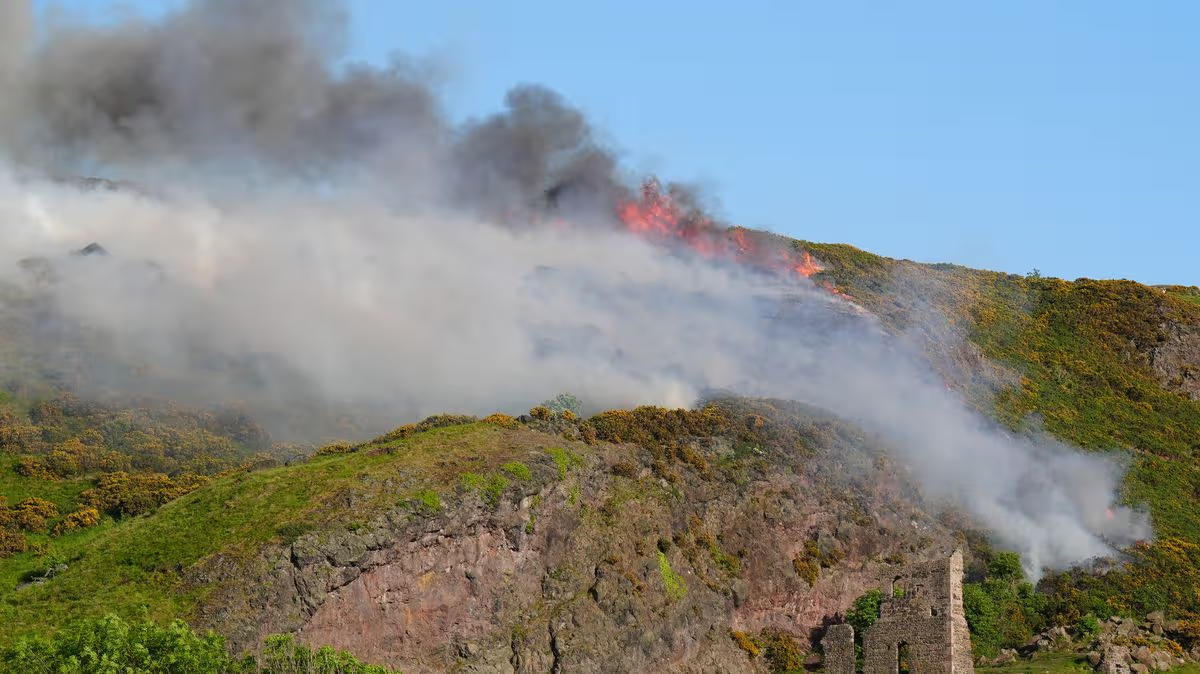
Parallel to this human drama unfolding on the marathon route, the natural landscape itself issued a more violent and direct response to the dry, warm conditions. The iconic Arthur’s Seat, the ancient volcanic hill that presides over Edinburgh’s skyline and offers citizens a beloved green sanctuary, became the site of a separate thermal event. A wildfire broke out on its slopes, requiring a significant emergency response. Fire crews battled the blaze, a vivid and disruptive contrast to the serene holiday imagery one might associate with a sunny weekend. This fire, though separate in location from the marathon, was born from the same meteorological conditions—a dry landscape under a hot sun, perhaps exacerbated by human activity or accidental ignition. It served as a potent symbol: the heatwave was not merely a personal discomfort or an athletic impediment; it had the power to physically alter and threaten the environment itself.
Together, these incidents—the marathon medical emergencies and the hill fire—form a cohesive narrative of a community navigating an unseasonal climatic event. They highlight the multifaceted vulnerability to even a modest heatwave in a region where infrastructure, lifestyle, and even the natural ecology are calibrated for a cooler, damper norm. The human body, conditioned for different exertions, requires adaptation and heightened awareness. The landscape, lush from regular rainfall, can quickly turn parched and combustible under a few days of unrelenting sun. It is a reminder that the concept of “extreme” weather is relative; what feels like a pleasant summer day in one geography can, in another, push systems and individuals toward their operational limits.
Ultimately, this bank holiday weekend in Edinburgh transcended the simple story of a sunny break. It became a case study in gentle adaptation and quiet resilience. The runners, the ambulance crews, the firefighters, and the citizens witnessing both events experienced a summer day that carried within it layers of complexity—from joy and leisure to exertion, risk, and response. It was a weekend where the sun did not merely shine; it asked questions of preparedness, it tested limits, and it reminded everyone that weather is never just a backdrop. It is an active participant in the human story, capable of shifting from a welcome friend to a formidable challenger in the space of a few degrees on the thermometer.