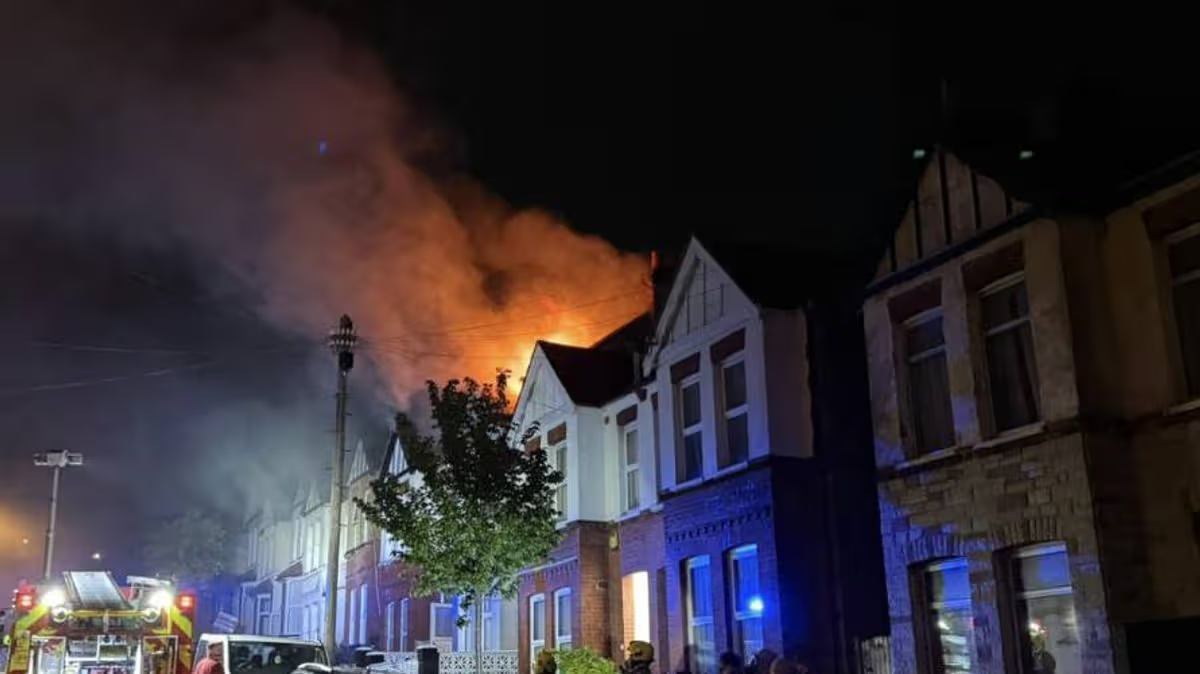




The scene unfolding late into the evening was one of intense and coordinated effort, as fire crews battled a significant blaze under the warm night sky. At the helm of the response was Station Commander Alec McNally, who provided a calm yet urgent assessment from the frontline. He confirmed that his teams were fully engaged, their focus absolute on the singular objective of subduing the flames. “Crews are working hard to bring the fire under control as quickly and safely as possible,” McNally stated, his words underscoring the dual priorities of speed and safety that guide every such emergency operation. The phrase “working hard” hardly captures the physical toll and sheer determination required, as firefighters in heavy gear confronted both the heat of the fire and the unseasonable warmth of the night, their movements a testament to rigorous training and profound dedication.
A primary and immediate concern, Commander McNally emphasized, was the dangerous byproduct of the combustion: a vast, billowing plume of smoke. He noted that the blaze was “producing a significant amount of smoke,” a simple description for a complex hazard. This was not merely a visual marker of the fire’s intensity; it represented a tangible threat to public health, carrying potentially toxic particulates and reducing air quality in the surrounding neighborhoods. The commander’s warning transformed the incident from a distant spectacle into a proximate issue requiring direct citizen action, making clear that the danger extended well beyond the immediate crackle of the flames.
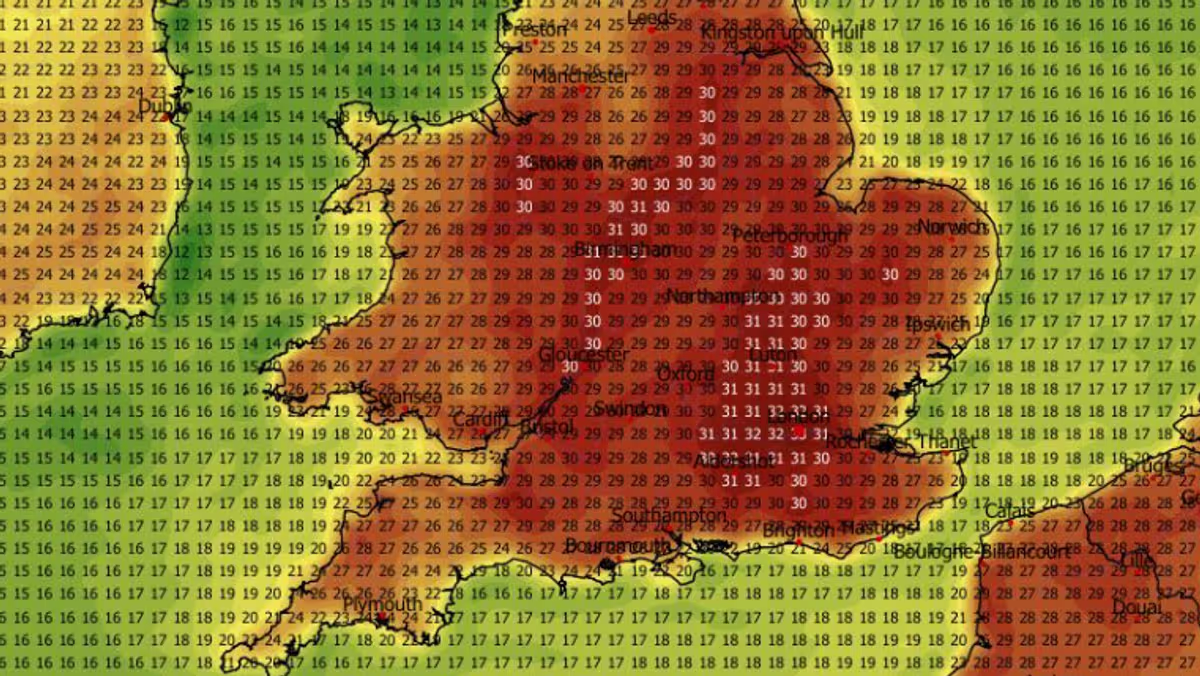
With the well-being of the community firmly in mind, Commander McNally issued a direct and heartfelt appeal to those living near the unfolding emergency. He framed it with an understanding of the discomfort the night brought, acknowledging, “We appreciate it is a warm night.” This touch of empathy was crucial—it recognized that his request asked people to forgo the natural relief of a cool breeze on a stuffy evening. Yet, the necessity was paramount. His urgent plea was for residents to “keep their windows and doors closed” as a vital protective measure. This was a fundamental piece of community-driven safety, a way for every individual to shield themselves and their families from the insidious creep of the smoke, creating a safer environment inside their homes while the professionals managed the threat outside.
The rationale behind this request was deeply rooted in a philosophy of shared responsibility during a crisis. While the fire crews marshaled their resources—deploying hoses, establishing water supplies, and executing containment strategies—the public had a parallel role to play. By simply securing their homes, residents could drastically reduce the risk of smoke inhalation, preventing respiratory issues and allowing emergency services to operate without the added burden of medical calls related to the smoke. It was a clear example of how a cohesive community response, where official instructions are heeded, amplifies the effectiveness of the entire emergency effort.
Commander McNally’s concluding focus remained on the ongoing labor of his team, noting they were working “to bring the incident under control.” This terminology, “the incident,” reflected the operational view of the emergency—a multifaceted event involving fire, hazard management, and public communication. His steady presence and clear messaging served as a vital anchor for both his crews and the concerned public. In moments of such uncertainty, a authoritative yet compassionate voice from the scene provides immeasurable reassurance, confirming that capable hands are managing the situation and that there is a clear path forward through the chaos.
Ultimately, this snapshot of a community facing a sudden threat highlights the interconnected layers of modern emergency response. It is not solely about the bravery of firefighters confronting the flames, though that is its dramatic heart. It is equally about clear communication, public cooperation, and the shared understanding that safety is a collective endeavor. Station Commander Alec McNally, in his brief statements, effectively bridged the gap between the dramatic efforts at the fire’s edge and the quiet, vigilant actions required in nearby homes, uniting the community in a common purpose: to weather the crisis safely together and support those who work tirelessly to protect them.