
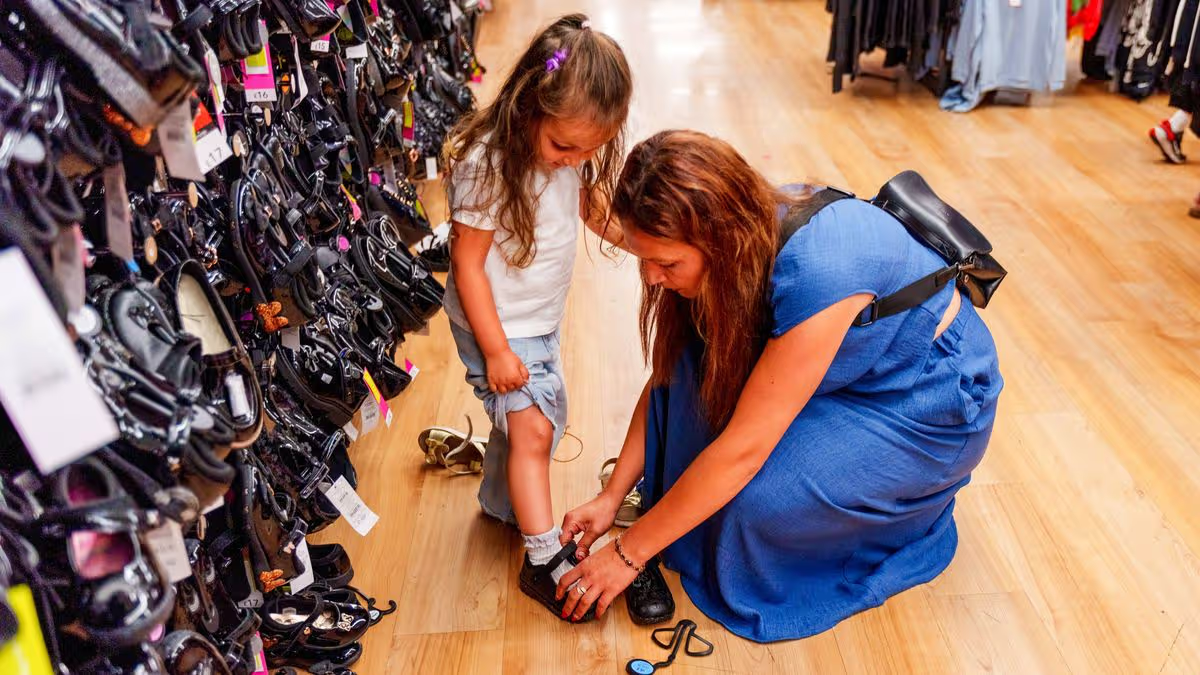


In a move that underscores the continued fragility of the British high street, popular footwear retailer Wynsors World of Shoes is embarking on a significant and painful restructuring process, placing approximately 100 jobs at risk. This difficult news emerges just six months after the chain was acquired by the investment firm Modella Capital, casting a shadow over what might have been a new chapter for the business. The plan centres on a Company Voluntary Arrangement (CVA), a mechanism often used by struggling retailers to renegotiate terms with landlords and other creditors in a last-ditch effort to avoid complete collapse. At the heart of the proposal are negotiations for rent reductions at 36 of the chain’s 47 stores, with a number of these locations, alongside one of its two distribution centres, likely to close their doors permanently following talks with property owners.
The human cost of this financial restructuring is stark, with around one hundred employees now facing the grim prospect of redundancy. Chief Executive Adam Foster expressed profound regret, acknowledging the severe impact on the dedicated staff who have been caught in this upheaval. In statements, he outlined a perfect storm of crises that forced the company’s hand, citing an “extremely difficult trading environment” compounded by a “significant cyber-attack” that disrupted core operations. These cumulative blows, he explained, made the restructuring unavoidable. Foster emphasized that the focus now is on preserving what remains of the business, working constructively with creditors to ensure Wynsors can continue to serve its communities and provide stability for the colleagues who will remain with the company.
For many families, particularly across its northern England heartlands, Wynsors is far more than just another shop; it is a trusted destination, especially renowned for its reliable and affordable children’s school shoes collection. The potential closure of multiple stores represents not only a loss of local jobs but also the erosion of a convenient and familiar service for countless parents. The sight of a shuttered Wynsors in a community shopping precinct would be a tangible symbol of the pressures squeezing mid-market retailers from all sides, from rising operational costs and shifting consumer habits to the devastating impact of sophisticated cybercrime on physical businesses.
The situation also brings the strategy of its new owner, Modella Capital, into sharp focus. The investment firm has developed a track record of acquiring troubled British high street brands, having taken over Claire’s Accessories and The Original Factory Shop last year. Its approach, however, has drawn scrutiny. For instance, after acquiring WH Smith’s high street business, it rebranded the stores to TG Jones, with reports indicating a subsequent nosedive in sales. This pattern raises questions about the long-term vision for Wynsors, even as Modella simultaneously expands its portfolio with other acquisitions, such as the Flying Tiger chain confirmed just last month.
Amidst this corporate restructuring, the proposed CVA represents a critical crossroads. If approved by creditors, it will provide Wynsors with a lifeline—a chance to shed unsustainable leases, reduce its cost base, and attempt to emerge as a leaner, more viable operation. The hope is that by making these difficult cuts now, the core of the business can be saved, protecting a portion of the workforce and maintaining a presence for customers. Yet, this process is inherently uncertain and fraught with anxiety for all involved, from employees awaiting their fate to landlords weighing reduced rents against empty properties.
Ultimately, the story of Wynsors World of Shoes is a microcosm of the modern retail landscape, where legacy businesses must navigate relentless economic headwinds and digital threats. The coming months will reveal whether this restructuring can secure a sustainable future for the beloved shoe chain or if it will become another cautionary tale of high street turmoil. The outcome will depend not just on financial negotiations, but on the resilience of the brand’s connection to its customers and the ability of its leadership to steer it toward calmer waters after a period of profound storm.