




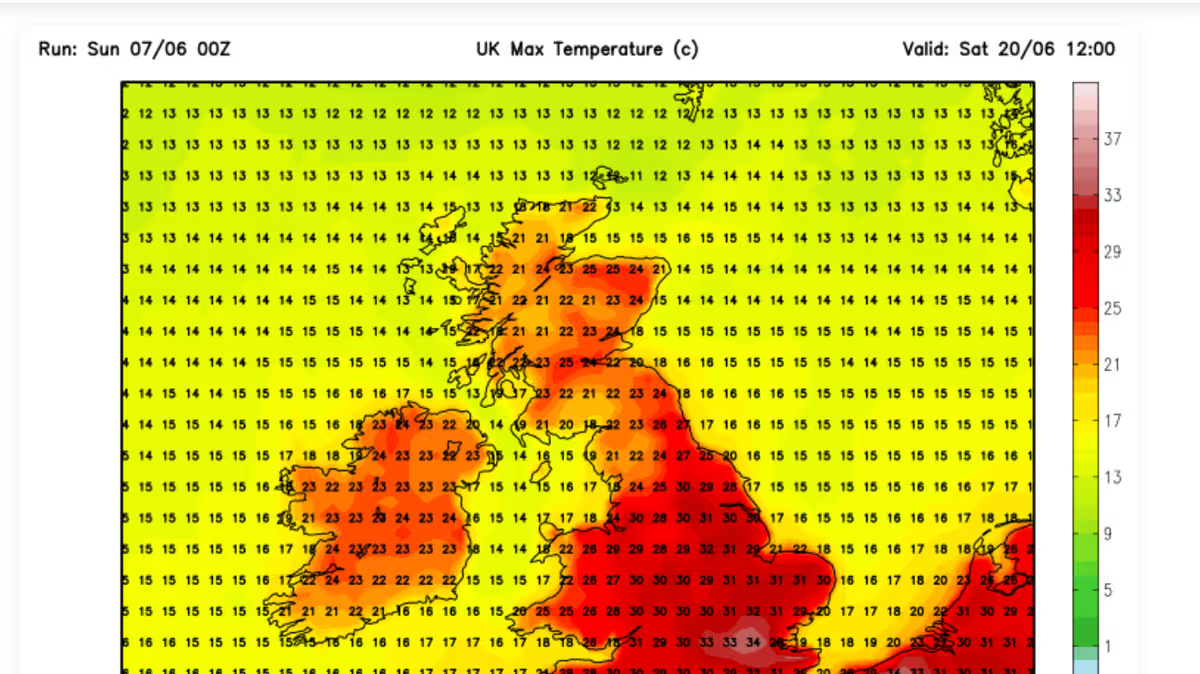
As the heart of summer approaches, Britain is poised for a dramatic and potentially record-breaking surge in heat. New weather maps and forecasts indicate that on Thursday, June 20th, a significant heatwave will engulf much of England, heralding a stunning return to scorching conditions. Current projections suggest that at least seventeen separate areas across the country are likely to see the mercury soar past the 30C mark, with some regions potentially baking in a sweltering 34C. This imminent blast of heat, visualised in deep crimson on forecast charts, is set to transform the typical mild June weather into something more akin to a Mediterranean summer, focusing its fiercest intensity on southern and eastern England.
The geographical spread of this heat event is both extensive and intense. According to the latest data from Netweather, a vast stretch of southern England is expected to bear the brunt, with temperatures forecast to rage between 31C and 34C. The Midlands will not escape the furnace, with major urban centres like Birmingham, Leicester, and Nottingham, along with Lincolnshire, anticipated to swelter under highs of 30C to 31C. This widespread heat promises to make June 20th one of the hottest days of the year so far. Further north, while the peak intensity will diminish, the warmth will still be pronounced and largely pleasant, with Yorkshire and neighbouring counties in northern England likely to experience temperatures in the high 20s, possibly touching 30C.
In contrast, the Celtic nations are forecast to experience a more subdued version of this summer peak. Wales is expected to see broadly warm conditions, with temperatures ranging from a comfortable 25C to a warm 28C. Scotland and Northern Ireland, meanwhile, are predicted to remain significantly cooler, with highs largely confined to the low-to-mid 20s—a reminder of the UK’s often stark regional weather divides. This gradient from south to north illustrates how the impending heatwave, while nationwide in its influence, will deliver its most severe impacts to the most populous regions of England, placing considerable focus on health advisories and infrastructure resilience in those areas.
This specific hot spell is not an isolated event but fits within a broader pattern of a hotter-than-average summer, as officially forecast by leading meteorological bodies. The Met Office, in its seasonal outlook issued at the start of June, stated there is an increased likelihood of warmer-than-average conditions persisting throughout June, July, and August. Crucially, the agency highlighted “an increased chance of heatwaves and heat-related impacts” during this period. This warning is echoed by other experts; forecasters at MeteoGroup, which supplies data for BBC Weather, also anticipate multiple intense hot spells, noting the potential for “a few notable high temperature spikes” and “significant bursts” of heat across both the UK and mainland Europe in the coming months.
The increasing frequency and intensity of such summer heat are inextricably linked to the overarching trend of climate change. The Met Office has clarified that warmer UK summers are becoming progressively more likely, with hotter-than-average conditions now roughly twice as probable as they were during the 1991-2020 reference period. This statistical shift underscores that what might once have been considered an exceptional heatwave is now part of a disturbing new normal. The upcoming hot weather therefore serves as both a welcome respite for sun-seekers and a potent reminder of the long-term climatic changes altering the character of British summers, elevating the importance of heat-health planning and public awareness.
In summary, the UK stands on the cusp of a significant early-summer heat event, with June 20th poised to deliver widespread temperatures above 30C, particularly across central, southern, and eastern England. This episode is embedded within a seasonal forecast predicting a summer punctuated by heatwaves, a pattern increasingly amplified by global climate trends. As Britons prepare to enjoy the sunshine, the escalating potential for extreme heat also demands heightened attention to its associated risks, marking this not just as a spell of fine weather, but as a signpost of our changing climate.