


Paragraph 1: The Longevity Paradox
Spain stands at the forefront of a profound global shift: population ageing. With an average life expectancy of 84 years, the nation exemplifies the triumph of modern medicine and public health. Yet, this achievement reveals a complex and sobering reality. For nearly half of the years after age 65, many individuals live under the shadow of chronic disease, disability, or a loss of independence. We have successfully extended the quantity of life, but now face the critical challenge of enhancing its quality in those later decades. This gap between lifespan and “healthspan” represents one of the most significant demographic and healthcare challenges of our time, prompting a fundamental question: how can we ensure that our longer lives are also healthier, more vibrant, and more autonomous?
Paragraph 2: Navigating the Noise with Science
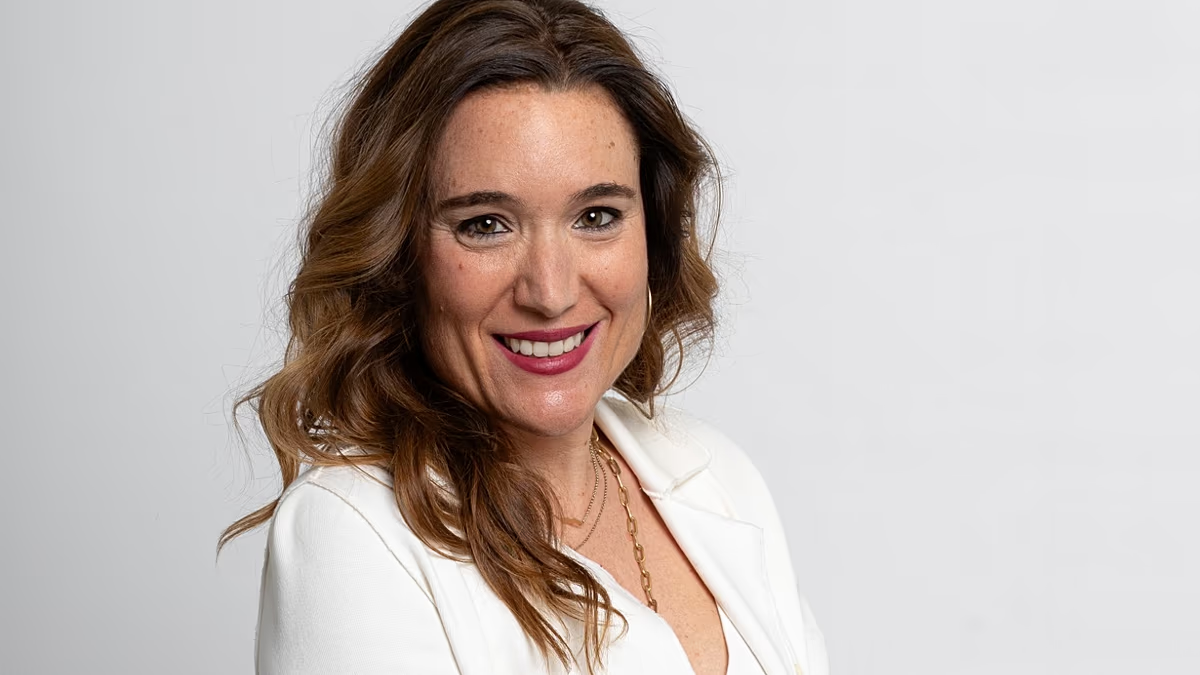
In response to this challenge, a new field focused on “healthy longevity” is emerging, aiming to bridge cutting-edge science with everyday well-being. However, as pharmacist and longevity expert Cristina Spa notes, the popular conversation around longevity has become flooded with misinformation. Social media buzzes with extreme “biohacking” trends and unproven therapies, creating a risky landscape for those seeking to improve their health. Spa argues that the antidote to this noise is a rigorous return to scientific foundations. Initiatives like her C+Longevity ecosystem aim to empower healthcare professionals—doctors, nutritionists, psychologists—with accredited training and robust research, ensuring that longevity science is guided by evidence, not anecdote. This shift is gaining academic legitimacy, with universities establishing dedicated research groups, paving the way for what may become a formal medical specialty dedicated to healthy ageing.
Paragraph 3: The Unlikely Champions of Prevention
Interestingly, the strongest advocates for this new preventive approach are often not young, tech-savvy doctors, but rather seasoned veterans of the healthcare system. After decades in practice, these clinicians have witnessed firsthand the limitations of a system designed primarily to react to sickness rather than to proactively preserve health. They understand that the current model often leaves no time for the deep, personalized conversations about lifestyle, nutrition, and prevention that could fundamentally alter a patient’s health trajectory. Furthermore, the appeal of longevity medicine is proving to be wonderfully cross-disciplinary, attracting not just aestheticians but immunologists, endocrinologists, gynaecologists, and even paediatricians. This reflects a core truth: building a foundation for a long, healthy life is a lifelong project that begins at birth, not a last-minute intervention in old age.
Paragraph 4: From Data Deluge to Personalized Wisdom
We live in an era of unprecedented self-tracking, with wearables monitoring everything from heart rhythms to sleep cycles. Yet, as Spa cautions, this flood of data does not automatically translate into better health. In fact, without expert guidance, constant biometric feedback can lead to anxiety and “data paralysis.” The true power of this technology lies not in the collection of information, but in its personalized interpretation. A skilled professional can contextualize data points against the backdrop of an individual’s unique life—their stress levels, work environment, and personal history—transforming raw numbers into a actionable, personalized health plan. Placing the burden of interpreting complex biomarkers on individuals is, Spa warns, as unwise as self-diagnosing via internet searches; the essential element is the expert guide who can translate information into meaningful, sustainable action.
Paragraph 5: Democratizing the Future of Health
Currently, advanced preventive and longevity medicine is often perceived as a luxury, accessible only to a few. This highlights a structural flaw in our predominantly reactive healthcare models, where interaction typically begins only after a symptom appears. For a society with a growing older population, this is unsustainable. Spa believes that widespread change will require pressure from an informed public demanding a shift toward preventive care. As societal awareness grows and more professionals are trained in these principles, the cost of such interventions will decrease, moving them from the realm of exclusive clinics into mainstream practice. This democratization is essential for public health. Just as society mobilizes resources for research into specific diseases like cancer, we must now champion investment in the underlying science of ageing itself, which is the root cause of most chronic conditions.
Paragraph 6: The Ultimate Goal: Vitality in Every Chapter
The ultimate mission of the healthy longevity movement is profound yet simple: to compress the period of decline and expand the years of vitality. It is about adding life to years, not just years to life. By deepening our scientific understanding of the biological mechanisms of ageing, we can develop strategies to delay or prevent the onset of age-related diseases, addressing them at their root rather than simply managing their symptoms. The goal is a future where the final chapters of life are characterized not by frailty and dependence, but by energy, engagement, and continued independence. Achieving this vision requires a collective effort—bridging science and clinical practice, empowering professionals and the public, and reshaping our health systems from the ground up to prioritize prevention, ensuring that a long life is truly a gift enjoyed in full.