




Paragraph 1: A New Frontier in Addiction Treatment
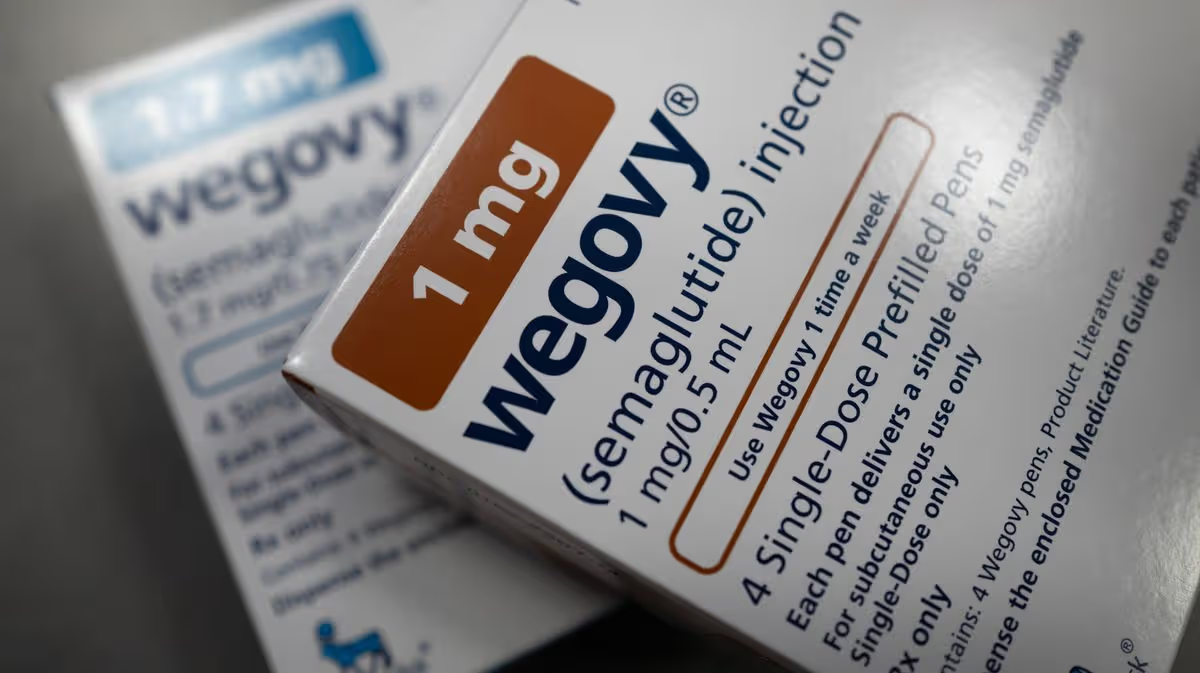
In a promising development for addiction medicine, a drug commonly prescribed for weight loss and diabetes is showing remarkable potential in the fight against alcohol use disorder. Groundbreaking research from Denmark has found that the weekly injection semaglutide, marketed as Wegovy for weight management and Ozempic for type 2 diabetes, can significantly reduce heavy drinking in individuals battling alcohol addiction. This discovery opens a novel and hopeful avenue for treatment, suggesting that the biological pathways governing appetite and satiety may be intricately linked to the mechanisms of addiction and craving. For the millions struggling with alcohol dependency, often alongside other health conditions like obesity, this could represent a transformative dual-action therapy, addressing multiple aspects of their health simultaneously.
Paragraph 2: The Study and Its Striking Results
The clinical trial, conducted by experts from the Mental Health Centre Copenhagen and Frederiksberg Hospital, focused on 108 participants who were both obese and diagnosed with alcohol use disorder. At the outset of the study, these individuals reported an average of 17 heavy drinking days per month—a pattern indicative of severe health risks and a high disease burden. Over six months, one group received semaglutide injections while a control group received a placebo. The results were compelling. Those receiving the active medication saw their heavy drinking days plummet to roughly five per month, a reduction of more than two-thirds from their baseline. In stark contrast, the placebo group only reduced their heavy drinking days to about nine per month. Beyond mere consumption, participants on semaglutide also reported a tangible decrease in their cravings for alcohol, a critical factor in long-term recovery.
Paragraph 3: How the Medication Works Beyond Weight Loss
Semaglutide belongs to a class of drugs known as GLP-1 receptor agonists. It works by mimicking a natural hormone called glucagon-like peptide-1, which is released after eating. This hormone sends signals to the brain to promote feelings of fullness and slows down the emptying of the stomach, which is why it is so effective for weight loss and blood sugar control. However, researchers now believe its benefits extend into the brain’s reward system. Professor Anders Fink-Jensen, the study’s principal investigator, explains that semaglutide appears to influence “the biological mechanisms underlying addiction.” It is thought that the drug may dampen the rewarding sensations not just from food, but from other substances like alcohol, while also potentially reducing harmful inflammation in the body. This makes it a unique tool that could complement traditional behavioral therapies and counseling for addiction.
Paragraph 4: A Meaningful Impact on Patient Lives
For those living with alcohol use disorder, the implications are profound. First author Dr. Mette Kruse Klausen emphasized that this is a patient group facing immense physical and mental health complications. Reducing the most harmful patterns of drinking isn’t just a statistical improvement; it can mean preventing liver disease, improving cardiovascular health, stabilizing mental well-being, and rebuilding personal relationships. Cutting heavy drinking days from 17 to five per month represents a dramatic shift in lifestyle and risk. It offers patients a chance to break a devastating cycle, providing a window of stability during which they can more effectively engage with counseling, support groups, and other foundational elements of comprehensive addiction treatment. This isn’t merely about drinking less; it’s about creating an opportunity for a healthier, more sustainable life.
Paragraph 5: Context, Considerations, and Cautions
While the findings are encouraging, they come amidst the complex landscape of semaglutide’s use. In the UK and elsewhere, these drugs are in high demand primarily for weight loss, with millions obtaining them through private prescriptions. It is crucial to understand that they are not a magic bullet. Treatment must be managed by healthcare professionals who can provide necessary monitoring and personalized support. Common side effects, such as nausea, can be significant, and the high cost of private prescriptions makes long-term access a barrier for many. Furthermore, maintaining results requires sustained lifestyle changes. Research indicates that without concurrent adjustments to diet and exercise, weight can be regained after stopping the medication. There are also concerns about the loss of muscle and bone density during rapid weight loss, which may not fully reverse.
Paragraph 6: The Path Forward and Cautious Optimism
This Danish study, while significant, is a step on a longer research journey. Larger and more diverse trials will be needed to confirm these effects and to understand the long-term implications of using GLP-1 drugs for addiction. Nevertheless, the research provides robust cause for cautious optimism. It suggests a future where treatment for alcohol use disorder could be supported by a targeted biological approach that addresses the brain chemistry of craving. For patients and clinicians, it adds a powerful potential tool to the therapeutic arsenal. As science continues to reveal the deep connections between metabolic health and addiction, the hope is for more integrated, effective, and compassionate treatment strategies that address the whole person, offering a firmer path toward recovery and wellness.