




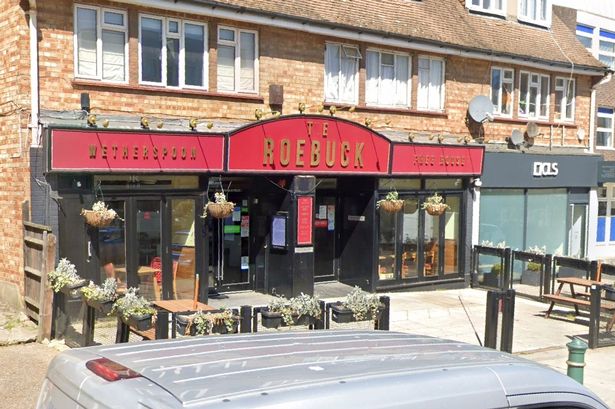
The Rose and Crown, a beloved Essex pub nestled in the heart of Writtle, recently ignited a firestorm of controversy with a seemingly innocuous policy change: a ban on standing at the bar with a pint. This decision, ostensibly implemented to streamline service and improve efficiency during peak hours, has been met with a torrent of criticism from regulars and pub enthusiasts alike, who argue that it strikes at the very heart of the traditional British pub experience. The debate transcends a mere disagreement over pub etiquette and delves into the deeper cultural significance of the British pub, highlighting its role as a vital social hub where spontaneous interactions and a sense of community flourish. For many, the ability to prop oneself up at the bar, pint in hand, is an integral part of this experience, embodying the informality, camaraderie, and accessibility that define the beloved institution.
The outcry against the Rose and Crown’s new policy stems from the perception that it disrupts the established dynamics of the traditional pub environment. Standing at the bar allows patrons to engage in casual conversations with strangers, fostering a sense of shared experience and spontaneous connection. It offers a platform for light-hearted banter with the bar staff, contributing to the convivial atmosphere and reinforcing the pub’s role as a community gathering place. Furthermore, standing at the bar allows for a more immediate and engaging experience, providing a front-row seat to the theatre of the pub, observing the ebb and flow of the crowd, the pulling of pints, and the general hustle and bustle. This immersive experience is lost when relegated to the confines of a table, where interactions are often limited to one’s immediate company. Critics of the ban argue that it formalizes the pub experience, creating an unnecessary barrier between patrons and staff and diminishing the sense of casual conviviality that is so cherished.
The debate surrounding the Rose and Crown’s decision also raises questions about the evolving nature of the British pub and the challenges it faces in the 21st century. Pubs are no longer solely reliant on alcohol sales, with many diversifying their offerings to include food, live music, and other forms of entertainment. This diversification has broadened their appeal, attracting a wider range of clientele, but it also raises questions about how to balance the traditional aspects of the pub experience with the demands of a modern, multifaceted business. The Rose and Crown’s management justifies the bar standing ban as a necessary measure to manage the increased foot traffic and ensure efficient service, particularly during busy periods. They argue that it allows staff to operate more effectively, reducing congestion and improving the overall customer experience. However, critics counter that this prioritizes efficiency over atmosphere, sacrificing a core element of the pub experience for the sake of streamlining operations.
The controversy also highlights the deep emotional connection that many people have with their local pub. For some, it is more than just a place to grab a drink; it is a sanctuary, a social lifeline, a place where they feel a sense of belonging and community. The pub represents a shared history, a repository of local stories and traditions, and a space where social barriers are often blurred. The Rose and Crown’s decision to ban standing at the bar has touched a nerve with many regulars who feel that this cherished tradition is being eroded, threatening the very essence of what makes the British pub so unique. This sense of loss and frustration is reflected in the strong reactions to the policy change, with many expressing their disappointment and vowing to take their custom elsewhere.
The debate extends beyond the confines of the Rose and Crown, sparking a wider conversation about the future of the British pub and the importance of preserving its cultural heritage. While acknowledging the need for pubs to adapt and evolve, many argue that certain core elements of the pub experience must be protected. The ability to stand at the bar, engage in spontaneous conversation, and enjoy a pint in a relaxed, informal setting is seen as fundamental to the British pub’s enduring appeal. This view emphasizes the importance of maintaining the pub’s role as a social hub, a place where people from all walks of life can come together, connect, and share a sense of community. The concern is that the gradual erosion of these traditional elements will transform the pub into something less distinct, less authentic, and ultimately less appealing.
The Rose and Crown’s standing ban serves as a microcosm of the broader challenges facing the British pub industry. It highlights the tension between preserving tradition and adapting to changing consumer preferences and economic realities. While the pub’s management defends the ban as a necessary measure to improve efficiency and cater to a wider clientele, the backlash underscores the deep emotional connection that many people have with the traditional pub experience. The debate ultimately revolves around the question of what constitutes the essence of the British pub and how to strike a balance between preserving its unique character and ensuring its continued viability in a rapidly changing world. The answer, it seems, lies in finding a way to embrace the future without sacrificing the soul of the British pub.