



The Genesis of "The Brutalist" and Its Architectural Inspiration:
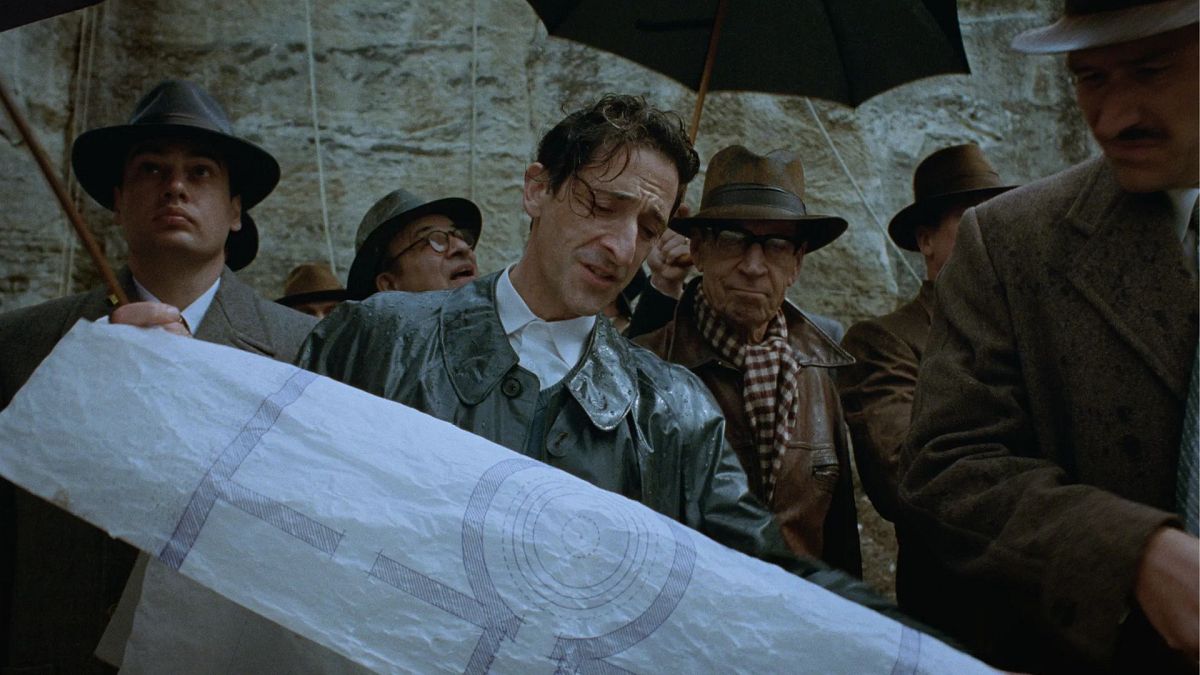
"The Brutalist," a film vying for Oscar recognition, delves into the world of Brutalism, a controversial yet influential architectural movement of the 20th century. While not a strict biopic, the film draws inspiration from the lives and works of several prominent Brutalist architects, weaving a narrative around a fictional Hungarian-Jewish architect, László Tóth, played by Adrien Brody. Tóth, a Holocaust survivor, finds himself in post-war America, embarking on an ambitious modernist project under the patronage of a powerful, enigmatic figure played by Guy Pearce. The film, directed by Brady Corbet, explores the complexities of this architectural style and the individuals who shaped it, reflecting the historical context of the post-war era and the rise of modernism.
Brutalism: A Divisive Architectural Style:
Brutalism, characterized by its raw, exposed concrete and steel structures, emerged in the post-war period, prioritizing functionality over comfort. This stark aesthetic elicited strong reactions, with detractors labeling it cold and unsightly, while admirers celebrated its boldness and innovative spirit. The film seeks to capture this dichotomy, highlighting the stark beauty and the perceived harshness of Brutalist designs, reflecting the divided opinions surrounding the movement. The film’s narrative, interwoven with the architectural backdrop, mirrors the challenges and triumphs of the Brutalist pioneers.
The Real-Life Architects Behind the Fiction:
The film’s protagonist, László Tóth, is a composite character, drawing inspiration from several real-life figures who contributed significantly to the Brutalist movement. Marcel Breuer, a Hungarian-German architect who also emigrated to the United States, shares several biographical similarities with Tóth, including his Jewish heritage and his signature use of massive concrete forms in his designs. Breuer’s notable works, such as the UNESCO headquarters in Paris and the Whitney Museum of American Art in New York (now the Met Breuer), exemplify the monumental scale and stark aesthetic that define Brutalism.
Another key figure in the movement was Ernő Goldfinger, whose Brutalist designs in London, including his own home in Hampstead and the iconic Trellick Tower, became both celebrated and controversial landmarks. His work sparked strong reactions, including from James Bond creator Ian Fleming, who famously named a villain after the architect.
Louis Kahn, an Estonian-born American architect, further enriched the Brutalist lexicon with his monumental designs, like the Salk Institute in California and the Kimbell Art Museum in Texas. These structures demonstrate Kahn’s mastery of light and shadow, showcasing the potential for Brutalist architecture to create spaces that are both powerful and serene.
The Bauhaus Influence and the Nazi Threat:
The rise of Brutalism was deeply intertwined with the Bauhaus movement, a German art school that sought to unify art, architecture, and design under a modernist banner. Both Breuer and Gropius, key figures in Brutalism, were associated with Bauhaus. However, the rise of Nazism in Germany forced many Bauhaus figures, including Breuer and Gropius, to flee the country due to the regime’s condemnation of modern art. The persecution of artists and architects during this period provides a historical context for the fictional Tóth’s experience in "The Brutalist," highlighting the dangers faced by those who embraced modernism in a time of political upheaval.
The fate of artists like Otto Dix and Otto Freundlich, who were targeted by the Nazis for their "degenerate art," underscores the perilous environment for creative expression under totalitarian regimes. Freundlich’s tragic end in a concentration camp serves as a stark reminder of the human cost of artistic suppression.
The Legacy of Brutalism and its Contemporary Relevance:
Despite its divisive nature, Brutalism continues to inspire and provoke debate. Contemporary artists like Tracey Emin have championed the preservation of Brutalist structures, recognizing their historical and architectural significance. The award-winning Gabriel Garcia Marquez library in Barcelona, designed by Guillermo Sevillano and Elena Orte, demonstrates the enduring influence of Brutalist principles in contemporary architecture.
The library’s design, resembling a stack of books, cleverly reflects its function while also showcasing the versatility of concrete as a building material. The architects’ admiration for the work of Brazilian architect Paulo Mendes da Rocha further highlights the global reach and continued relevance of Brutalism.
"The Brutalist" offers a cinematic exploration of this complex architectural style, inviting viewers to engage with its history, its aesthetics, and its enduring impact on the built environment. The film’s narrative, interwoven with the lives and works of the Brutalist pioneers, provides a window into a period of artistic and political upheaval, highlighting the power of architecture to reflect and shape the human experience.