



One year has passed since the entirety of Portugal and neighboring Spain were suddenly plunged into a debilitating darkness, a widespread power failure that paralyzed daily life and exposed critical vulnerabilities. The anniversary has been marked not by ceremony, but by the sobering release of a final report from a Portuguese parliamentary working group, tasked with uncovering the causes and crafting solutions to prevent a repeat. This document delivers a stark admission: in those first, chaotic minutes of the crisis, the government’s response was driven more by “intuition” than by any coherent, pre-established plan. This candid acknowledgment underscores the report’s central theme—that while the technical trigger was complex, the failure in preparedness was profound and systemic, demanding a fundamental shift in how the nation approaches resilience.
The technical roots of the blackout, as detailed in a separate 400-page analysis released earlier this year, reveal a story of cascading failures rather than a single catastrophic event. In under ninety seconds, a perfect storm unfolded: a sudden drop in output from large renewable energy plants created a dangerous voltage surge across the grid. This overvoltage then caused a critical transformer at a substation in Granada, Spain, to automatically shut down for self-protection, an action that triggered the wider, catastrophic collapse. This sequence highlights the intricate and fragile interconnectedness of modern energy systems, where a disturbance in one node can ripple out with breathtaking speed, toppling the entire network. The complexity of this failure moved the crisis beyond simple blame, pointing instead to the need for more robust grid management and cross-border coordination to handle such volatile, real-time fluctuations.
In response to these systemic gaps, the parliamentary report puts forward a sweeping set of recommendations aimed at hardening the country’s core infrastructure against future shocks. Its cornerstone proposal is a mandate for autonomy: hospitals, nursing homes, and emergency services would be required to maintain a minimum of 72 hours of independent power backup, with all other critical infrastructure sustaining at least 24 hours. Accompanying this is a call to significantly increase onsite fuel storage limits at these facilities. Furthermore, the report advocates for a formal classification of food retailers and pharmacies as critical infrastructure, recognizing that societal stability in a crisis depends as much on access to essentials as it does on official emergency services. These measures represent a move from ad-hoc response to guaranteed endurance.
Beyond keeping the lights on in critical locations, the report confronts the communications breakdown that amplified public fear and hindered official coordination. It recommends a structural overhaul of SIRESP, the national emergency communications network, and the urgent development of a public alert system entirely independent of commercial mobile networks—which proved useless once backup power at cell towers expired. Acknowledging damaging delays, the working group also calls for faster activation of emergency protocols and a review of compensation frameworks for those affected. These findings directly spurred the creation of a government operations centre late last year, with the responsible minister conceding the prior lack of a plan for serious crises and stating plainly that “the country needs to do more.”
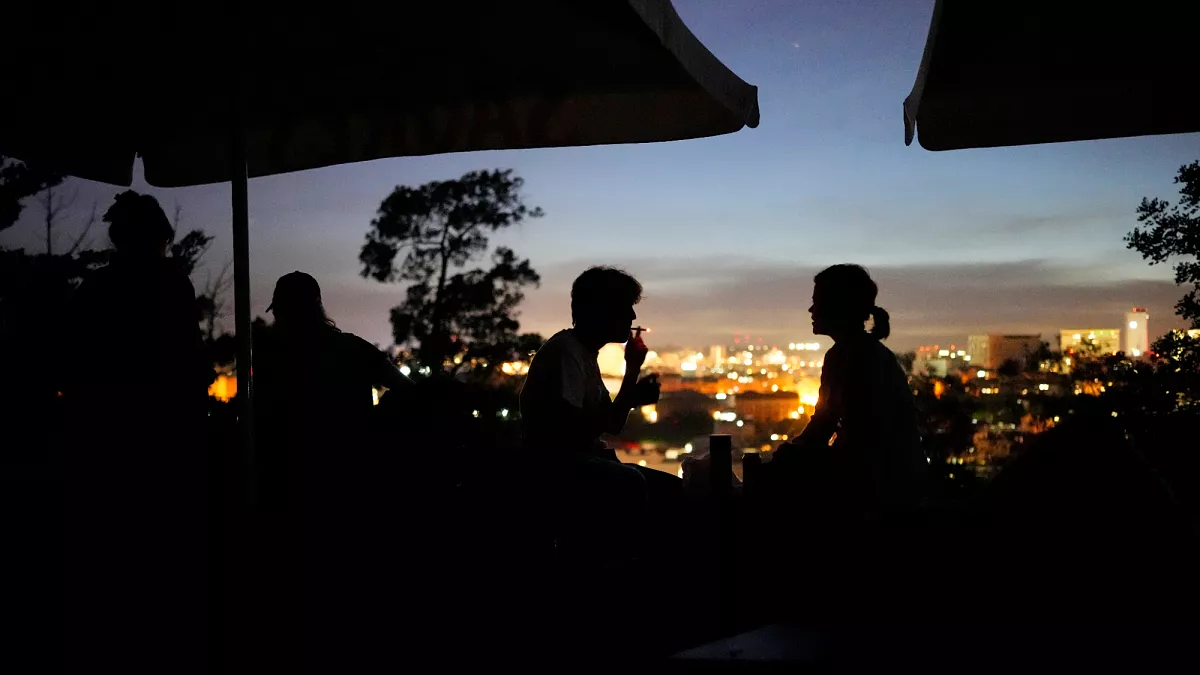
The human dimension of the blackout, however, remains its most indelible memory, captured in the mixed responses of Lisbon residents when asked about their preparedness today. Some, like pensioner Filomena Nobre, have taken the European Commission’s advice to heart, assembling emergency kits with radios, blankets, and whistles. Others, such as 77-year-old Manuel Oliveira, rely on existing staples like candles and tinned food, confident for a short duration but aware of their limits. Yet many admit to having made no deliberate preparations, a vulnerability encapsulated by shopkeeper Sónia’s comment that she would be cut off from vital news without her radio. The sentiment of pensioner Luís Latas perhaps resonates most deeply: “It felt like the world was ending,” he recalled. “Without mobile phones, without anything, people panic.” This collective experience underscores that resilience is not just an engineering challenge, but a societal one.
As the parliamentary report now moves to political evaluation and potential amendment, its proposals stand as a critical blueprint for a more resilient Portugal. The blackout of last year served as a brutal stress test, revealing fractures in technological systems, emergency planning, and social preparedness. The recommended path forward—spanning grid robustness, infrastructure autonomy, fail-safe communications, and clarified public guidance—aims to weave a stronger national fabric. The ultimate goal is to ensure that if darkness ever falls again, it will not be met with intuition and panic, but with a coordinated, prepared response that keeps society functioning and its citizens safe, informed, and supported until the light returns.