



The European Union faces a pressing need to bolster its defense capabilities in response to the evolving geopolitical landscape, particularly following Russia’s invasion of Ukraine. While there is a broad consensus among member states on the necessity of increased defense spending and production, a significant point of contention remains: how to finance this critical endeavor. The current debate revolves around various proposals, including national increases, joint borrowing through “defense bonds,” and leveraging private capital, with each option encountering varying levels of support and opposition from member states. This disagreement underscores the complex financial and political considerations at play as the EU seeks to strengthen its security posture.
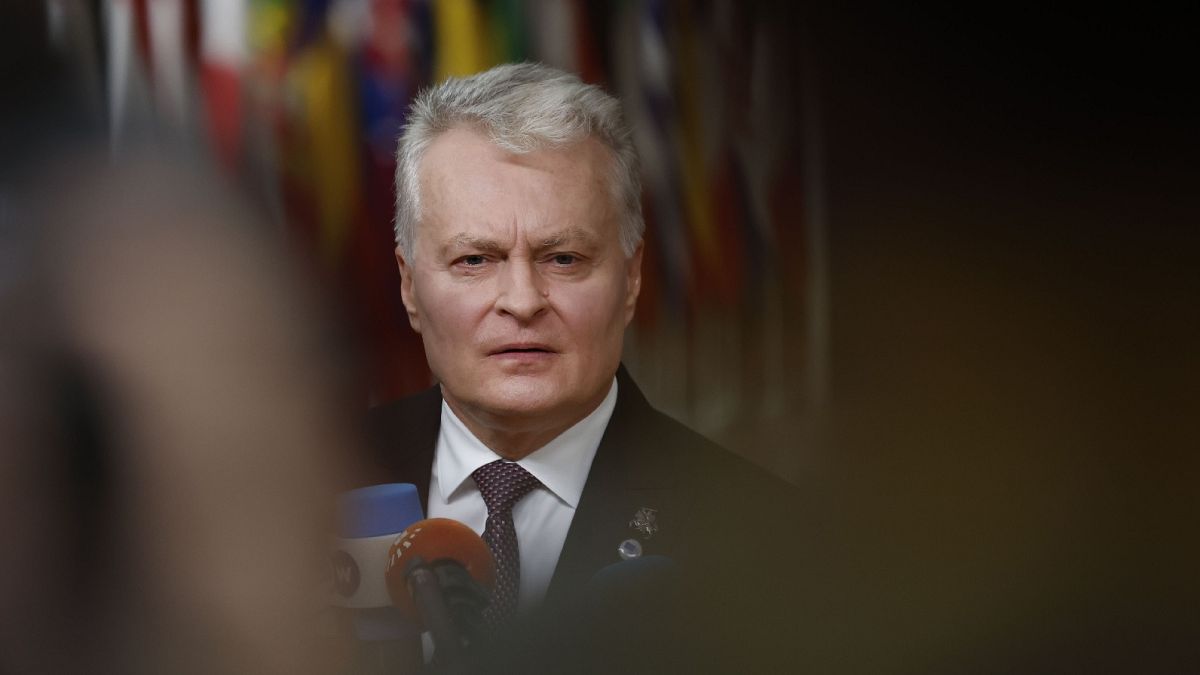
Lithuania, a small Baltic nation acutely aware of its vulnerability given its proximity to Russia, exemplifies the commitment to increased defense spending. President Gitanas Nausėda has declared Lithuania’s intention to raise its defense expenditure to 5% of its GDP, exceeding NATO’s 2% target significantly. This ambitious goal reflects not only Lithuania’s determination to bolster its own defenses but also its belief in the importance of pan-European cooperation on security matters. Lithuania’s proactive stance underscores the urgency felt by frontline states in reinforcing their security against potential threats. This starkly contrasts with some other member states who have historically been reluctant to increase military expenditures.
Poland, another EU and NATO member bordering Ukraine, shares Lithuania’s commitment to robust defense spending and has already pledged to allocate 5% of its GDP to defense in 2025. These commitments from both Lithuania and Poland highlight the growing awareness among Eastern European nations of the need for enhanced defense capabilities. The stark reality of the war in Ukraine has served as a catalyst, propelling these countries to prioritize security and invest heavily in their military forces. This shift in priorities underscores the changing security dynamics in Europe and the renewed focus on defense preparedness.
The European Commission has estimated a staggering €500 billion is needed over the next decade to modernize Europe’s defense industry and meet current demand. This substantial figure reflects the significant investment required to upgrade equipment, develop new technologies, and expand production capacity. The projected increase in spending also underscores the long-term commitment needed to ensure Europe’s defense industry remains competitive and capable of meeting the evolving security challenges of the 21st century. This financial outlay highlights the scale of the challenge facing the EU as it seeks to enhance its defense capabilities.
NATO, a key security partner for the EU, is also grappling with the question of defense spending targets. NATO Secretary General Jens Stoltenberg has advocated for a significant increase beyond the current 2% benchmark, potentially even doubling it. He emphasizes not just increased spending but also smarter spending, prioritizing innovative technologies and joint procurement to maximize efficiency and effectiveness. This focus on collaborative efforts and technological advancement reflects a recognition that modern defense requires not only financial resources but also strategic planning and cooperation to ensure interoperability and maximize the impact of investments.
Within the EU, various proposals for financing the increased defense spending are being debated. Andrius Kubilius, the Commission’s defense tsar, has suggested a 3% GDP target and proposed “frontloading” funds for joint procurement through “defense bonds.” However, this idea of joint borrowing has faced strong resistance from several member states, including the Netherlands and Germany, which prefer utilizing private capital and avoiding further debt. This divergence in views reveals the underlying tensions within the EU regarding fiscal responsibility and the willingness to share financial burdens for collective defense. The debate underscores the need to find a financing solution that is both effective and politically palatable to all member states.
The ongoing discussions within the EU highlight the complex and multifaceted nature of strengthening European defense. Finding a consensus on financing mechanisms is crucial for effectively bolstering defense capabilities and ensuring the EU’s security in a rapidly changing geopolitical environment. The debate over “defense bonds” versus national funding and private investment reflects differing economic philosophies and national priorities within the bloc. Ultimately, reaching an agreement that balances financial prudence with the urgent need for enhanced security will be vital for the EU’s future. The upcoming informal gathering of EU leaders, including British Prime Minister Keir Starmer, will provide a crucial platform for further discussions and potentially pave the way for a comprehensive and sustainable financing solution for European defense.