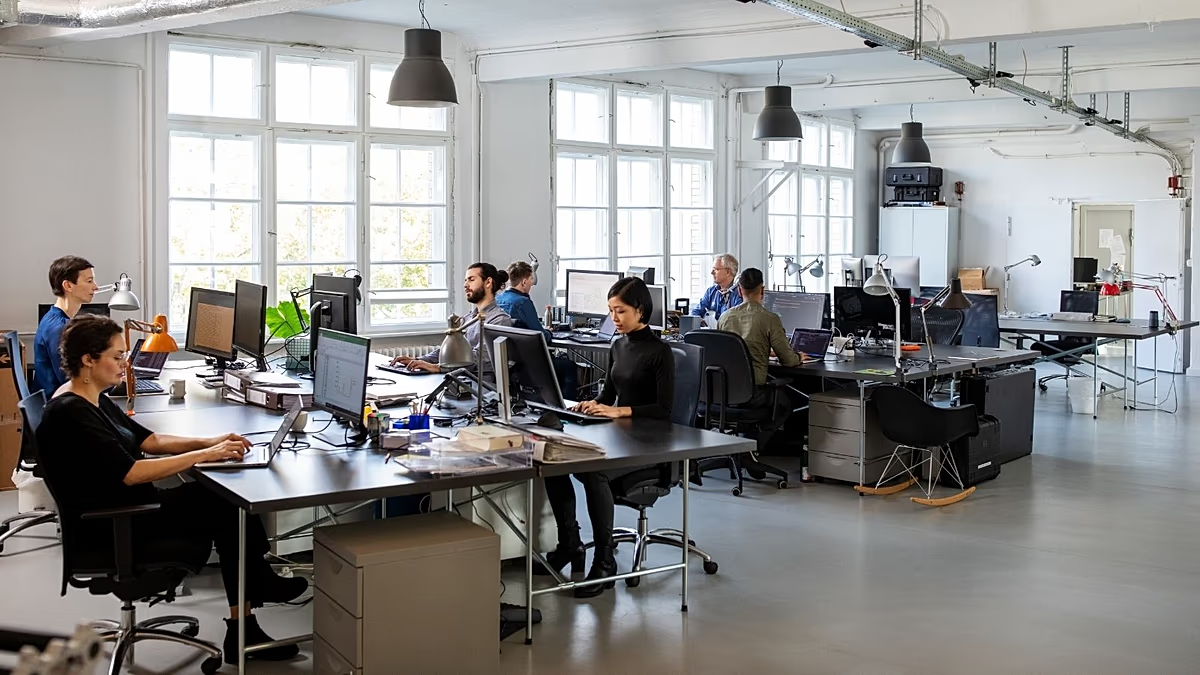




The rise of standing desks has been fueled by the promise of mitigating the detrimental health effects of prolonged sitting, a common plight for office workers. Marketing often touts benefits such as weight loss, improved blood sugar control, and back pain relief. However, the scientific evidence supporting these claims is less definitive than advertised. While standing undeniably offers certain advantages over sitting, the ideal approach to workplace ergonomics and overall health appears to lie in a more nuanced approach incorporating regular movement and postural changes rather than simply swapping sitting for prolonged standing.
One of the key distinctions between sitting and standing is the level of energy expenditure. Sitting, by definition, is a sedentary behavior characterized by low energy expenditure while awake. Standing, on the other hand, necessitates greater energy expenditure and promotes better blood flow, provided the posture is not maintained for excessive durations. While standing avoids the pitfalls of sedentary behavior, prolonged standing introduces its own set of health risks. Research suggests that extended periods of standing can increase the risk of circulatory issues such as varicose veins and deep vein thrombosis due to blood pooling in the lower extremities. Furthermore, studies have linked prolonged standing to elevated blood pressure, further complicating the narrative of standing as a panacea for the sedentary office worker.
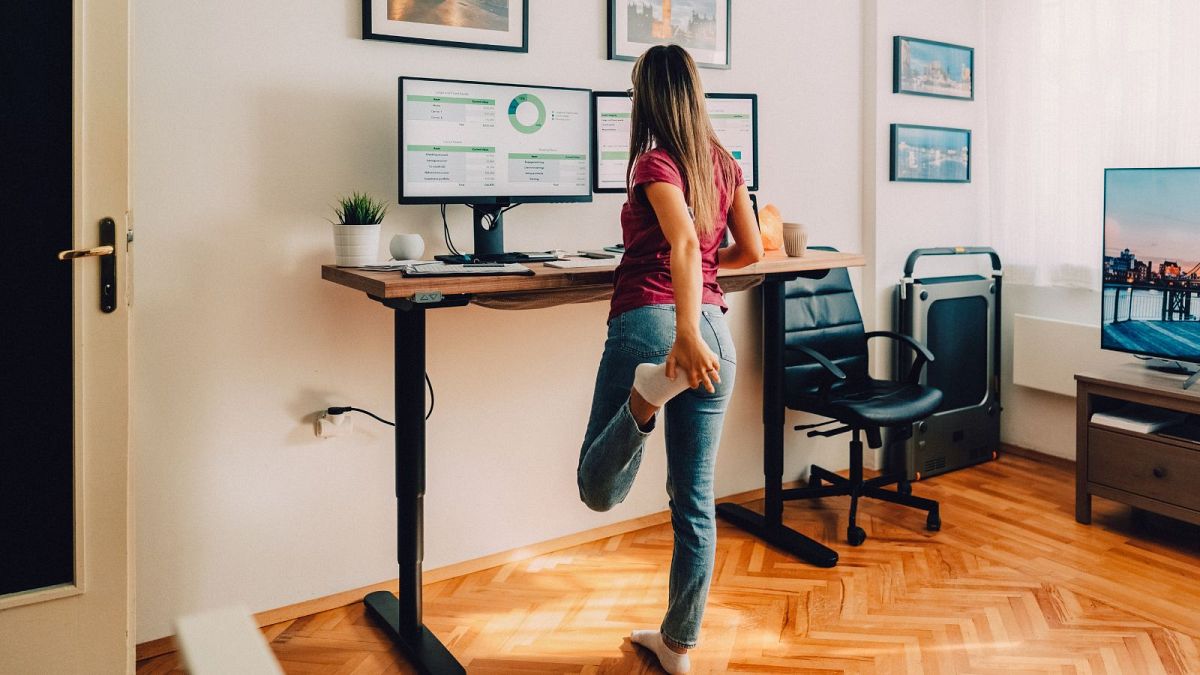
The consensus among experts is that the key to counteracting the negative impacts of a sedentary lifestyle lies not in simply standing more, but in incorporating regular movement throughout the day. The duration of each sitting period is as crucial, if not more so, than the total daily sedentary time. Longer, uninterrupted periods of sitting pose greater health risks than shorter, more frequent bouts of sitting interspersed with movement. This emphasizes the importance of breaking up prolonged periods of sitting with regular postural changes, such as transitioning from sitting to standing every 30 minutes. Adjustable-height desks offer a practical solution, enabling individuals to seamlessly switch between sitting and standing throughout the workday. Importantly, a review of scientific literature found no adverse effects of standing desks on productivity or performance, allaying concerns that incorporating standing into the workday might negatively impact work output.
The detrimental effects of prolonged sitting are well-documented and encompass a wide range of health issues. A sedentary lifestyle, characterized by extended periods of sitting, increases the risk of developing diabetes, cardiovascular disease, various cancers, and depression, among other conditions. One of the key physiological mechanisms through which prolonged sitting exerts its negative effects is by impairing endothelial function, which is the ability of arteries to dilate and constrict as needed to regulate blood flow. Extended sitting reduces the body’s capacity to effectively modulate arterial dilation and constriction, contributing to cardiovascular problems. Furthermore, prolonged sitting promotes oxidative stress, leading to inflammation, which underpins numerous health issues.
Beyond cardiovascular health, prolonged sitting negatively impacts muscle strength, blood sugar regulation, and blood pressure. Regular movement and muscle contraction play a crucial role in glucose homeostasis, acting similarly to insulin in regulating blood sugar levels. Thus, a sedentary lifestyle can disrupt blood sugar control, increasing the risk of developing diabetes. Additionally, prolonged sitting can weaken muscles, further contributing to health problems. Emerging research also suggests a link between prolonged sitting and cognitive decline, including an increased risk of dementia, even among individuals who engage in regular exercise.
In conclusion, while standing desks offer some benefits over continuous sitting by promoting greater energy expenditure and improved blood flow, they are not a standalone solution to the health risks associated with a sedentary lifestyle. Prolonged standing can introduce its own set of health issues, such as circulatory problems and elevated blood pressure. The most effective strategy for counteracting the negative effects of prolonged sitting is to prioritize regular movement and incorporate frequent postural changes throughout the day. Adjustable-height desks provide a practical means of integrating both sitting and standing into the workday without negatively impacting productivity. By understanding the nuances of how different postures affect our health and focusing on incorporating regular movement, we can create a healthier and more productive work environment.