


In the grand halls of Washington D.C., where the global financial elite convene, a palpable sense of skepticism hangs in the air regarding Europe’s economic ambitions. At industry gatherings and policy forums, the European Union’s flagship project to unify its fragmented capital markets is met with a mixture of curiosity and doubt. American regulators and financiers, while acknowledging the goal of stimulating investment and growth, often view the endeavor with a weary eye. Their skepticism stems not from the concept’s lack of merit, but from a deep-seated belief that the EU’s internal political rivalries and bureaucratic complexities are insurmountable hurdles. To many across the Atlantic, the grand vision of a seamless, integrated European financial system seems perpetually out of reach, a noble aspiration consistently undermined by national interests and regulatory discord.
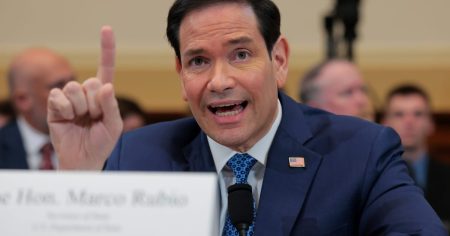
This American perspective was crystallized in recent comments from key figures, who framed the issue as a fundamental threat to global stability. The prevailing U.S. mantra, forcefully reiterated, is that the greatest risk to financial health is a simple lack of economic growth. From this vantage point, the European Union stands accused of failing to follow through on its own plans, such as the influential Draghi Report, which laid out a blueprint for reinvigorating the continent’s economy. Critics argue that instead of fulfilling its core promise to facilitate seamless trade and create shared prosperity, the bloc’s structure has inadvertently become a hindrance. This view reduces the EU’s complex political project to a simple question of output, where its inability to spur robust growth is seen not just as an internal failure, but as a drag on the wider transatlantic alliance and global economic resilience.
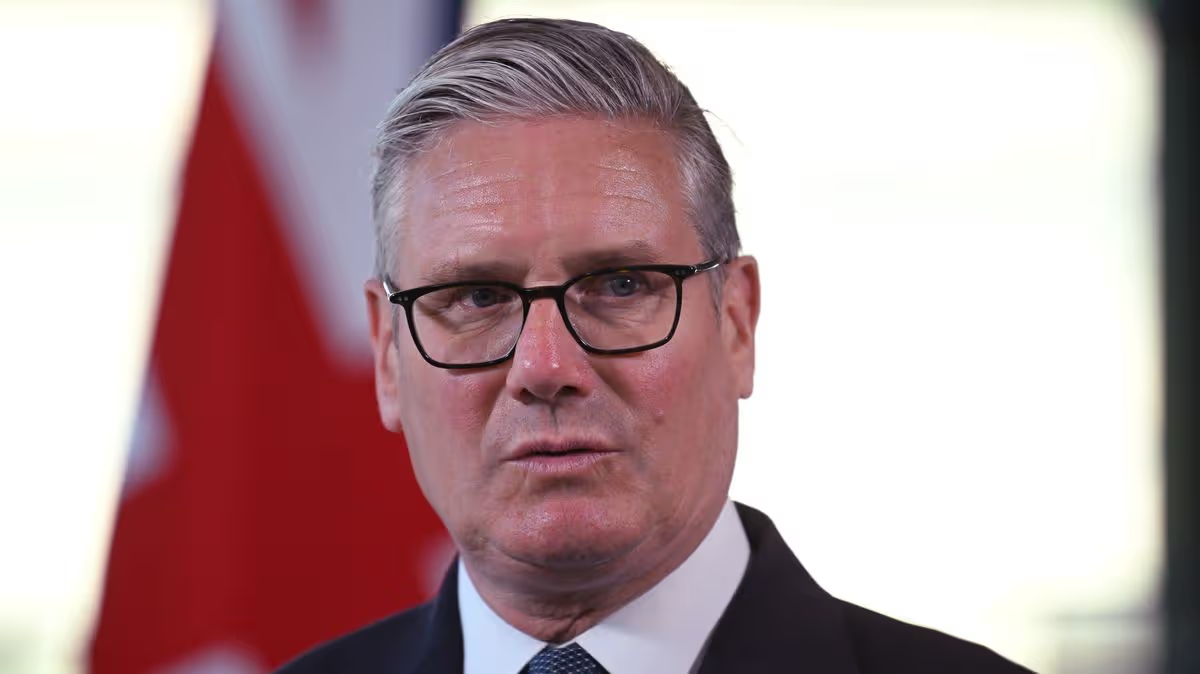
In response to this criticism, European leaders have adopted a notably more conciliatory and diplomatic tone, emphasizing the enduring strength of transatlantic partnership. Key figures, including the U.K.’s Finance Minister, have been quick to highlight ongoing cooperation, pointing to technical work advancing between British and American counterparts on the future of capital markets. The message is clear: despite geopolitical shifts and the U.K.’s exit from the EU, the practical bonds of finance and trade remain robust and are actively being nurtured. Similarly, top EU officials have played up the necessity of unity in the face of shared global challenges, from climate change to technological disruption. They argue that while disagreements are inevitable between such major powers, the historical record proves a unique ability to work through differences, a muscle memory of diplomacy that must be exercised now more than ever.
However, beneath this polished veneer of diplomatic resolve, a new strain of European fatigue is beginning to show. The continent has been weathering a relentless storm of crises, each demanding immense political capital and economic fortitude. Successive weeks have brought downgraded growth forecasts, exposing underlying vulnerabilities. The urgent and costly mission to shore up energy security in the wake of geopolitical conflict continues to drain resources and focus. Simultaneously, regulators are racing to understand and stave off the nascent risks that powerful artificial intelligence poses to the stability of European banks and financial institutions. This constant state of firefighting, of managing immediate existential threats, is stretching the patience and resources of European policymakers thin, making the prospect of yet another complex negotiation with the U.S. seem particularly burdensome.
Consequently, the European stance is hardening into one of principled pragmatism. While the commitment to “constructive relations” with the United States remains an unshakable pillar of EU policy, it is no longer an unconditional one. The message from Brussels is increasingly firm: cooperation is desired, but not at any cost. European officials are signaling that they will not, as one commissioner stated, “turn a blind eye to any risks to our interests.” This represents a subtle but significant shift from a posture of open-ended alliance management to one of assertive self-protection. It acknowledges that the relationship is sometimes transactional and that European sovereignty—whether in digital policy, financial regulation, or trade—must be vigorously defended even when dealing with its closest partner.
Ultimately, the transatlantic financial dialogue is entering a new phase characterized by “growing pains.” The era of taking the partnership for granted is over, replaced by a more complex and sometimes tense dynamic where fundamental economic strategies are in question. The U.S. watches the EU’s integration efforts with skeptical impatience, demanding faster growth and clearer results. Europe, meanwhile, battered by successive crises and internal challenges, seeks cooperation but with a newly assertive edge, determined to protect its own economic model and strategic autonomy. The path forward requires both sides to move beyond caricature—for the U.S. to appreciate the political enormity of European integration, and for the EU to translate its defensive resilience into a compelling, proactive growth narrative. Their ability to navigate this delicate balance will not only define their bilateral ties but will also set the course for the stability and prosperity of the global economy itself.