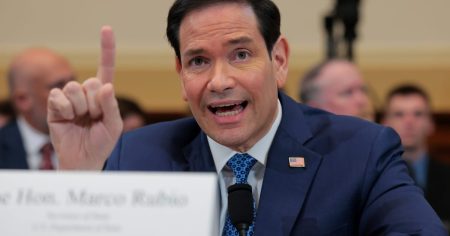

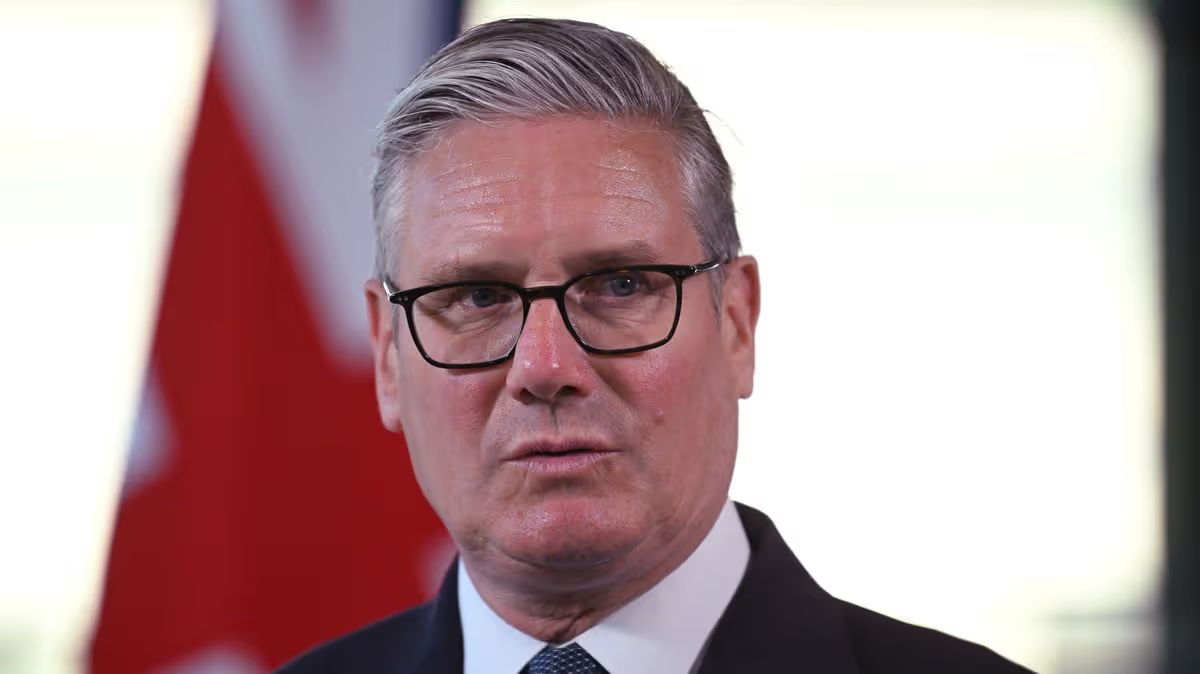


In Brussels, a significant diplomatic chess game is unfolding, with the future of Ukraine’s financial lifeline hanging in the balance. The stalemate revolves around Hungarian Prime Minister Viktor Orbán and his refusal to greenlight a crucial €90 billion loan package promised to Ukraine by the European Union. Orbán has anchored his objections not to broad political dissent, but to a very specific, tangible issue: the condition of the Druzhba pipeline. This critical infrastructure transports Russian oil into Hungary, and its operational status is a matter of national energy security for Budapest. For months, Orbán has leveraged this point, holding the collective EU funding hostage until Ukraine commits to repairing the pipeline. The dynamic underscores a recurring theme in EU politics: how the concerns of a single member state can become the pivot point for broader continental strategy. The urgency is palpable as EU leaders prepare to convene for a decisive meeting, with all eyes on whether a compromise can be forged in time. The recent development that Kyiv has agreed to collaborate with the bloc on the pipeline repairs has injected a dose of optimism into the negotiations, suggesting that Orbán’s primary condition may finally be met. This delicate dance between collective European will and national sovereignty encapsulates the complex, often arduous, nature of decision-making within the Union.
The resolution of this funding impasse is more than a bureaucratic triumph; it is a vital test of European solidarity and strategic resolve in the face of ongoing conflict. Ukraine’s economy and war effort are heavily dependent on external financial support, and this €90 billion tranche represents a cornerstone of that international backing. Orbán’s stance, while framed around a technical issue, carries profound political weight, reflecting his government’s long-standing and more nuanced relationship with both Moscow and Kyiv. By focusing on a concrete, logistical grievance, he has managed to avoid a direct confrontation on the principle of supporting Ukraine, instead negotiating on terms of national interest. This approach forces the EU to engage in practical problem-solving, bridging the gap between high-level political commitments and ground-level operational realities. The potential unlocking of the funds, should the pipeline agreement satisfy Budapest, would demonstrate that even within a union of diverse voices and interests, mechanisms exist to navigate through gridlock. It would reaffirm that European unity, though sometimes strained, can ultimately coalesce around shared strategic objectives, especially when confronted by external aggression that threatens the continent’s collective security.
Parallel to this high-stakes geopolitical negotiation, the European Commission is embarking on a bold internal project aimed at revitalizing the continent’s economic dynamism: tackling its notorious “startup problem.” The unveiled plan, dubbed the “28th regime,” is an ambitious regulatory framework designed to transcend the tangled web of national laws that currently stifle cross-border entrepreneurship. Its goal is to create a unified, simpler set of rules for founding and scaling new companies across the entire EU, offering entrepreneurs an optional, standardized pathway alongside existing national systems. This initiative is far more than a business-friendly tweak; it is a fundamental test of the EU’s ability to foster genuine integration in the single market’s most innovative sectors. For decades, the dream of a seamless European market has been hampered by the sheer complexity of complying with 27 different sets of corporate, tax, and employment laws. The “28th regime” seeks to cut through that complexity, embodying the principle that to compete globally with tech hubs like Silicon Valley, Europe must offer a homegrown environment that is equally agile and attractive.
The political symbolism of this startup initiative is profound. It represents a conscious effort to move the EU from a regulator of existing markets to a proactive builder of future ones. Success would signal that Brussels can not only manage crises but also engineer growth, cultivating the next generation of European champions in technology and innovation. However, the plan’s fate is deeply political. It will require buy-in from member states that may be protective of their own national legal frameworks and skeptical of ceding further regulatory authority to Brussels. The “28th regime” thus becomes a litmus test for a much bigger question: How far are European nations willing to go to truly harmonize their economies for collective competitive advantage? Can they overcome the instinct to protect jurisdictional sovereignty in favor of creating a powerful, unified platform for innovation? This endeavor goes to the heart of the European project’s next phase—not just maintaining peace and stability, but actively constructing the tools for shared prosperity and technological leadership in the 21st century.
In a quieter corner of the European Parliament, a different kind of European story is being told, one that reflects the Union’s foundational ethos in a uniquely bureaucratic light. A new exhibition is tracing the continent’s tumultuous history through the eyes of a seemingly mundane figure: the notary. By centering on official documents—treaties, property deeds, contracts, and declarations—the exhibition highlights how Europe’s evolution has been meticulously recorded, formalized, and legitimized through paper and procedure. What could be more quintessentially “EU” than this? The Union itself is a construct of treaties, regulations, and directives; its very existence is codified in documents. This display serves as a metaphor for the European project’s character: it is built not on fleeting passions or military conquests, but on painstakingly negotiated legal agreements and shared rules. The notary, as the guardian of these formal records, becomes an unexpected narrator for centuries of conflict, cooperation, trade, and integration, reminding visitors that the often-criticized “red tape” of Brussels is, in fact, the woven fabric of a continent choosing to bind itself together by law rather than force.
Finally, these three simultaneous narratives—the tense negotiation over Ukraine, the push for a unified startup landscape, and the reflective exhibition on documentary history—converge to paint a comprehensive picture of the European Union in action. It is an entity constantly balancing crisis management with long-term vision, national interests with collective goals, and political immediacy with legal permanence. The Orbán standoff illustrates the real-world friction in executing shared foreign policy. The “28th regime” showcases the ambitious, forward-looking work to reshape the internal market. The notary exhibition provides a contemplative backdrop, grounding all current actions in the continent’s deep tradition of resolving matters through documented agreement. Together, they reveal a union that is pragmatic yet aspirational, sometimes stalled but persistently striving. For citizens, observers, and policymakers, these stories underscore that Europe’s path is never simple. It is a continuous negotiation—a journey navigated through emergency funding deals, bold regulatory experiments, and, always, the enduring framework of laws and documents that make the improbable project of European unity a tangible, ongoing reality.