

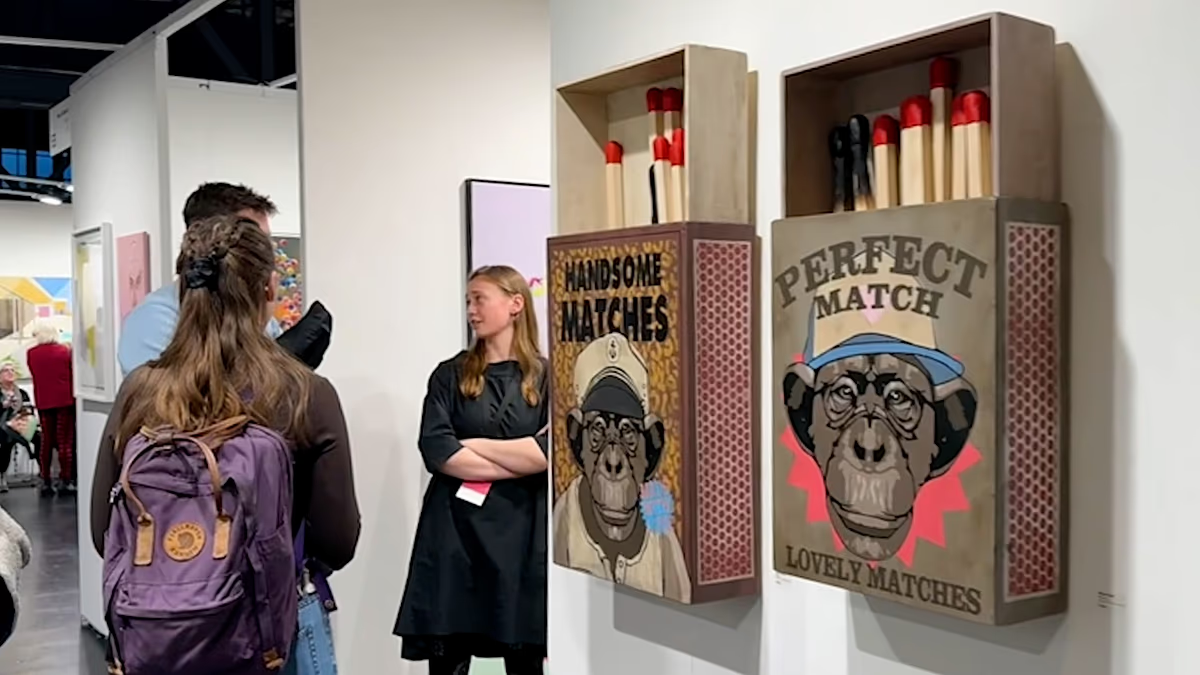
Nestled within the industrial-chic expanse of Berlin’s Arena Berlin, a vibrant and welcoming art world unfolds. The Affordable Art Fair, a now-regular fixture in the city’s cultural calendar, has successfully transformed the often-intimidating gallery experience into a celebration of accessibility and discovery. This event, which gathered over 65 galleries from approximately 18 countries, is more than a simple marketplace; it is a democratic portal into contemporary art. By showcasing thousands of works where prices are transparently displayed and many pieces are thoughtfully priced under €500, the fair actively dismantles the notion that art collecting is an exclusive pursuit reserved for the elite. With an overall range spanning from an approachable €100 to a more significant €10,000, the fair creates a layered environment where a student buying their first original piece can browse the same aisles as a seasoned collector seeking new talent, all united by a shared sense of exploration.
The philosophy driving this event is profoundly intentional. As the organizers emphasize, the fair’s mission is to dismantle both financial and cultural barriers that often deter new audiences. In a city like Berlin, a legendary hub of avant-garde creativity, this initiative is particularly potent. It serves as an inviting gateway for first-time buyers, offering them the confidence to trust their tastes and make a purchase without the pressure of opaque pricing or imposing gallery settings. This nurturing atmosphere is crucial for fostering the next generation of art enthusiasts and supporters, ensuring the art ecosystem remains dynamic and inclusive. The fair democratizes the act of collecting, shifting it from a distant aspiration to an engaging, immediate possibility within one of Europe’s most storied creative capitals.
The Berlin edition is a testament to the global reach of a simple, powerful idea. Born in London in 1999, the Affordable Art Fair brand has expanded across the world, with Berlin joining its prestigious roster in 2024. It now stands proudly alongside established fairs in cities like Hamburg, Amsterdam, and its original London home, marking its place on the international art circuit. Its rapid establishment as a key Berlin event speaks volumes about the city’s appetite for such accessible cultural programming. But the fair offers more than just art for sale; it builds community through a rich program of guided tours, artist talks, and lively late-night openings. These events deepen the visitor experience, providing context, stories, and a space for dialogue, thereby transforming a commercial fair into a holistic cultural happening.
A key to the fair’s vibrant energy is its deliberate curation, which bridges the gap between emerging artists and established names. This blend creates a compelling narrative of artistic dialogue, where visitors can witness the trajectory of contemporary practice—from the cutting-edge ideas of new creators to the refined visions of more recognized figures. This eclectic mix powerfully highlights Berlin’s own identity as a dynamic and ever-evolving centre for contemporary art. The city, long a magnet for artists drawn by its history, space, and spirit, finds a perfect mirror in this fair. The event doesn’t just take place in Berlin; it actively reflects and amplifies the city’s raw, innovative, and accessible artistic heartbeat, showcasing why it remains a global beacon for creativity.
The public’s enthusiastic response underscores a robust and growing demand for this model. Over its four-day run, tens of thousands of visitors are expected to flow through Arena Berlin, a testament to the strong appetite for accessible cultural experiences and affordable collecting opportunities in Germany. This impressive attendance is a clear indicator that the art market is broadening its base, inviting more people to participate not just as passive viewers but as active owners and patrons. The buzz within the venue—a mix of curious conversation, thoughtful consideration, and the excitement of a discovery—confirms that when barriers are lowered, engagement soars. It proves that art, when made approachable, holds an irresistible power to attract and inspire a diverse multitude.
In essence, the Affordable Art Fair in Berlin represents a significant and joyful shift in the cultural landscape. It successfully marries commerce with community, and prestige with approachability, creating a unique space where art is for living with, for loving, and for everyone. By ensuring that price tags are clear and works are within reach, it empowers personal expression through ownership. More than just a seasonal event, it fosters a sustainable culture of collecting that enriches both individual lives and the broader artistic community. As it continues to grow, the fair stands as a powerful reminder that the world of contemporary art gains immense vitality when its doors are opened wide, inviting all to step inside and find a piece that speaks directly to them.