

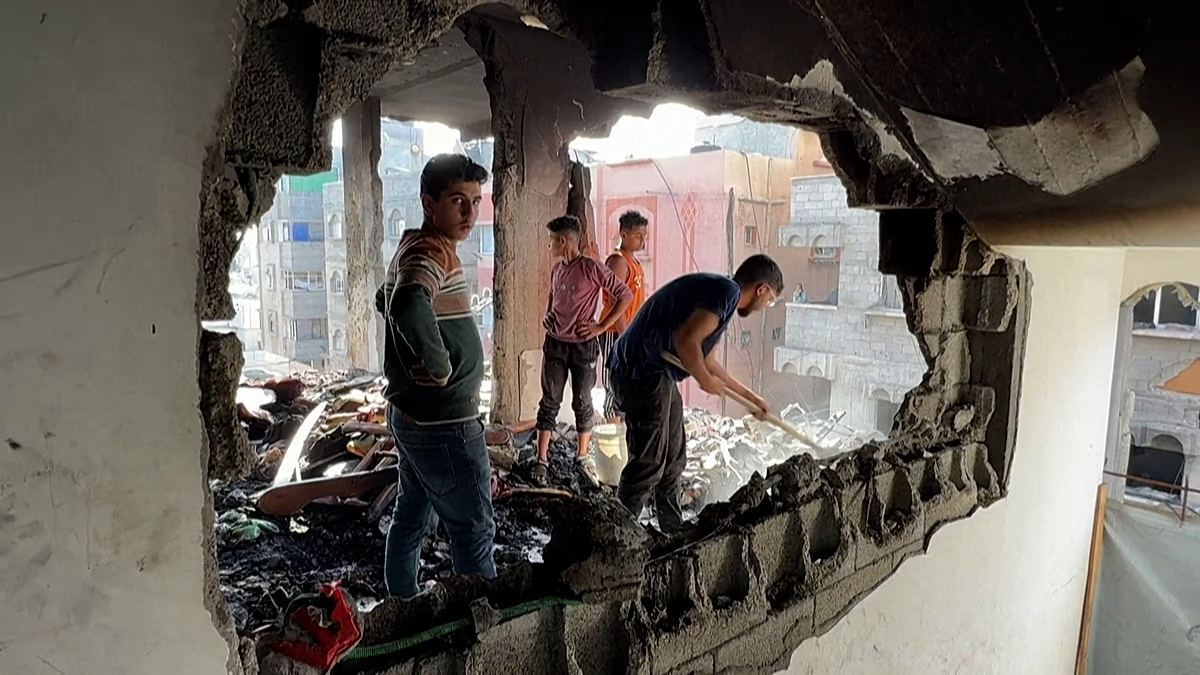
The predawn silence was shattered by the impact, leaving streets littered with concrete, shattered glass, and the fragments of daily life. As emergency crews rushed toward reports of fire and casualties, families and neighbors emerged into the dusty darkness, their world transformed in an instant. The strike, occurring around 2 a.m., ignited scenes of profound panic, not just of immediate danger but of a terrifying uncertainty—who was under the rubble? What was left to return to? In the harsh morning light, the scale of the destruction became clearer: several sections of the residential building were severely damaged, and the familiar landscape of their neighborhood was now a chaotic testament to violence. The human response was immediate and raw, as residents began the heartbreaking task of clearing rubble with their bare hands, sifting through damaged belongings not for valuables, but for photographs, documents, and the small, precious tokens that anchor a sense of home and identity.
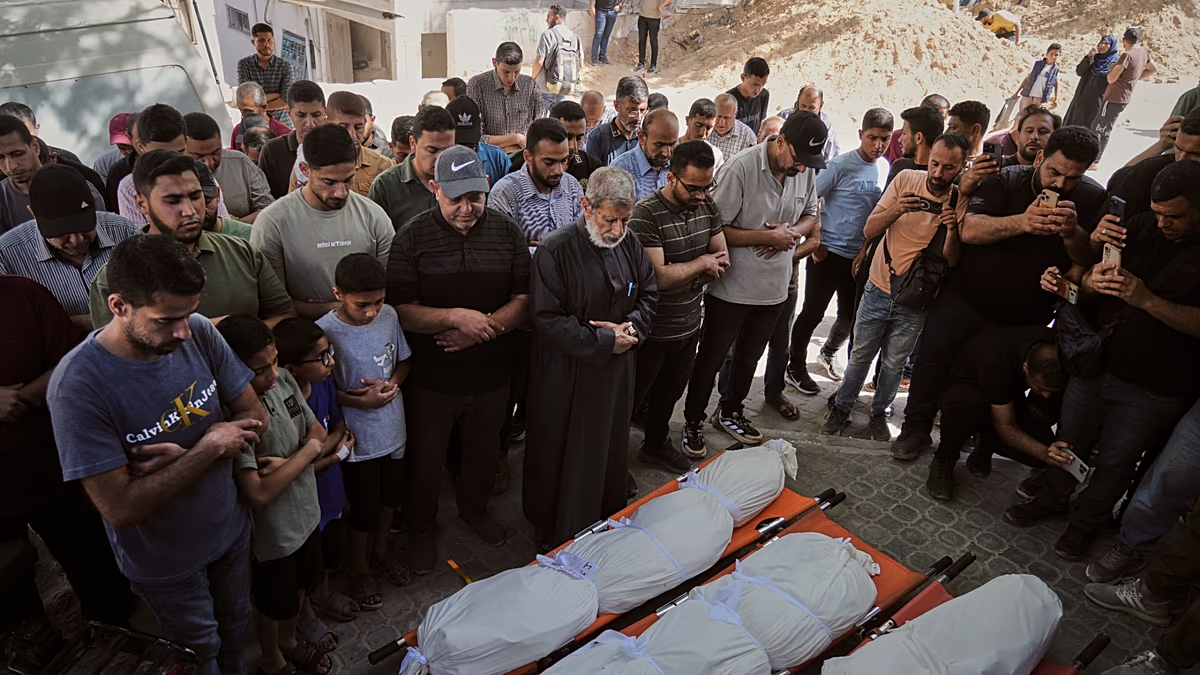
As children looked on, too young to fully comprehend the loss but deeply affected by the fear and disruption, families huddled together near the wreckage of their homes. The collective gathering was not merely procedural; it was a desperate act of community, a search for comfort and shared strength in the face of obliteration. The physical damage to buildings and infrastructure, while stark, tells only part of the story. Relatives of those affected spoke of the simultaneous destruction of homes, personal possessions, and livelihoods—a triple blow that deepens the crisis from one of survival to one of erased futures. Each destroyed shop, each lost sewing machine or toolbox, each inventory of goods turned to ash, represents not just a present hardship but the crushing of the means to rebuild tomorrow. These are losses that humanitarian aid, focused on immediate food and shelter, cannot easily replace, compounding the psychological and economic trauma.
This latest strike arrives amid a backdrop of repeated international discussions and diplomatic murmurs about potential ceasefires and efforts to end the protracted conflict. Yet, for the residents sifting through the debris, the chasm between high-level talks and their ground-level reality feels absolute and insulting. They voice a piercing, logical question: How can there be serious talk of an end to the war while airstrikes remain a relentless, daily reality in their neighborhoods? The dissonance breeds a deep cynicism and a feeling of abandonment, as if their ongoing suffering has become a normalized background to political maneuvering. Each explosion underscores the perception that diplomatic cycles are disconnected from the human cost, that “peace processes” are abstract concepts that do little to stop the actual bombs that fall in the night.
The incident is a stark microcosm of the broader, grinding humanitarian impact that defines life across Gaza. It highlights how residential areas continue to bear the overwhelming consequences of military operations, becoming the front lines in a conflict that displaces and re-displaces people with exhausting frequency. Families who may have already fled violence elsewhere once or twice before now find their latest refuge attacked, forcing them onto a harrowing journey of finding yet another temporary shelter. This repeated displacement unravels the very fabric of community and stability, creating a pervasive state of rootless anxiety where no place feels safe, and no progress can be sustained. The trauma is cumulative, building with each forced move and each lost sanctuary.
Ultimately, the scene of families clearing rubble under a cloud of dust and despair is not an anomaly; it is a recurring tableau in a prolonged crisis. The ongoing fighting, despite diplomatic overtures, ensures that the humanitarian needs spiral far beyond the immediate emergency response. The challenge grows from treating wounds and providing tents to addressing profound mental scars, the collapse of local economies, and the shattered educational and health infrastructures that support a society. The resilience of civilians is tested beyond conceivable limits, as they are asked to endure the intolerable while hearing distant promises of a peace that never seems to arrive.
In the end, the story of this single strike is the story of countless others. It is a narrative of profound loss that extends from physical possessions to a sense of future possibility. The gathered neighbors, the children clinging to parents, the firefighters battling blazes amidst the wreckage—they all embody a desperate plea for an end that is not just written on paper but felt in the sudden, blessed silence of a night without explosions. Their daily reality stands as the most urgent critique of a stalled peace, a reminder that until the violence stops, talk of resolution will ring hollow over the sound of falling debris and the quiet sobs of those who have lost everything, yet again.