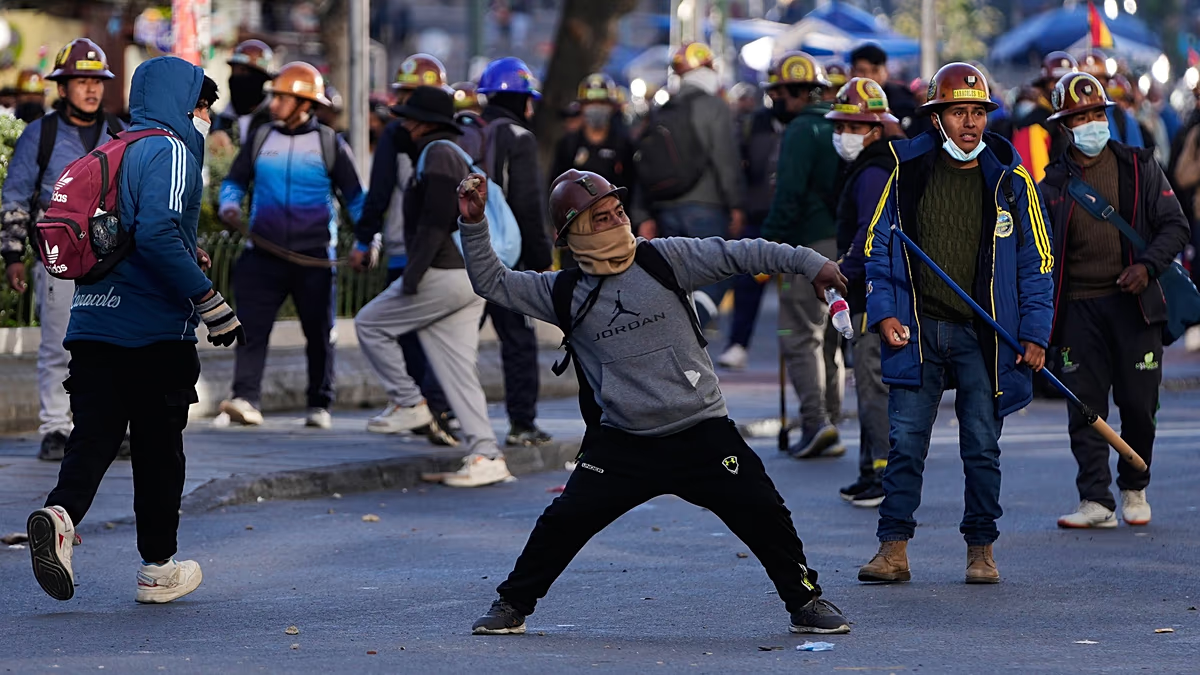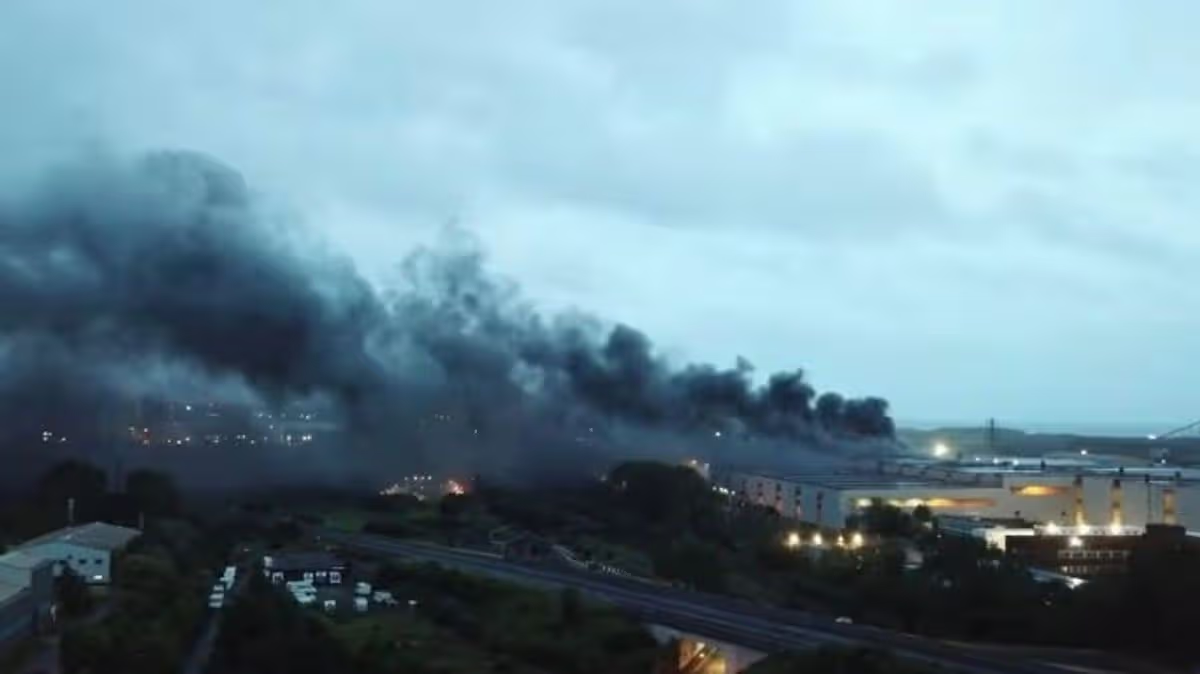




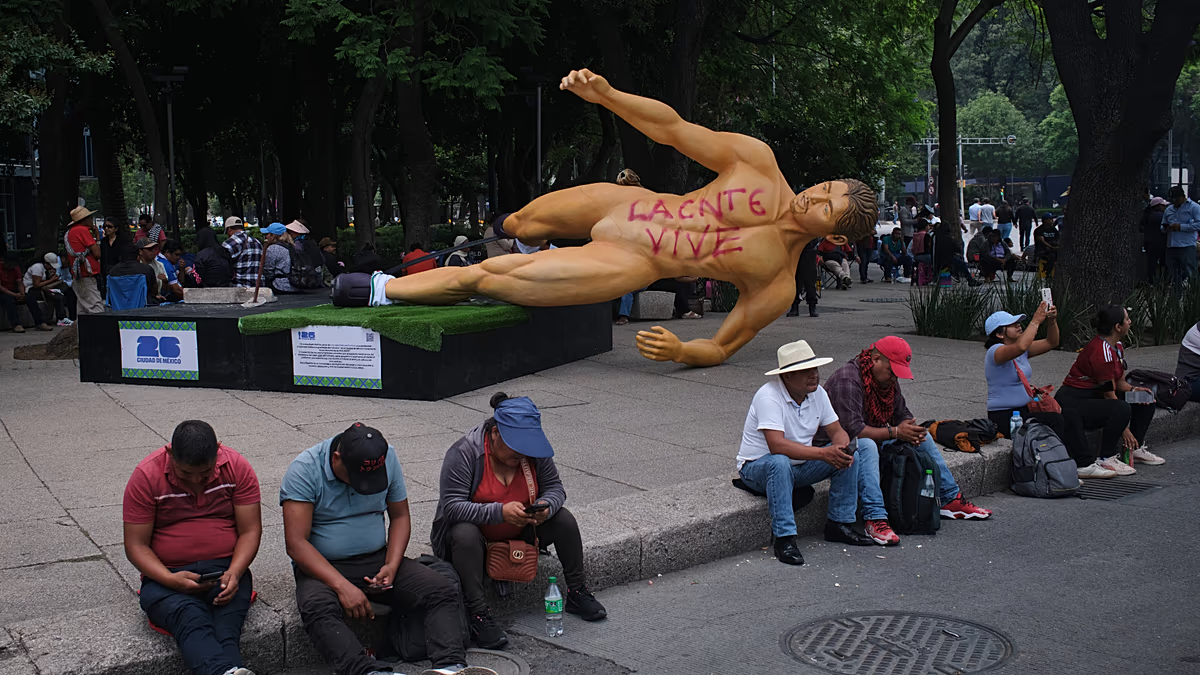
The vibrant energy of Mexico City, a metropolis accustomed to the rhythms of daily life and grand spectacle, was disrupted on Tuesday by a dramatic act of protest. A group of teachers belonging to the dissident CNTE union, armed with ropes and a deep-seated frustration, converged on the iconic Paseo de la Reforma. On this grand, skyscraper-lined boulevard, decorated for the impending global celebration of football, they enacted a symbolic and startling protest. One by one, they toppled several statues of football players, monumental figures installed to welcome the World Cup. In a gesture of profound rejection, some of these sculptures were then stripped and set ablaze, their flames a stark contrast to the polished corporate facades surrounding them. This was not an attack on the sport itself, but a calculated act of theater, using the world’s stage to amplify a long-simmering local grievance.
This explosive action is rooted in a protracted and deeply personal conflict over teachers’ livelihoods. The dispute centers on core demands for a significant, 100% salary increase and firm resistance to proposed government pension reforms that educators fear will leave them vulnerable in retirement. The chasm between their needs and the government’s formal offer—a reported 9% raise—is vast, representing not just a fiscal gap but a perceived gulf in respect and understanding. For these teachers, many of whom face the daily challenges of underfunded classrooms and rising living costs, the statues symbolize immense financial expenditure and global attention lavished on a fleeting event, while their own cries for a sustainable future seem to go unheard. The contrast between gleaming athlete statues and their own economic precarity proved too potent a symbol to ignore.
The timing of the protest is therefore no coincidence; it is a strategic gambit born of desperation. With the eyes of the world beginning to turn toward Mexico City for the World Cup opening on June 11th, the teachers seized a moment of maximum visibility. Their message is clear: if our fundamental needs for fair pay and a secure retirement are sidelined, we will not quietly fade into the background during the festivities. They have explicitly promised further demonstrations, directly threatening to cast the shadow of domestic unrest over the international tournament. This sets the stage for a tense standoff, placing the government in a difficult position of balancing global image with domestic stability, and forcing a global audience to witness a local struggle.
Tensions were already palpable in the capital prior to the statue-toppling. Earlier on Tuesday, near the historic Zocalo plaza—a site slated for official fan events and celebrations—police had deployed tear gas to disperse related teacher protests. This use of force underscores the government’s determination to maintain order and protect the planned World Cup activities, but it also highlights the risk of escalation. Each canister of tear gas risks deepening the resolve of the protesters, transforming peaceful marches into more volatile confrontations. The burnt statues on Reforma now stand as physical evidence of how quickly symbolic protest can escalate when dialogue fails and a sense of injustice festers.
The path forward is fraught with uncertainty. The government faces immense pressure to ensure the World Cup proceeds smoothly, a task now complicated by the explicit promise of more protests during the tournament itself. The teachers, feeling their profession and their futures are under threat, see the global event as their most powerful—and perhaps final—leverage. This creates a volatile dynamic where the celebration of global unity through sport is set against a backdrop of local discord. The world may arrive expecting a festival of football, but it will also encounter a nation grappling with a fundamental question of priorities: how to honor its commitments to its citizens while hosting a global party.
Ultimately, the felled statues on Paseo de la Reforma are more than just damaged property or a public order issue; they are a powerful metaphor. They represent the collision between global spectacle and local reality, between celebration and struggle. The teachers, in their dramatic action, have forced an uncomfortable conversation into the open, ensuring that amidst the cheers for athletic heroes, the voices calling for dignity, fair compensation, and respect for educators will also be heard. The success of the World Cup for Mexico may now be measured not only in goals scored and games hosted, but in how it navigates this profound domestic challenge playing out on its own streets.