
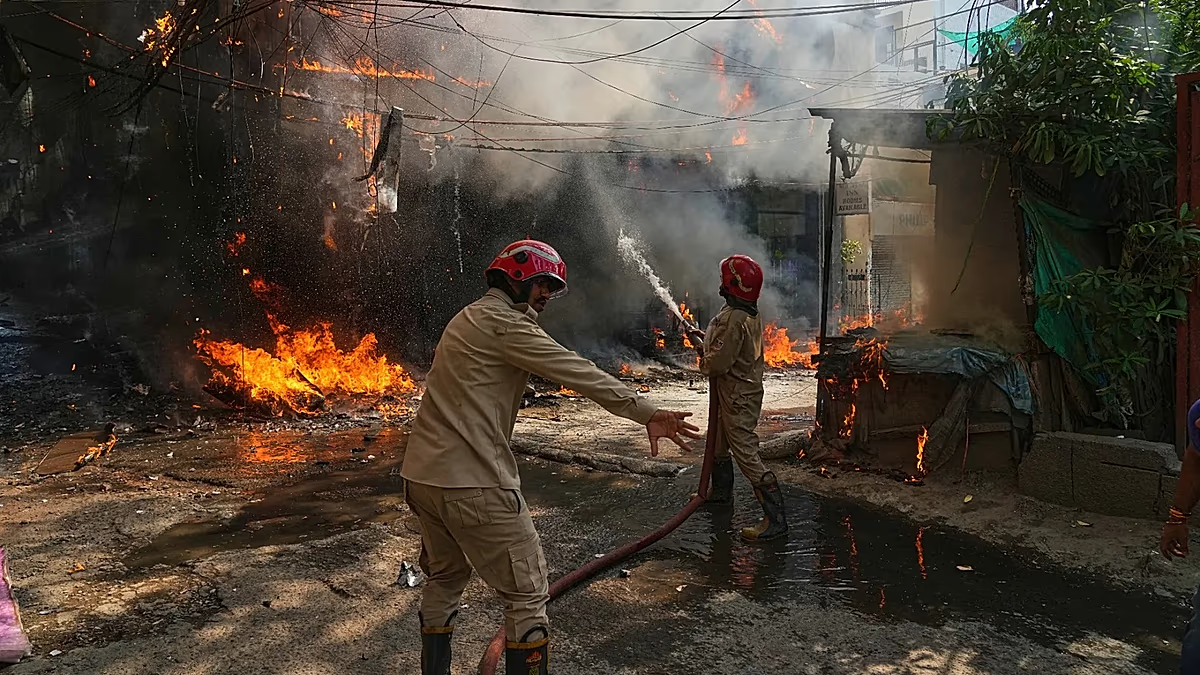


Tragedy struck the heart of India’s capital on Wednesday morning, as a fierce fire consumed the Flourish Stay hotel, a bed-and-breakfast nestled within a densely packed neighbourhood of South Delhi. The blaze, which erupted during the early hours, swiftly transformed the building into an inferno, with television broadcasts showing horrifying images of flames clawing at the windows and dense, black smoke billowing into the sky. In the chaotic aftermath, Delhi Police confirmed the grim toll: at least 21 lives were lost in one of the deadliest fires the city has witnessed in recent years. The victims were not just statistics; local reports, citing officials, indicated that several were foreign nationals, many from Central Asia and Africa, who had travelled to New Delhi seeking crucial medical treatment. This detail added a profound layer of global sorrow to the incident, as families thousands of miles away received the devastating news.
The human cost of the disaster extended far beyond the fatalities. Authorities reported that more than 40 individuals were rushed to nearby hospitals for emergency care, with at least eight fighting for their lives in critical condition. Eyewitness accounts and local lawmaker Satish Upadhyay revealed that approximately 47 guests were inside the hotel when the fire began, prompting scenes of both desperation and bravery. As firefighters battled the intense flames with eight fire engines, and ambulances converged on the scene, ordinary citizens became impromptu rescue workers. Locals, hearing cries for help, rushed to assist, laying out a grim but life-saving strategy. Mohammad Anees, a resident, described how they quickly fetched mattresses from a neighbouring bedding shop to create makeshift landing pads on the street below, allowing five trapped women on the upper floors to summon the courage to jump to relative safety.
This act of community heroism, however, highlighted the severe safety failings that may have contributed to the scale of the catastrophe. Preliminary reports from the scene suggested the hotel operated with alarmingly inadequate safety measures, including having only a single entry and exit door and a lack of proper ventilation—a deadly combination in a fire emergency. These conditions likely turned the building into a trap for those inside. Lawmaker Upadhyay pledged an immediate inquiry, stating unequivocally that anyone found responsible for violating building and safety norms would face arrest. The incident has ignited urgent questions about enforcement and accountability, pointing to a systemic and tragic pattern of neglect in urban safety standards across India.
The cause of the blaze remains under investigation, but it fits a devastatingly familiar pattern in a country where building fires are tragically commonplace. Experts frequently cite a combination of factors: a chronic shortage of modern firefighting equipment in many municipalities, widespread disregard for safety regulations, and aging, overloaded electrical systems. Electrical short circuits, often stemming from poorly maintained wiring, are a leading cause of such tragedies. This latest fire in Delhi echoes other recent disasters, including a March blaze at a government hospital in eastern India that killed ten patients, and a 2019 factory fire in Delhi’s old quarter that claimed the lives of 43 workers who were sleeping inside. Each event serves as a harrowing reminder of the human cost of compromised safety.
In the wake of the tragedy, condolences poured in from across the nation. Prime Minister Narendra Modi expressed his grief, calling the loss of life “tragic” and offering his sympathies to the bereaved families. Yet, beyond the official statements, the incident leaves a community and a nation grappling with a preventable loss. The victims, many of whom were vulnerable individuals seeking healing and care far from home, met a cruel and abrupt end. Their stories underscore a universal need for dignity and security, principles that failed them in their moment of need.
Ultimately, the fire at the Flourish Stay hotel is more than a news headline; it is a profound human tragedy and a stark warning. It represents the extinguished hopes of patients seeking treatment, the shattered lives of families across continents, and the frantic, fleeting courage of those who jumped for survival. As investigations proceed and officials promise action, the memory of this day demands more than fleeting accountability—it calls for a sustained, nationwide commitment to upholding the most basic standards of safety. For the victims, it is too late; but for the future, ensuring such a disaster is never repeated is the only meaningful tribute possible.