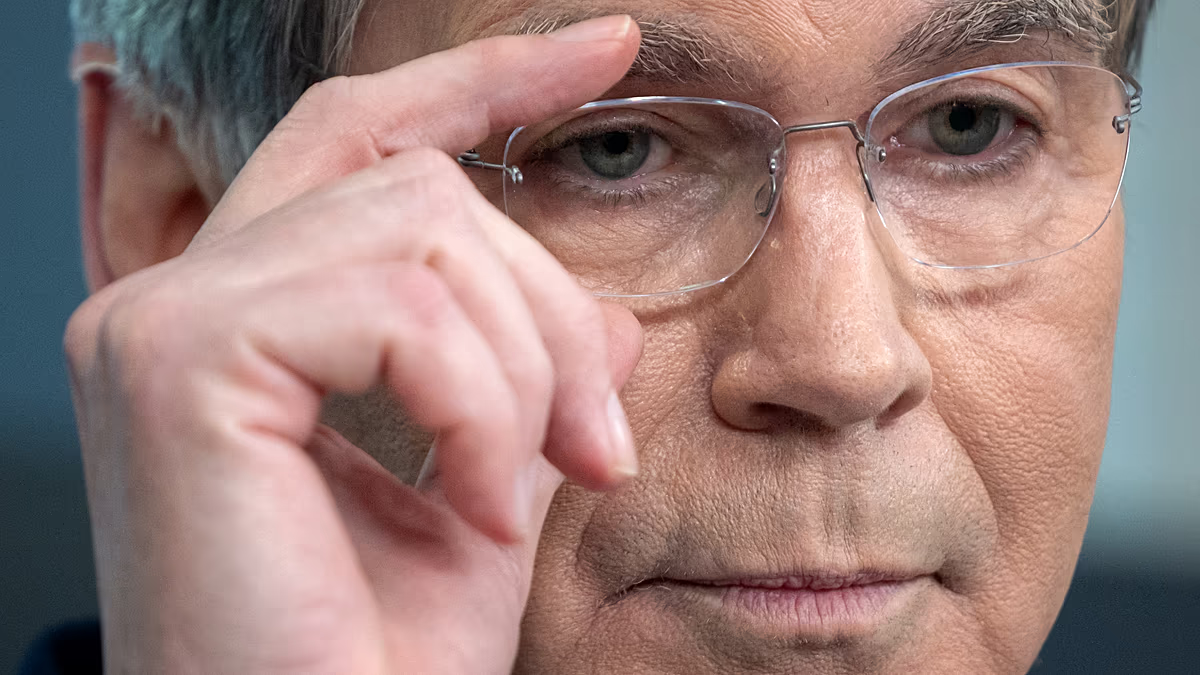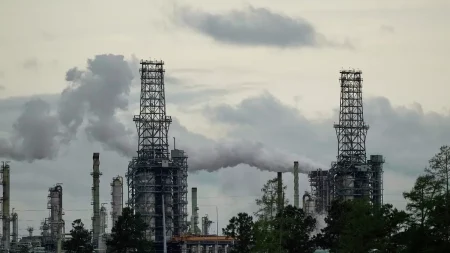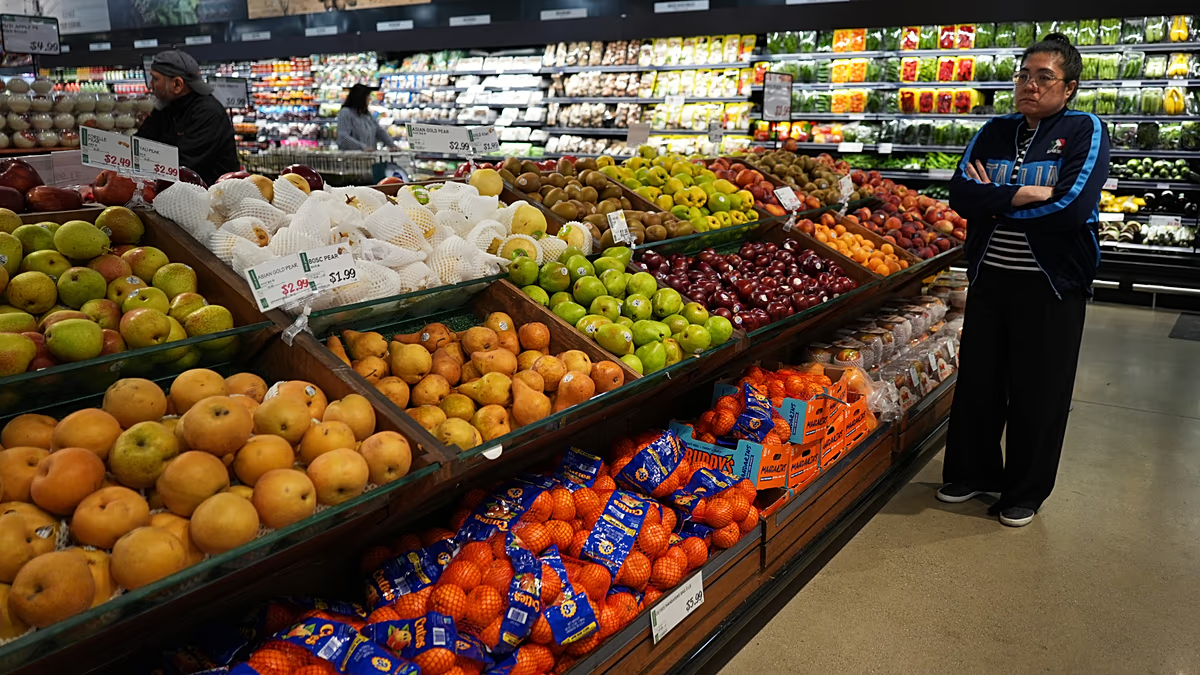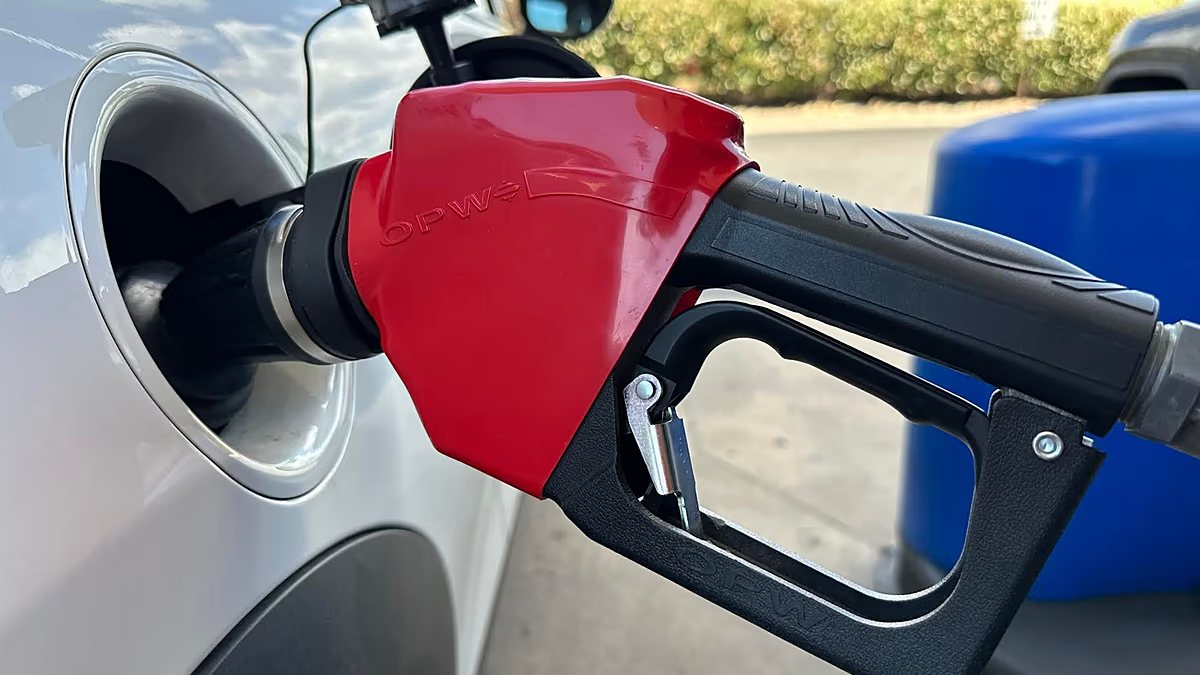



The ongoing conflict in the Middle East poses a severe and direct threat to the economic stability and social fabric of the European Union, with European Commissioner for Jobs, Roxana Mînzatu, issuing a stark warning. During the presentation of the EU’s 2026 Spring Semester Package, she revealed that up to 1.3 million jobs across the bloc are now at risk. This alarming figure is primarily concentrated in energy-intensive industries, such as manufacturing and chemicals, which are being squeezed by soaring energy prices triggered by the war. Beyond the staggering job numbers, Commissioner Mînzatu underscored a profound social concern: these increased costs will fall most heavily on lower-income households, exacerbating inequality and hardship. She urgently called on all 27 member states to implement targeted measures to shield these vulnerable groups, framing the crisis not just as an economic shock but as a test of Europe’s social solidarity.
This sobering assessment was delivered within the context of the European Commission’s bi-annual guidance document, which outlines the bloc’s economic priorities. The data underpinning the warning is clear; the conflict has already tangibly slowed European economic growth while simultaneously driving inflation higher. A significant challenge identified in the package is the sharp disparity in how different EU nations are experiencing these effects, with growth and inflation rates varying wildly. This uneven impact threatens to fragment the single market and undermine the collective competitiveness of the EU, making a coordinated response not just preferable but essential. The crisis thus acts as a painful amplifier of existing weaknesses within the European economy.
In response to these immediate threats and longer-term challenges, the Semester Package dedicates significant attention to the future of Europe’s workforce. A central pillar is the promotion of quality jobs and a concerted effort to tackle persistent, critical shortages of skilled workers. The document identifies strategic sectors like cybersecurity, artificial intelligence, quantum computing, and semiconductors as being in particularly desperate need of talent. Commissioner Mînzatu provided a striking statistic to illustrate the scale of the problem: 77% of European companies report that skill shortages are a major barrier to investment. Crucially, she linked this economic issue directly to social policy, arguing that poor working conditions are a primary driver of these shortages. Her message was unequivocal: Europe cannot hope to attract the talent it needs, fill vacant positions, or improve livelihoods without a foundational commitment to ensuring good, fair, and attractive work for its people.
This focus on skills and jobs is intrinsically tied to a broader, overarching ambition that has defined the current European Commission’s mandate: supercharging the EU’s global competitiveness. With geopolitical tensions rising, President Ursula von der Leyen has placed this goal at the very top of the agenda. The latest Semester Package is a blueprint for this competitive push, detailing how Europe must strengthen its position on the world stage. Key strategies include reducing lingering barriers within its own single market, fostering a more welcoming environment for businesses and investment, and decisively reducing strategic dependencies on other global powers, notably China and the United States. The vision is for a more resilient, self-reliant, and agile European economy.
To translate this vision into reality, the Commission is advocating for a multi-pronged approach at the national level. It is urging member states to adopt more robust and coherent industrial policies, to make deeper investments in integrating capital markets, and to pursue a sweeping “simplification agenda.” This latter initiative aims to cut the suffocating red tape that burdens both private companies and public administrations, freeing up energy for innovation and growth. In parallel, the Commission is working to accelerate essential economic reforms at the EU-wide level. However, the document acknowledges a perennial hurdle: the pace and success of these reforms heavily depend on the political will and capacity of individual member states to implement them. This coordination challenge remains a significant obstacle to a fully unified European response.
In conclusion, the 2026 Spring Semester Package presents a European Union at a critical juncture, buffeted by an immediate external crisis while striving to address deep-seated internal challenges. The war in the Middle East is not a distant event but a direct catalyst for potential job losses and social strain within Europe. The Commission’s response seeks to bridge the urgent and the long-term: cushioning the blow from energy price shocks while relentlessly focusing on upskilling the workforce, improving job quality, and enhancing overall competitiveness. The path forward demands a delicate balance—immediate, targeted support for those at greatest risk today, coupled with unwavering commitment to the strategic investments and reforms needed for tomorrow. The success of this dual effort will ultimately determine not only the EU’s economic resilience but also the strength of its social contract in an increasingly uncertain world.