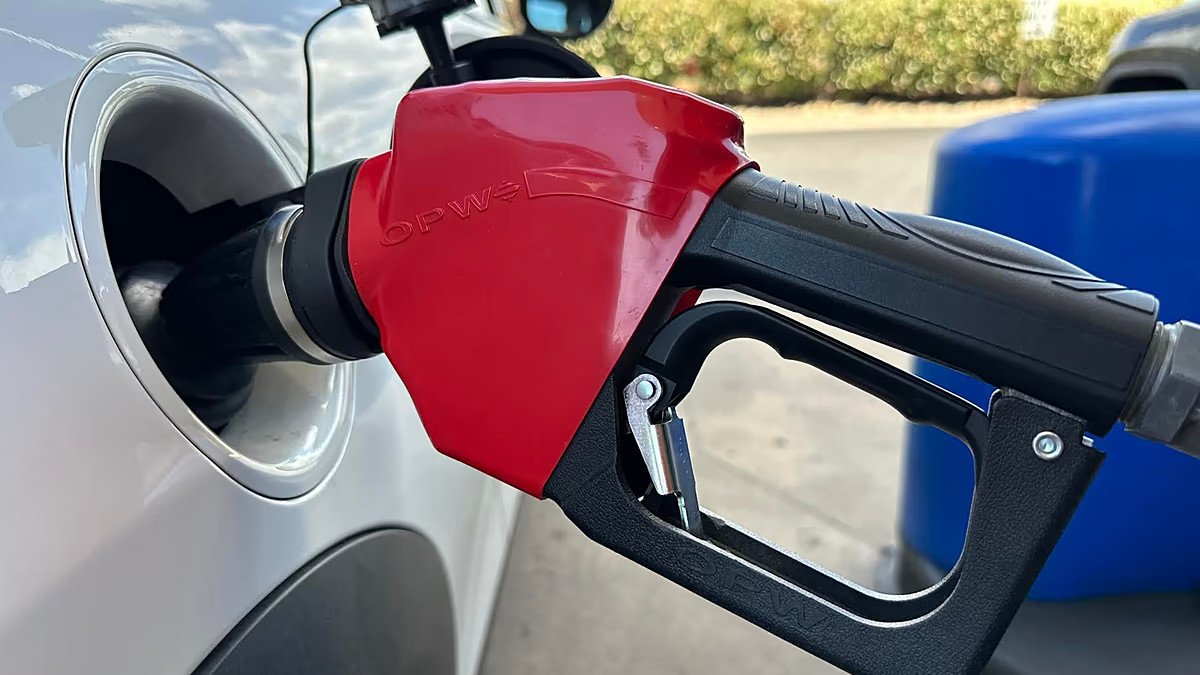



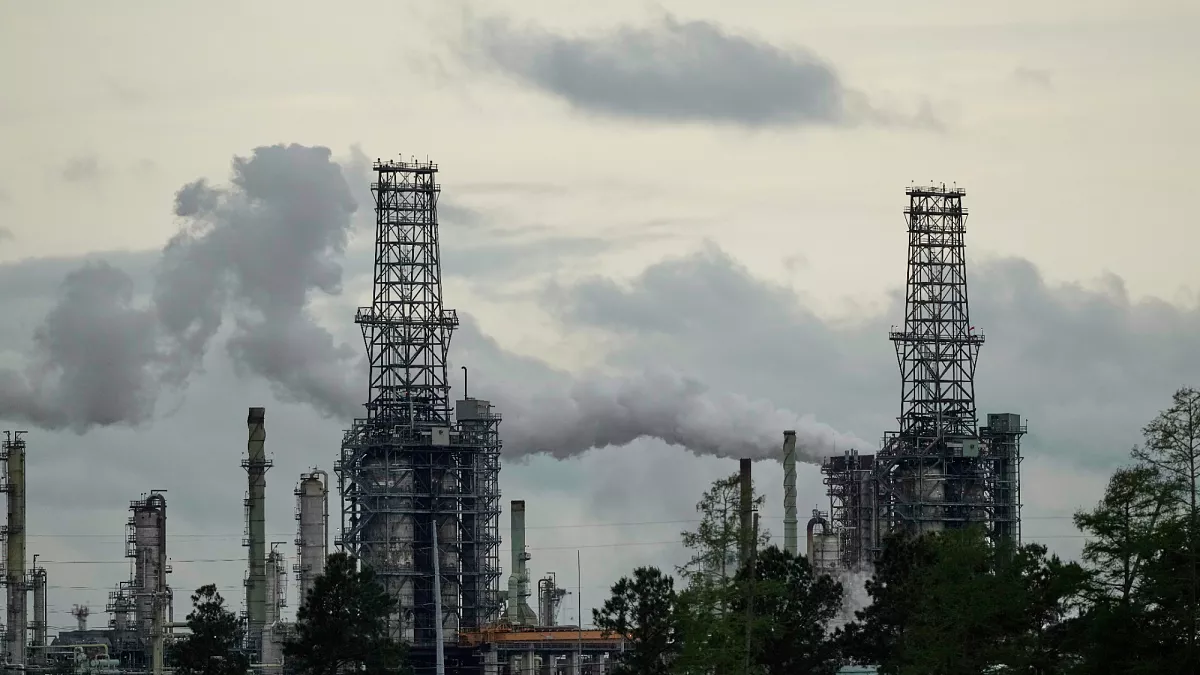
The weekend’s escalation of military tensions in the Middle East sent immediate shockwaves through global financial markets as Monday dawned in Asia. Israeli troops advanced deeper into Lebanon, despite a ceasefire nominally in place since April and just days before scheduled peace talks between the two nations. This move starkly underscored the fragility of the region’s diplomatic efforts and directly ignited investor fears that the conflict could spiral into a wider regional war, rather than progress toward resolution. The most visceral market reaction was seen in the oil markets, where crude prices surged in early trading. Brent crude, the global benchmark, rose to over $93 per barrel, while West Texas Intermediate climbed past $89. This jump reflects the enduring reality that the Middle East remains a critical flashpoint for global energy security; any threat to stability in a region so central to world oil production triggers a reflexive flight to safety and speculation about potential supply disruptions.
While oil markets reacted with alarm, the picture across Asia-Pacific equity markets was fragmented and mixed, illustrating the complex interplay of local and global forces. South Korea’s Kospi posted a solid gain, and Hong Kong’s Hang Seng also rose, but Japan’s broader Topix index and mainland China’s CSI 300 dipped. A standout performer was Tokyo-listed SoftBank Group, which surged following an announcement of a massive €45 billion investment plan to develop AI infrastructure in France. This news highlights a continuing global narrative: the relentless drive toward technological advancement, particularly in artificial intelligence, remains a powerful engine for specific corporate and national ambitions, even against a backdrop of geopolitical unease.
Across the Pacific, the American market story has been one of remarkable and sustained strength, largely divorced from the immediate geopolitical tensions. Wall Street entered Monday on a flat note after another record-breaking performance on Friday, extending a winning streak that has become historic. The S&P 500 has notched its ninth consecutive winning week, a feat not seen since 2023, and the Dow Jones and Nasdaq Composite have similarly scaled new peaks. This relentless climb, however, has not been a broad-based rally. It has been overwhelmingly propelled by a narrow cohort of big technology stocks. Their enormous market valuations give them outsized influence, and in May alone, tech stocks within the S&P 500 soared more than 15%, while most other sectors actually lost ground. As one strategist noted, the rally has been “largely tech-led,” raising valid questions about its sustainability and breadth.
The concentration of market gains in technology underscores a critical divergence in the current economic landscape. Investor optimism appears heavily anchored in the perceived limitless growth potential of AI and related technologies, as evidenced by the market’s celebration of companies like Microsoft and Broadcom, which powered Friday’s gains. This faith in a tech-driven future contrasts sharply with the anxiety generated by traditional geopolitical risks, such as the conflict in the Middle East. It creates a strange duality: markets can simultaneously fret over oil prices spiking due to war and celebrate record highs based on semiconductor demand. This suggests that, for many investors, the long-term narrative of digital transformation currently outweighs the episodic shocks of international conflict.
Nevertheless, the surge in crude prices serves as a potent reminder that geopolitical events retain the power to disrupt global economic stability. The Middle East conflict touches directly on the fundamental commodity of oil, which influences production costs, inflation expectations, and consumer sentiment worldwide. If the situation escalates further, the resulting energy market volatility could eventually puncture the insulated optimism of the tech rally. Higher fuel costs act as a tax on the entire economy, potentially slowing growth and squeezing corporate profits outside the tech sphere. The question for markets is whether the dazzling profits and promise of a handful of tech giants can continue to lift the entire index if the broader economic environment begins to sour under pressure from external shocks.
In conclusion, the Monday market activity painted a picture of a world at a financial crossroads. One path is illuminated by the dazzling, concentrated light of technological innovation and AI ambition, driving record-breaking stock market performances in the West. The other path is shadowed by the old, grim realities of territorial conflict and resource insecurity, pushing commodity prices higher and threatening broader stability. For now, these narratives are running parallel. The resilience of the record-setting tech rally will ultimately be tested by its ability to withstand pressures from the other, more volatile side of the world’s ledger. Investors are left navigating a landscape where faith in the future is constantly measured against fear of the present.