



Summary of Recent Food Safety Recalls Affecting UK Supermarkets
In recent days, consumers across the United Kingdom have been alerted to two significant food recalls initiated by major supermarket chains. The Food Standards Agency (FSA), the national body responsible for food safety, has issued urgent warnings concerning specific products sold at Tesco, Waitrose, and Morrisons. These recalls are critical public health notices, designed to protect consumers from potential harm, and underscore the rigorous safety protocols in place within the food industry. Customers who have purchased the implicated items are strongly advised not to consume them and to follow the recommended steps for returning the products to receive a full refund, no receipt necessary.
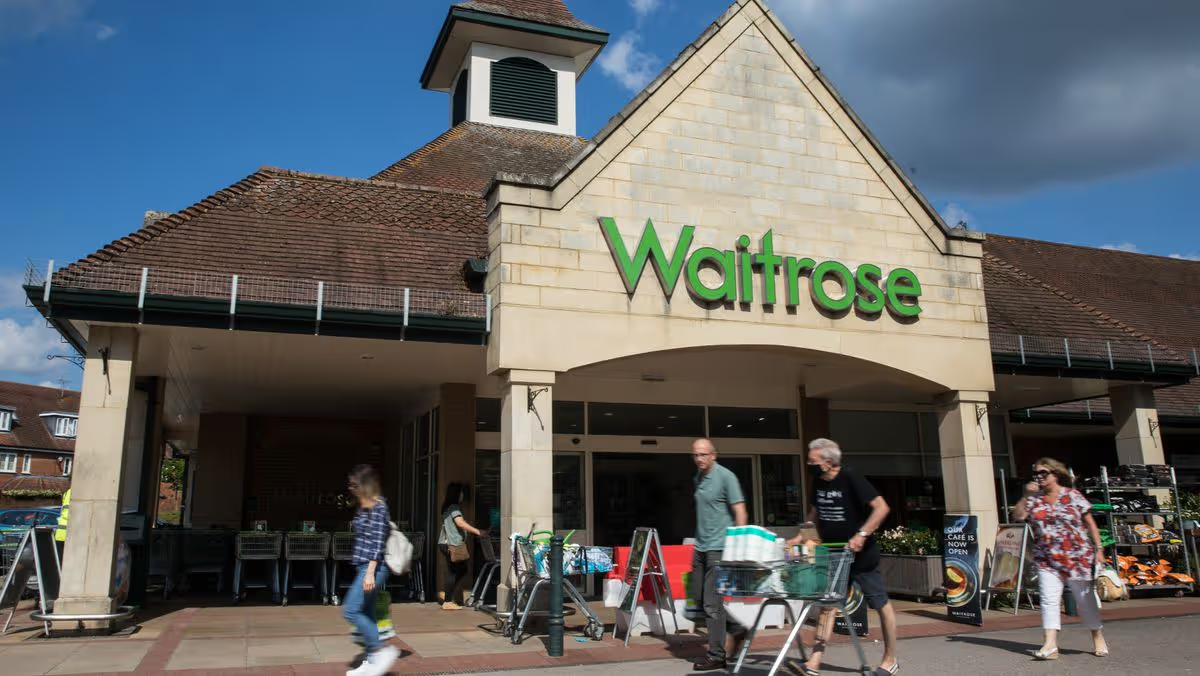
The first recall involves a popular branded dessert. Gü, a well-known manufacturer of indulgent desserts, has initiated a precautionary recall of its Double Sea Salted Caramel Frozen Dessert. This product was available for purchase at both Tesco and Waitrose supermarkets. The reason for the urgent “do not eat” alert is a serious labelling error: the product may contain undeclared hazelnuts and soya. These allergens are not listed on the packaging, posing a significant risk to individuals with allergies or intolerances to these ingredients. The company has identified the affected batch by its lot number (126135) and a best-before date of June 30, 2027. While Gü estimates that fewer than ten units are impacted, they have enacted the recall as a precautionary measure, demonstrating a commitment to consumer safety even when the potential scale of the issue is small.
For consumers who have purchased this specific Gü dessert, the guidance is clear and emphatic. Anyone with an allergy to hazelnuts (nuts) or soya must not consume the product. The company advises that it should be returned to any Tesco or Waitrose store for a full refund. Gü has stated that it has already contacted relevant allergy support organisations to amplify the warning and has strengthened its internal allergen and packing controls to prevent a recurrence. This incident highlights the vital importance of accurate food labelling and the potentially severe consequences of errors, particularly for the millions of people in the UK managing food allergies.
Separately, Morrisons supermarket has issued a recall for its own-brand Morrisons Savers Cashews (125g packs). This recall is due to a potential physical contamination risk: the product may contain fragments of glass. Such a defect presents a clear danger of physical injury if consumed. The affected batches are identifiable by specific best-before dates: 9 August, 6 September, 26 September, 28 September, and 9 October of this year. Morrisons has acted swiftly to remove these items from sale and has instructed all its retail stores to display point-of-sale notices informing customers of the recall and the necessary actions to take.
Customers who have bought these Morrisons Savers Cashews are urged not to eat them. Instead, they should return the product to their nearest Morrisons store to receive a full refund. The supermarket has apologised for the inconvenience and reassured the public that no other products in its range are affected by this particular issue. This recall underscores that food safety concerns can arise from various hazards, not just allergenic ingredients, and that retailers have a responsibility to respond promptly to any potential threat to consumer wellbeing.
In both cases, the Food Standards Agency plays a crucial coordinating role, publicising the recalls and providing a central source of authoritative advice. The common instruction for consumers is straightforward: if you possess either of these products from the specified batches, do not consume them. Taking them back to the relevant supermarket—Tesco or Waitrose for the Gü dessert, or Morrisons for the cashews—will ensure a full and hassle-free refund. These events serve as an important reminder for shoppers to remain attentive to official food alerts, which are essential tools for safeguarding health. They also reflect the food industry’s procedural responsibility to act with transparency and urgency when product safety cannot be guaranteed, prioritising consumer protection above all else.