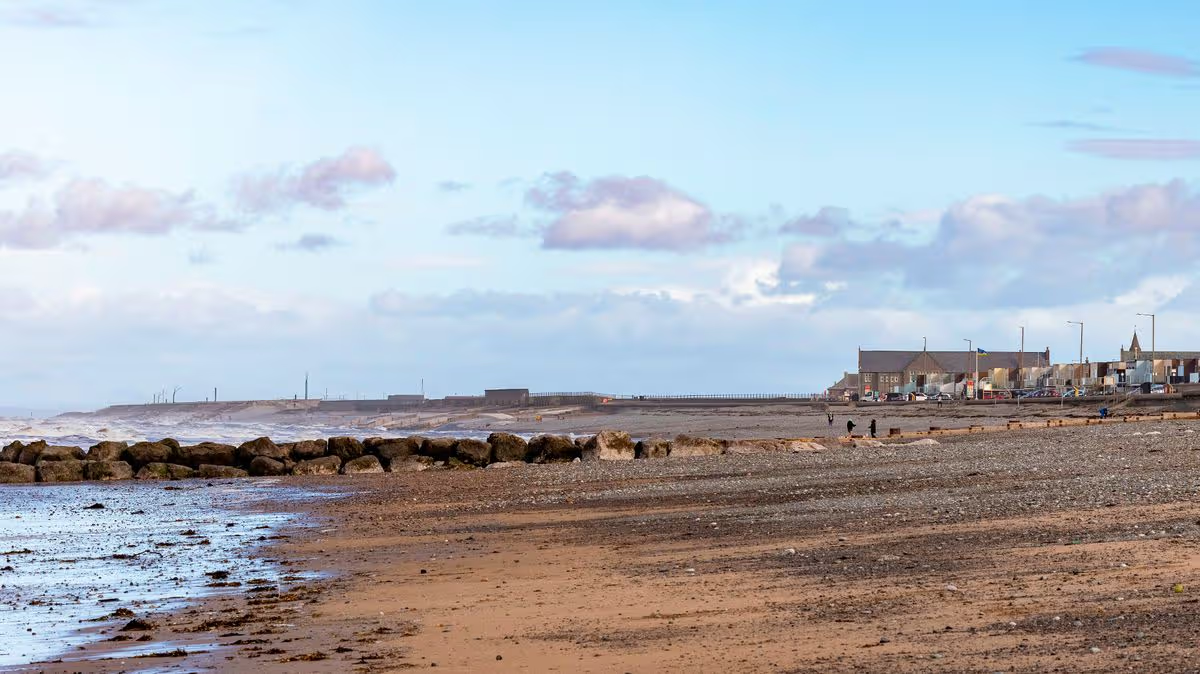




A heart-wrenching tragedy unfolded on the coastline of Lancashire over the weekend, casting a pall over the community and serving as a stark reminder of the hidden dangers that can accompany even the most familiar and cherished places. On Saturday evening, near the popular Fleetwood Beach Cafe in Thornton-Cleveleys, a woman in her 60s lost her life in a desperate attempt to save her beloved pet dog. According to Lancashire Police, the woman and a man, also in his 60s, entered the water after their dog became stuck in the sea. In a devastating turn of events, both individuals themselves got into severe difficulty. Despite the swift response of emergency services, including HM Coastguard who recovered them from the water, the woman could not be saved. She was treated at the scene but was pronounced dead at hospital. The man remains in a critical condition, fighting for his life. In a bittersweet conclusion to the rescue effort, the dog was recovered from the sea safe and well.
This incident, reported by LancsLive, highlights the profound and often instinctual bond between humans and their pets, a bond that can compel individuals to act with extraordinary courage in moments of crisis. The depth of this loyalty is universally understood; for many, a pet is not merely an animal but a family member, a constant companion whose well-being is paramount. The immediate impulse to intervene, to leap into action without hesitation, is a testament to this love. Yet, the cruel irony of this particular story is that the very act of unconditional love led to catastrophe. The sea, especially along the British coast where conditions can change with alarming speed, is an environment that demands respect and preparedness, often presenting risks that are invisible to the untrained eye—such as sudden drops in temperature, powerful undercurrents, or unexpected changes in the tide.
The broader context of this loss makes it even more poignant and alarming. Authorities noted that this tragic event comes after at least 15 water-related deaths during the recent spell of hot weather across the UK. Periods of warm weather often draw people to rivers, lakes, and coastal areas, seeking relief and recreation. However, this increased activity coincides with heightened risks. Cold water shock can occur even in seemingly mild conditions, swiftly incapacitating even strong swimmers, and the allure of a calm surface can mask dangerous currents below. This pattern of fatalities underscores a critical public safety message: water, while inviting, is inherently unpredictable and requires constant vigilance. The collective grief from this weekend’s incident is therefore amplified by the recognition that it is part of a wider, preventable pattern of loss.
Behind the official statements from Lancashire Police—which confirm there are no suspicious circumstances and that a file will be passed to the coroner—lies a narrative of profound human sorrow. The police spokesperson’s mention that “enquiries to identify her next of kin are ongoing” is a sobering administrative detail that points to the personal devastation now unfolding for a family. They are left to grapple with the sudden, violent rupture of a life shared, likely compounded by the traumatic nature of the event. The man fighting for his life in hospital represents a second wave of anguish, leaving loved ones suspended in a state of fearful uncertainty. The community of Thornton-Cleveleys, and indeed all who hear this story, are reminded of the fragility of life and the way tragedy can emerge from the most ordinary of days—a evening walk with a dog along a beloved beach.
In the aftermath, the survival of the dog introduces a complex emotional dimension. The pet, now safe, is a living reminder of the love that motivated its owners, but also a silent witness to the price paid for its rescue. This aspect of the story prompts difficult reflections on risk assessment and personal safety. While the heroic impulse is deeply human, safety advocates and coastal rescue organizations consistently warn against entering the water in distress situations unless one is trained, equipped, and has a clear plan. The recommended course is to call emergency services immediately, as they possess the training and resources to perform such rescues safely. This is not a critique of the victims’ actions, which were undoubtedly driven by love and urgency, but a painful lesson born from their sacrifice, aimed at preventing future tragedies.
Ultimately, this event is a sobering mosaic of love, loss, and the unforgiving power of nature. It celebrates the depth of human compassion, mourns a life given in an act of protection, and warns of the environmental hazards that demand our respect. As the coroner’s investigation proceeds and the community mourns, the hope is that this story will resonate beyond the immediate grief, reinforcing essential messages about water safety during warmer months. The memory of this woman, whose name we do not yet know but whose final act speaks volumes about her character, should also serve as a call for increased public awareness. Her tragic death, alongside the critical condition of her companion, underscores that the greatest acts of love must sometimes be tempered by the wisdom of caution, ensuring that such profound devotion does not, in turn, become a source of irreparable loss.