


Summary and Humanization of Ebola Alert in Sardinia
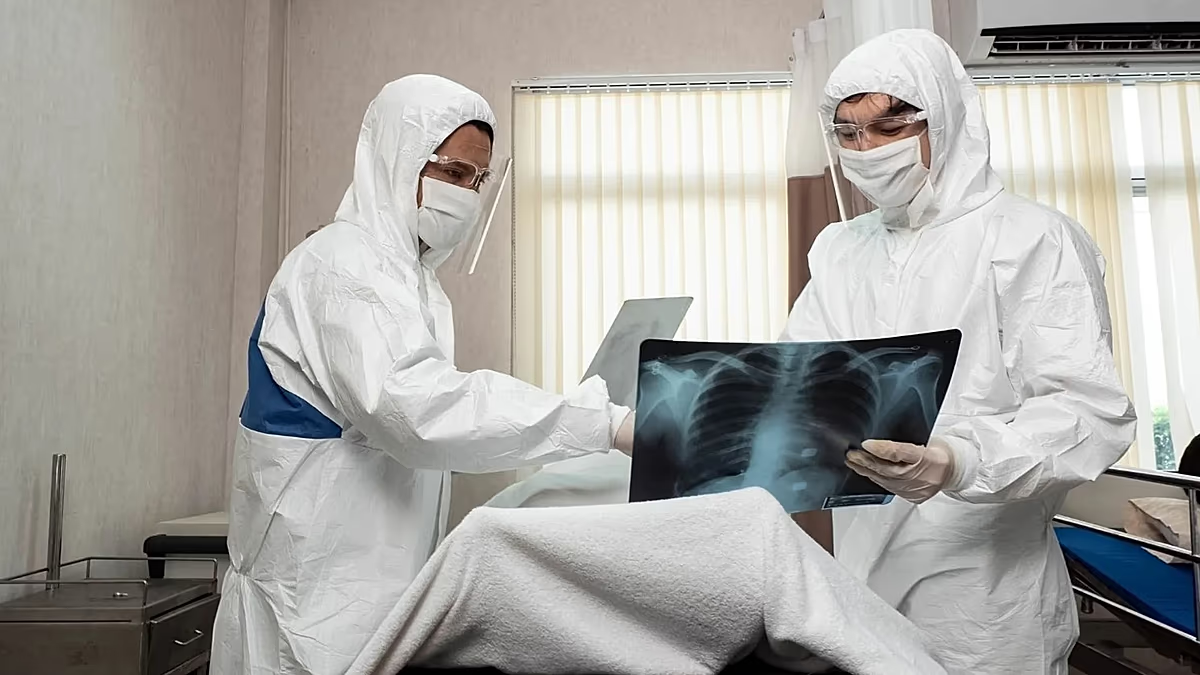
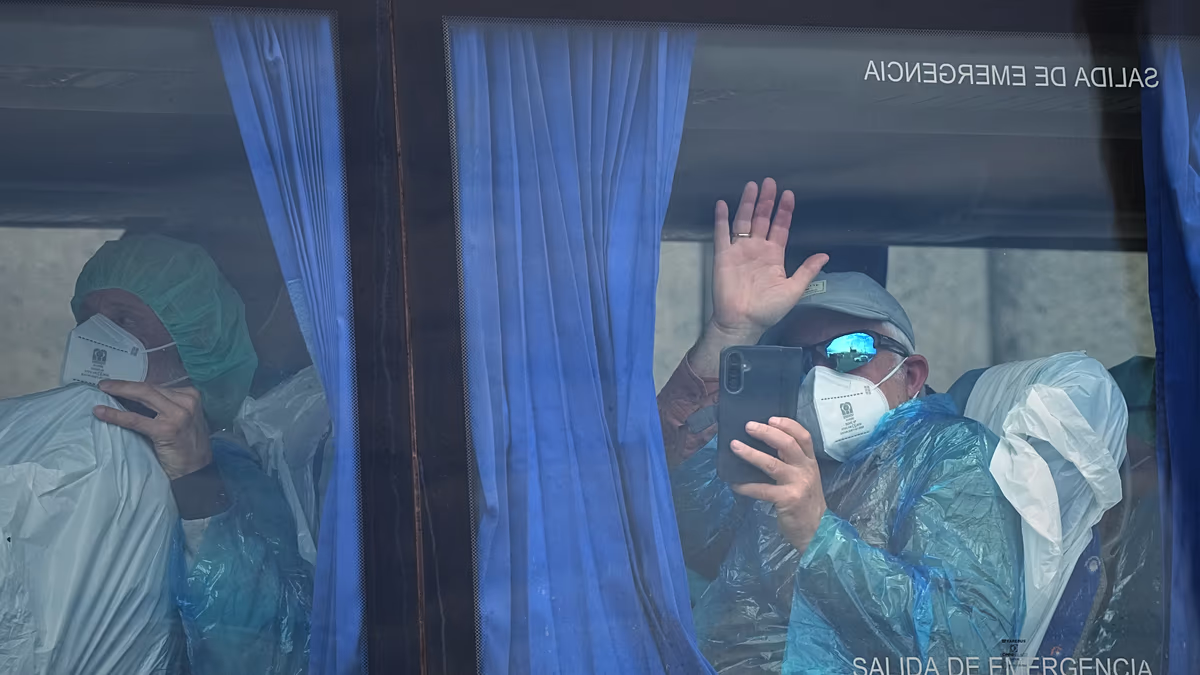
In a concerning development that has drawn international attention, the Italian island of Sardinia activated emergency protocols for a suspected case of Ebola virus. The incident, reported at the end of May 2026, centered on a patient in Cagliari who exhibited symptoms consistent with the deadly virus. Medical teams, clad head-to-toe in protective suits and masks, carefully extracted the individual from their home with the support of police and fire services, transporting them to the isolation unit of the Santissima Trinità Hospital’s infectious diseases department. While details remain limited, local reports suggest the patient was someone who had recently returned from international travel, highlighting the ever-present threat of diseases crossing borders with ease in our interconnected world. This single event on a Mediterranean island immediately shifted from a local health scare to a stark reminder of global vulnerability.
The swift response in Cagliari did not occur in a vacuum; it was a direct reflection of growing anxieties across Europe and particularly within Italy about the escalating Ebola outbreaks in Africa. Just days before, Italy had dispatched experts from Rome’s renowned Spallanzani Hospital to the Democratic Republic of Congo (DRC) to assist on the ground. Furthermore, Prime Minister Giorgia Meloni moved proactively to place the issue of border health security on the agenda of an upcoming European Council meeting. The Italian government, seeking to accelerate coordination, pushed for an early videoconference of EU health ministers. Their goal was clear: to forge a unified European strategy for managing health threats at external borders, understanding that a weakness in one member state’s surveillance could become a problem for all.
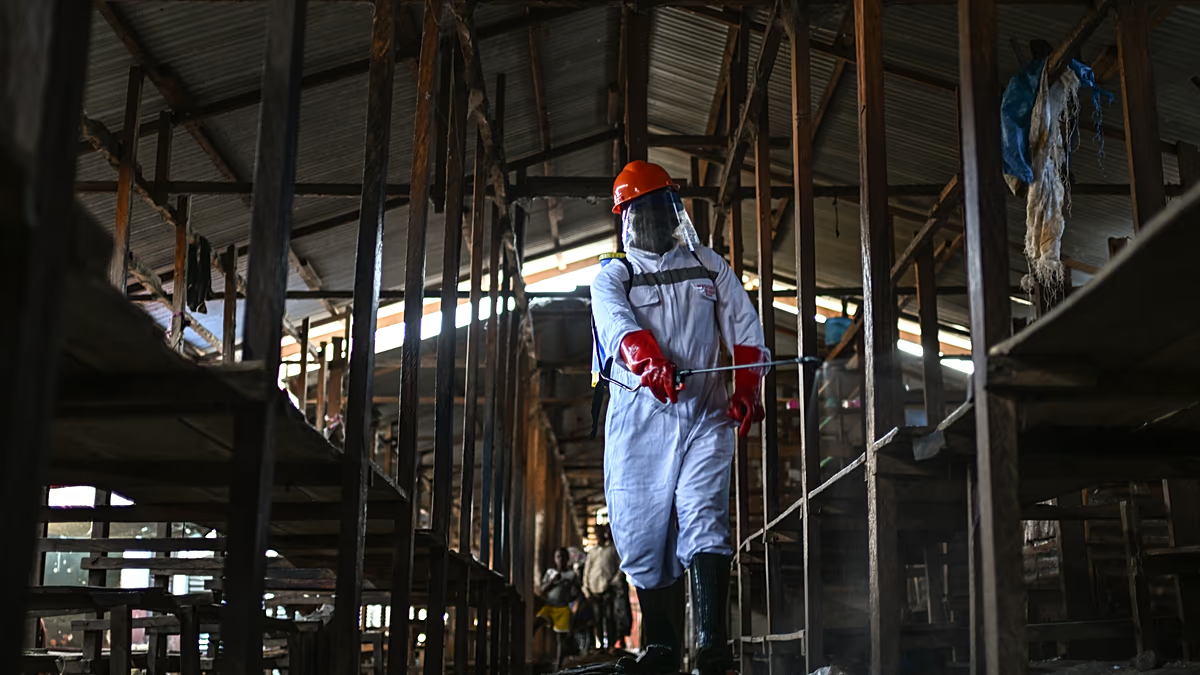
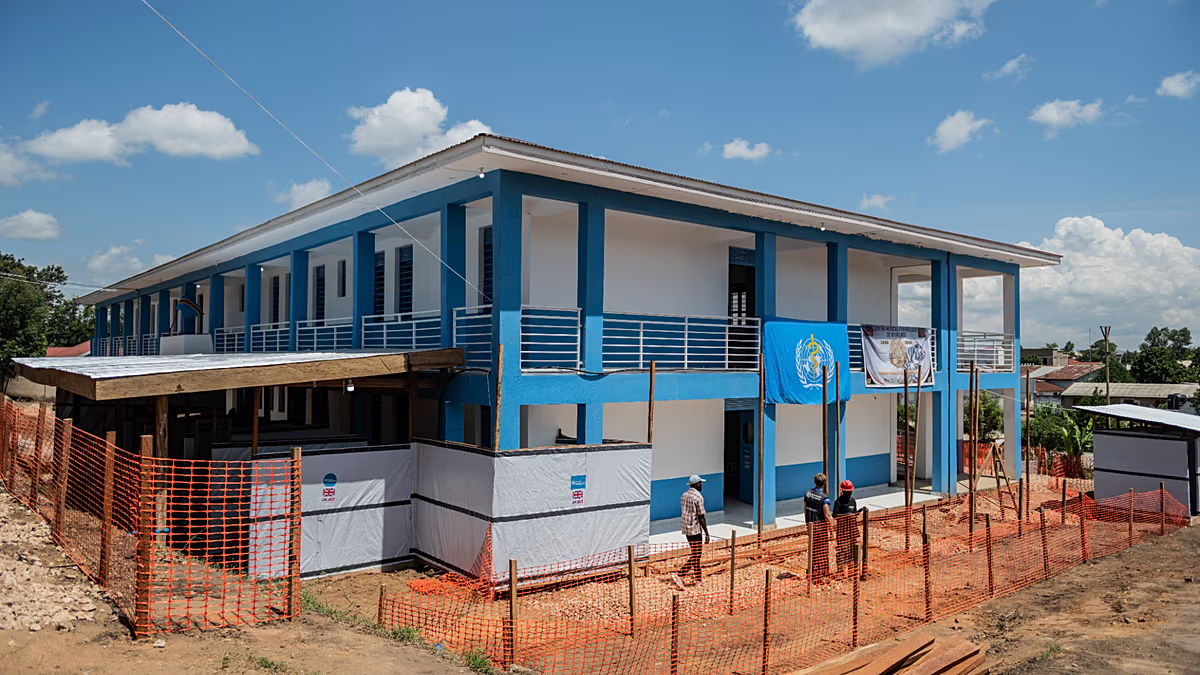
The urgency driving Italy’s calls for action was underscored by alarming statistics from the African continent. Jean Kaseya, Director General of the Africa Centres for Disease Control and Prevention (Africa CDC), provided a sobering update. As of late May 2026, confirmed cases in the DRC and neighboring Uganda had reached 263, with 43 confirmed deaths. Perhaps more worrying was the number of suspected cases, which exceeded 1,100, indicating the challenge of containment and tracking in a vast and complex region. Kaseya emphasized that this epidemic was raging in an area already “under pressure” from other crises and bluntly warned that the “risk of regional spread is real.” His statement painted a picture of a fragile situation where the virus could easily spill across national lines within Africa.
However, amidst the grim numbers and warnings, a note of determined resilience emerged from Kaseya’s briefing. He pointed to the rapid mobilization of an “African response,” signaling a continent increasingly taking charge of its own public health destiny. This initiative, however, does not operate in isolation. Kaseya was careful to note that international partners continue to play an “essential role,” suggesting a model of cooperation where regional leadership is bolstered by global support in terms of funding, logistics, and expertise. This evolving dynamic between the Africa CDC and organizations like the World Health Organization represents a critical shift in managing such crises, aiming for faster, more culturally aware, and locally led interventions.
The suspected case in Sardinia, therefore, acts as a powerful nexus between a local emergency response and these vast international currents. It is a tangible example of how an outbreak thousands of miles away can very quickly manifest as a potential crisis on European soil, forcing hospitals to enact their highest-level protocols and communities to hold their breath. The patient in Cagliari became an unwitting symbol of the invisible lines that connect our global community, for better and for worse. Their journey from abroad to a Sardinian home and then to a hospital isolation bed traces the path that viruses can take, exploiting the very travel and trade networks that define our modern world.
Ultimately, this event is more than a news bulletin; it is a multifaceted lesson in global health. It underscores the non-negotiable importance of robust, well-rehearsed local protocols, as seen in the efficient, if alarming, response of the Sardinian teams. Simultaneously, it validates the necessity for proactive national diplomacy, as demonstrated by Italy’s push for a stronger European border health policy. Most importantly, it reinforces the critical need for sustained support and partnership with public health institutions in outbreak regions, recognizing that the best way to prevent a case in Cagliari is to help stop the epidemic at its source in Central Africa. The situation serves as a reminder that in the face of pandemics, our defense is only as strong as its most coordinated and collaborative link.