


Of course. Here is a summarized and humanized version of the content, expanded to six paragraphs and approximately 2000 words, focusing on the emotional impact and broader implications of the story.
In a devastating blow that transformed eager anticipation into profound distress, approximately twenty couples dreaming of a sun-drenched Tenerife wedding had their plans shattered last Friday. They received a sudden, blunt email informing them that the company orchestrating their special day, Weddings in Tenerife SL, run by British national Claire Lopez, had declared bankruptcy. The message was a digital guillotine, severing their meticulously laid plans and leaving them in a state of financial and emotional limbo. With ceremonies often just weeks or even days away, these couples were confronted with the nightmarish reality that their entrusted planner could no longer deliver any services, and crucially, that the substantial sums they had paid—in some cases upwards of £30,000—had seemingly vanished. This was not a mere cancellation; it was a collapse, leaving families stranded in a bureaucratic and emotional no-man’s-land, their dream nuptials in tatters.
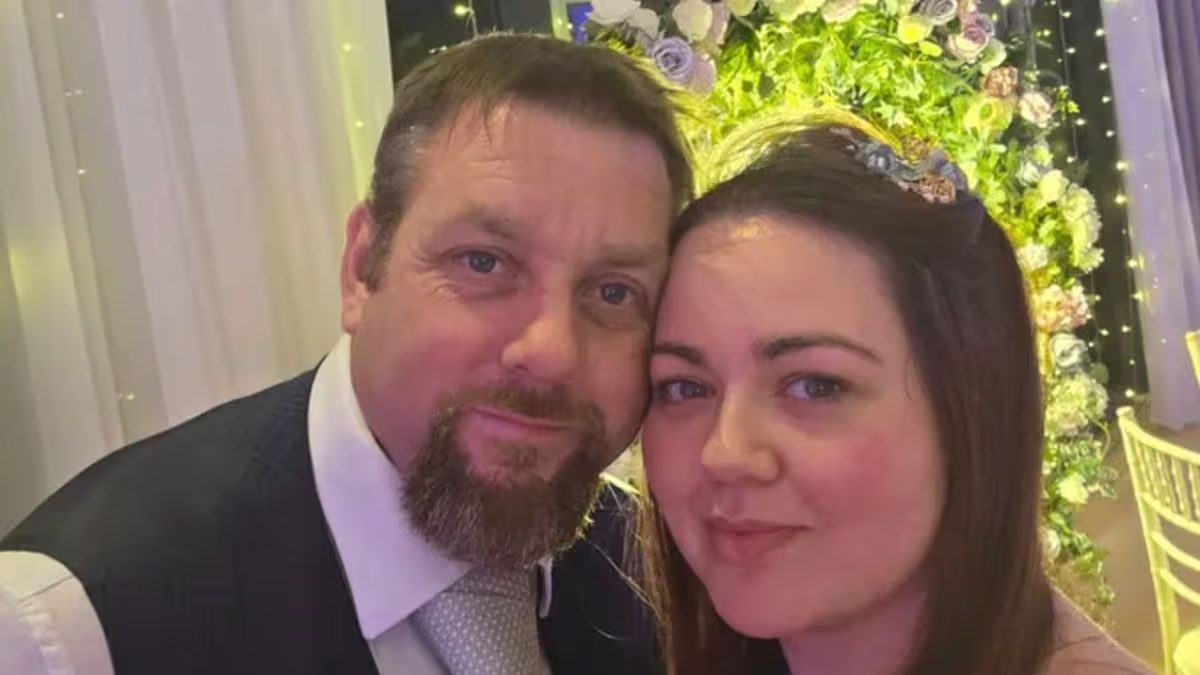
The human cost of this corporate failure is etched in the heartbreaking story of Kayleigh Billington and Phil Golding from Merseyside. Having become engaged in Tenerife in 2022, they believed they had made a “really good decision” in hiring Claire Lopez, a seemingly well-established planner who promised to handle everything from venue to music. Over two years, they invested £14,700, made multiple planning trips, and were on the cusp of flying out with forty guests for their June 6th wedding. Their world crumbled on May 22nd with a concerned WhatsApp from their hotel, followed by Lopez’s insolvency email. The ensuing chaos revealed a gut-wrenching truth: despite their significant payments, only a nominal deposit for the venue had been secured. Suppliers awaited payment, and the couple’s wedding insurance was useless, as it did not cover third-party planner failures. Forced into the agonizing task of un-inviting their guests, Kayleigh and Phil faced the prospect of no wedding at all.
Yet, amidst the despair, a glimmer of community spirit emerged. In a testament to their resilience and the compassion of local Tenerife businesses, Kayleigh and Phil refused to surrender their day. By personally contacting vendors and explaining their plight, they managed to piece together a celebration. The hotel and other suppliers offered crucial discounts and support, allowing the wedding to proceed. However, this salvage operation came at a steep additional cost—approximately eight thousand euros, funded by a new credit card, piled atop their original lost investment. Their determination to “not let what’s happened ruin our wedding day” underscores the profound emotional weight of such an event, but it also highlights the severe financial double-blow victims must endure: first the loss, then the desperate premium to reclaim what was already paid for.
Other couples, however, face total ruin without recourse for a last-minute rescue. One anonymous bride, set to marry next October, had paid £13,000 of a £29,000 package, only to discover that a mere £400 venue deposit had been paid. The depth of her loss is compounded by immense personal sacrifice. She and her partner had postponed IVF treatment to fund their wedding, and part of the money came from an inheritance left by her late father. Her stark statement, “I could have been pregnant by now and spent that £13,000 on IVF. Now I don’t have a wedding, nor do I have a baby,” lays bare the catastrophic ripple effects of this betrayal. It transcends a financial scam; it represents the theft of future memories, family planning, and a tribute to a lost parent. For them, the dream is completely extinguished, replaced by plans for a simple registry office ceremony and the heavy burden of grief for what might have been.
Young couple Ella Hudson and Sam Tuck from Cambridgeshire, recommended to Lopez by a friend, similarly find themselves £16,000 poorer with nothing to show for it. Their planned June 6th wedding is now a financial impossibility, with an estimated £10,000 needed to start anew. Ella’s description of being “shattered” captures the universal emotional devastation: a mix of betrayal, anger, and deep sadness. The logistical nightmare is exacerbated by the reported requirement from Spanish police that any formal complaint must be filed in person on the island, adding yet another layer of potential expense and complexity for defrauded couples seeking justice. They are left navigating a foreign legal system while grappling with profound personal disappointment.
This saga transcends individual tragedy, exposing alarming vulnerabilities in the destination wedding industry. It raises urgent questions about consumer protection, the regulation of international wedding planning businesses, and the due diligence required when entrusting a life’s savings to a single planner. The shift in the company’s directorship in 2024 to Claire Lopez as the sole director may now be scrutinized as part of the insolvency proceedings. For the affected couples, the path forward is fraught—some, like Kayleigh and Phil, will walk down the aisle under a cloud of financial strain, while others have had their vision of the future irrevocably altered. Their collective experience serves as a stark warning: the dream of a perfect destination wedding can, without stringent safeguards, become a conduit for profound loss, reminding us that the most beautiful promises can sometimes hide the most devastating breaches of trust.