


In the heart of Europe, a stripe-winged intruder is quietly establishing a foothold. The Asian tiger mosquito, a species native to the tropics, is no longer just an occasional traveler arriving with imported goods; it is becoming a resident. Recent reports confirm established populations in several German regions, including Bonn, Euskirchen, and the Rhein-Erft district. The city of Cologne has issued warnings that these insects may proliferate significantly in the coming months, while Berlin stands as the northernmost confirmed point of settlement. This spread marks a tangible shift in Germany’s ecological landscape, a change driven by forces far beyond mere chance.
The reasons for this expansion are multifaceted, but climate change plays a starring role. These mosquitoes thrive in warm, humid conditions—exactly the weather pattern Germany has been experiencing with its combination of frequent rain and persistent sunshine. Winters in regions like North Rhine-Westphalia are becoming milder, offering fewer lethal frosts to curb insect populations. Furthermore, the interconnectedness of our modern world accelerates their journey. The Bernhard Nocht Institute for Tropical Medicine notes that increased international travel and global goods traffic provide constant vectors for these mosquitoes to hitchhike into new territories, where the increasingly hospitable climate then allows them to stay.
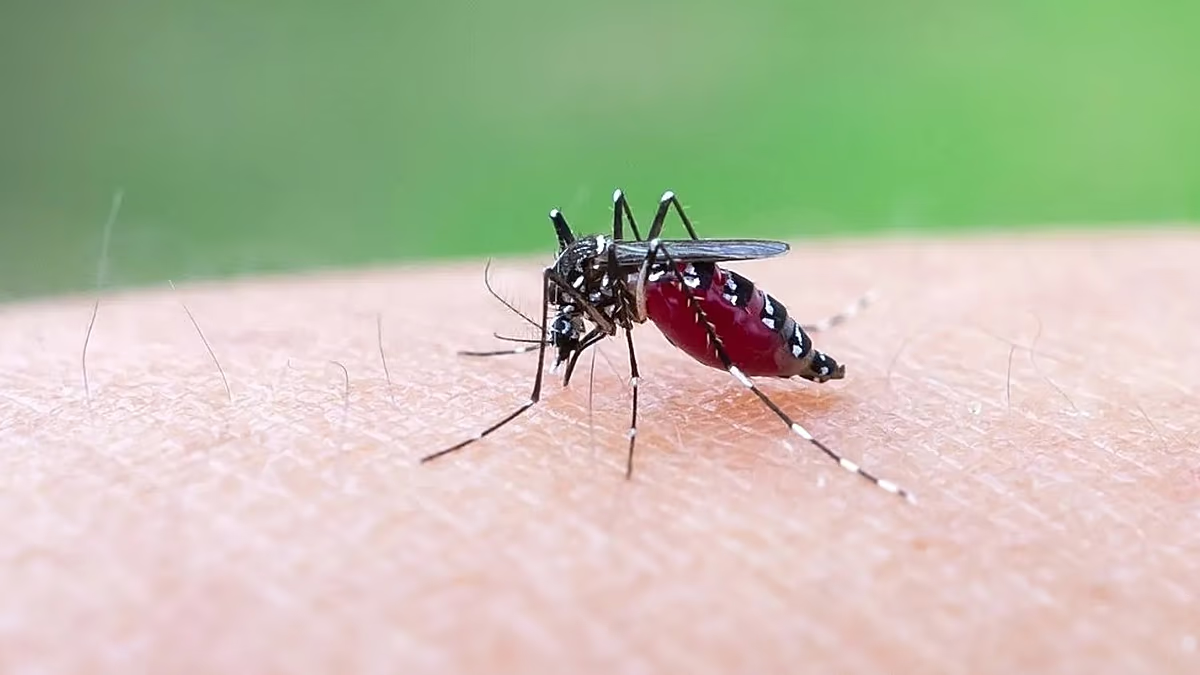
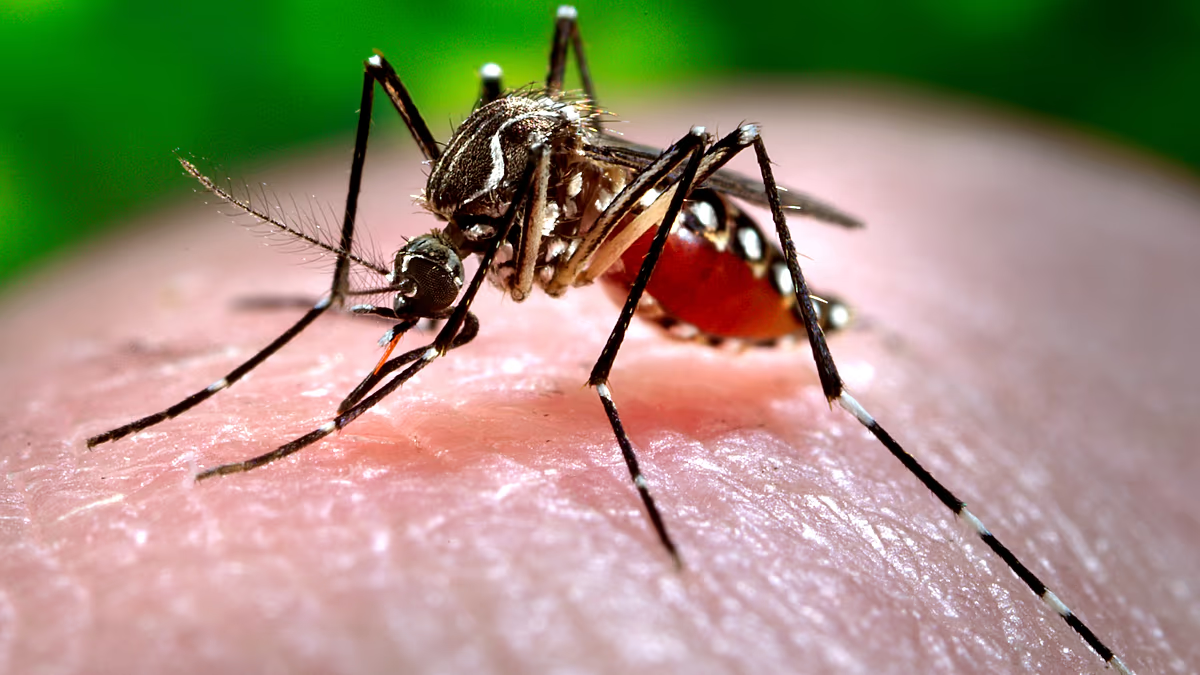
This mosquito is not just a nuisance; it is a potential public health concern. Distinctive with its black-and-white striped body and measuring up to a centimeter long, it is aggressive and active even in daylight, delivering bites reported to be particularly painful. Its most troubling trait, however, is its capacity as a vector for pathogens like the dengue and chikungunya viruses. While these diseases have historically been confined to tropical and subtropical zones, the mosquito’s establishment in Europe bridges that geographical gap. Experts from the Pharmazeutische Zeitung warn that, given ongoing climate trends, local transmissions within Germany are not just possible but probable in the foreseeable future.
Understanding the risks these viruses pose is crucial. Dengue fever, often called “breakbone fever” due to its severe muscle and joint pain, begins with high fever, headache, and rash. While most recover within weeks, it can escalate to life-threatening complications involving severe bleeding or circulatory collapse. There is no specific cure; treatment focuses on managing symptoms and supporting the patient’s hydration. Chikungunya fever is similarly debilitating, characterized by sudden fever and—most notably—intense, often persistent joint pain that can linger for months, significantly impacting quality of life. Again, care is palliative, relying on rest, fluids, and pain relief.
To date, Germany has not recorded any cases of dengue or chikungunya transmitted by its homegrown tiger mosquito populations. All reported infections have been linked to travel abroad. However, this historical distinction is likely to blur. The presence of the vector, combined with a steady stream of travelers returning from endemic regions, creates the necessary components for local transmission cycles to begin. The public health system must therefore prepare for a scenario where “breakbone fever” is not just an imported illness but a domestically acquired one.
Protection hinges on proactive, community-wide effort. The most effective defense is eliminating the mosquito’s breeding sites: regularly emptying standing water from garden buckets, plant saucers, and rain barrels. Citizens can also contribute directly to scientific surveillance through projects like the “Mosquito Atlas,” where captured specimens are sent for identification and analysis, helping researchers track the invasion in real time. This collective vigilance, from individual gardening habits to national monitoring programs, forms the essential frontline in managing the spread of this striped inhabitant and safeguarding public health in a warming world.