

Paragraph 1
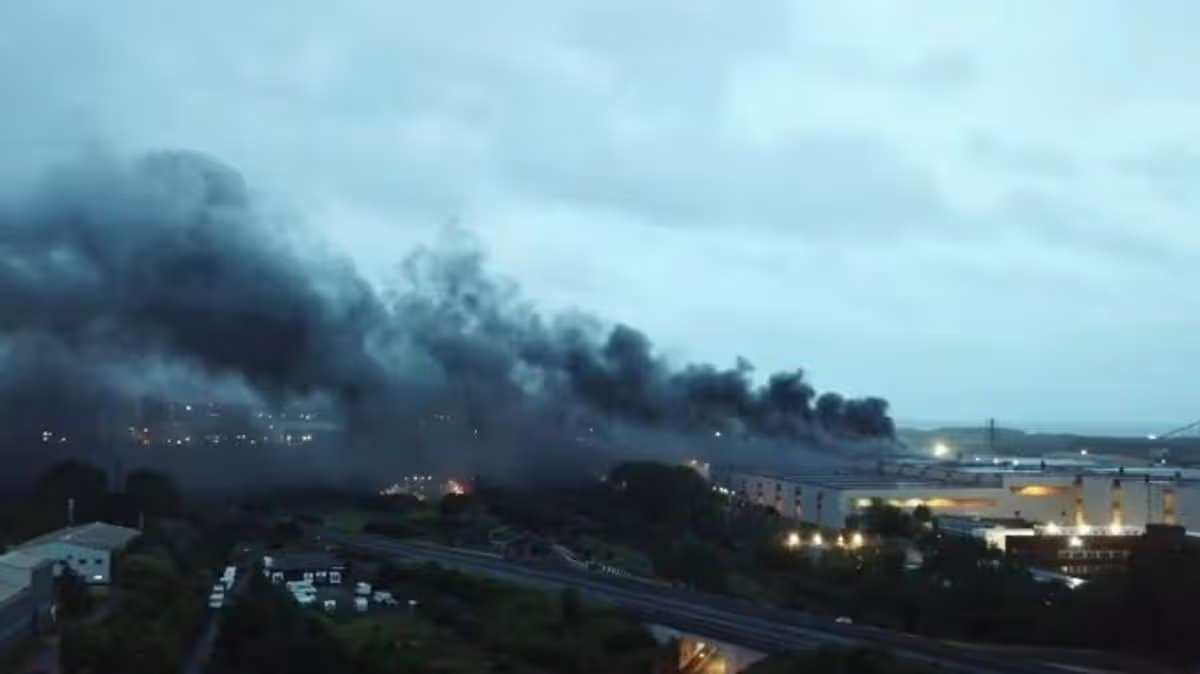
Residents of Port Talbot experienced an unexpected tremor on Wednesday evening as Tata Steel conducted the controlled demolition of a massive, now-obsolete gas holder within the sprawling steelworks. The operation, which sent a reverberating boom across the local area, was a significant physical milestone in the site’s ongoing transformation. While the sudden noise and vibration undoubtedly caused momentary alarm, the company was quick to reassure the community that this was a pre-planned and carefully executed engineering event, entirely separate from any other incidents at the plant. This distinction was crucial to prevent undue concern, emphasizing that the blast was a sign of progress, not an emergency.
Paragraph 2
The dismantled structure was a relic of Port Talbot’s industrial past—an empty coke ovens gas holder that had been rendered redundant since September 2024. Its decommissioning followed the closure of the site’s traditional “heavy-end” operations, marking the end of an era for one method of steelmaking. For decades, such structures were iconic features of the industrial landscape, but this particular gas holder had outlived its usefulness. Standing silent on the site, it represented the old infrastructure that must make way for the new, a tangible symbol of the challenging but necessary transition the entire plant is undergoing.
Paragraph 3
The primary driver for this dramatic demolition was not merely clearance, but creation. The space liberated by removing the gas holder is essential for the future. It will be transformed into new raw materials handling areas, a critical logistical component for the forthcoming electric arc furnace (EAF). This new furnace, with a planned annual capacity of three million tonnes, is the cornerstone of Tata Steel’s £1.25 billion investment to modernize Port Talbot. The EAF represents a shift towards greener, more sustainable steel production, relying largely on recycled scrap metal instead of traditional coal-based blast furnaces. Therefore, clearing this ground was a practical and symbolic step toward that cleaner future.
Paragraph 4
Executing a demolition of this scale within a live industrial complex is a formidable task, requiring meticulous planning and coordination. Tata Steel acknowledged the complexity of the work, extending thanks to its internal teams and specialist contractor partners, Thompson of Prudhoe and PDC. Their combined expertise ensured the structure was brought down safely, with all necessary precautions to protect the wider site infrastructure and, most importantly, people. This collaborative effort highlights the intricate behind-the-scenes work that underpins these visible moments of change, involving engineers, demolition experts, and safety officers working in concert.
Paragraph 5
Understanding the impact on the surrounding community, Tata Steel proactively communicated about the event. Shortly after the demolition, the company released a statement explaining the source of the “loud noise” and directly apologizing for any inconvenience caused. This immediate transparency is a vital part of maintaining trust with a town whose life has been intertwined with the rhythms of the steelworks for generations. For residents who felt their homes shake, this explanation provided necessary context, transforming a potentially worrying event into an understood, if startling, part of the area’s industrial evolution.
Paragraph 6
In conclusion, the demolition of the gas holder is far more than the simple destruction of an old tank. It is a visible, audible punctuation mark in the story of Port Talbot’s steel industry. It closes a chapter on carbon-intensive manufacturing and actively clears the ground—both physically and metaphorically—for the next chapter of sustainable steel production. While these moments of dramatic change can be unsettling, they are the growing pains of a community and an industry adapting for the future. The success of this operation moves the site one step closer to its new identity, balancing the echoes of its past with the demands of a greener economy.