
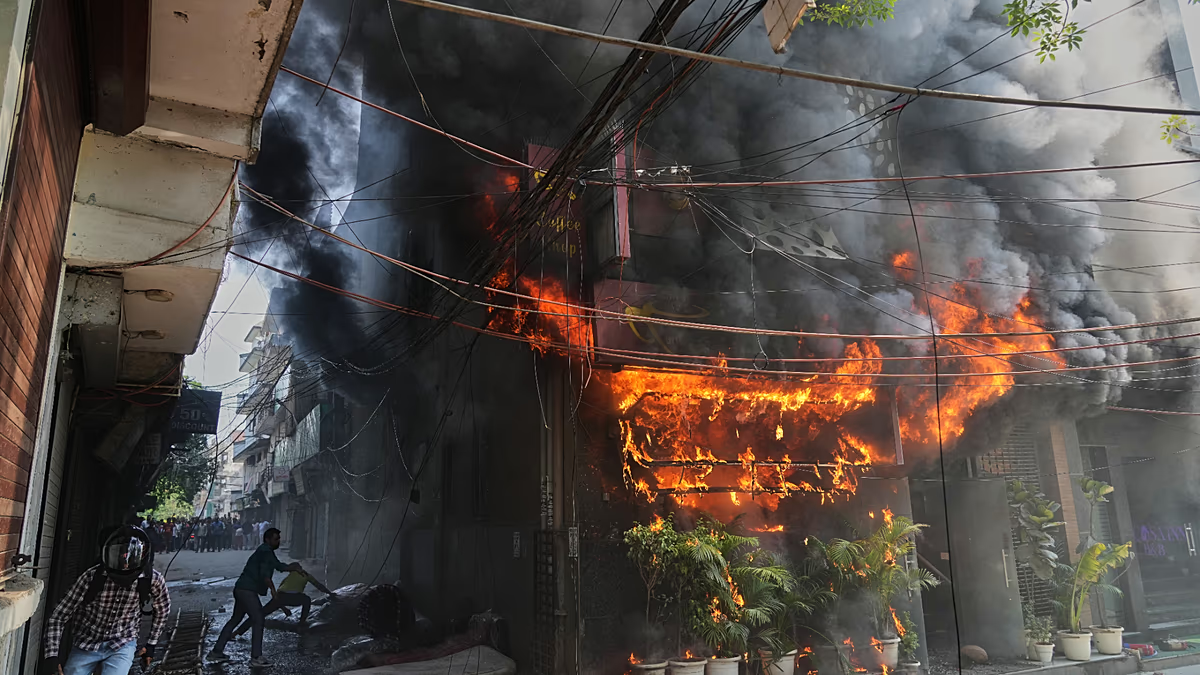


A tragedy unfolded in the heart of New Delhi on Wednesday, as a ferocious fire consumed a multi-story building in the Malviya Nagar neighborhood, a bustling residential area in the city’s south. What began as an ordinary day swiftly descended into chaos and horror. According to reports from the Press Trust of India, the blaze claimed the lives of at least 18 individuals and left several others with injuries, marking another devastating chapter in the city’s ongoing struggle with fire safety. The building itself was a microcosm of urban life, with a restaurant operating on the ground floor and residential apartments stacked above—a common configuration that, in this instance, proved fatally vulnerable when the flames took hold.
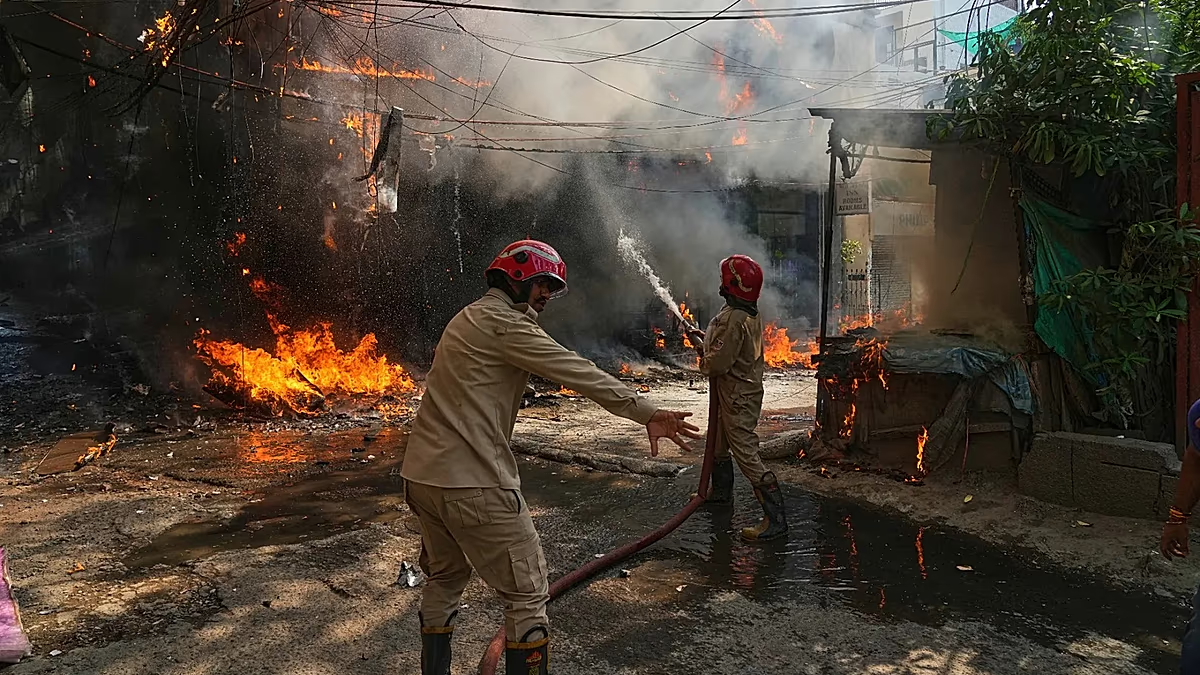
The response from emergency services was immediate and heroic. Fire crews raced to the scene, facing intense heat and billowing smoke as they worked desperately to save lives. In a remarkable effort, they successfully rescued 37 people from inside the inferno before finally managing to bring the fire under control. Their valor was mirrored by the courage of ordinary residents, who joined the firefighters in a collective struggle against the disaster. Images from the scene captured this harrowing partnership: thick, black smoke pouring from windows, while firefighters and locals worked side-by-side, forming human chains and using whatever means available to evacuate those trapped inside. These scenes of community solidarity offered a glimmer of hope amid the overwhelming devastation.
The human cost of the fire became increasingly heartbreaking as details emerged. Among the victims were foreign nationals who had traveled to India seeking specialized medical treatment, a sobering reminder of the country’s role as a global healthcare destination. These individuals, already vulnerable due to their health, found themselves caught in a nightmare far from home. Their stories, alongside those of local residents—families, workers, and restaurant staff—paint a picture of sudden, indiscriminate loss. Each number in the casualty count represents a life with dreams, responsibilities, and loved ones, now left to grieve an unbearable absence.
As the smoke clears and the immediate rescue efforts conclude, the pressing question of “why” looms large. Officials have stated that the cause of the fire is still under investigation, a process that will scrutinize the building’s electrical systems, safety protocols, and structural compliance. Tragedies like this often point to a lethal cocktail of factors common in rapidly growing cities: potentially overlooked fire safety regulations, inadequate emergency exits, unauthorized construction, or faulty wiring. The restaurant on the ground floor adds another layer of complexity, as commercial kitchens present unique fire hazards. The investigation’s findings will be crucial, not just for assigning accountability, but for preventing future catastrophes.
This fire is not an isolated incident but part of a painful pattern in India’s urban centers, where population density, aging infrastructure, and sometimes lax enforcement of safety codes create tinderbox conditions. Each such disaster serves as a grim wake-up call, highlighting the urgent need for stringent building audits, functional and accessible fire escapes, widespread public awareness campaigns, and well-equipped local fire brigades. It underscores a critical dialogue about urban planning and regulatory oversight in the face of breakneck development. The memory of this loss must catalyze systemic change, ensuring that buildings are not just structures of brick and mortar, but safe havens for those who live and work within them.
In the end, beyond the statistics and the investigations, this event is a profound human story. It is a story of sudden terror and enduring bravery, of lives intersecting in fate’s cruelest moment, and of a community’s resilience in the face of despair. The collective mourning for the 18 lives lost, and the solidarity extended to the injured and the bereaved, reaffirms our shared humanity. As New Delhi and the nation reflect on this tragedy, the hope is that the lessons learned will be etched not just in policy, but in conscience, fostering a future where safety is never compromised, and such preventable loss becomes a relic of the past.