


The Unsettling Skies: Navigating Airline Collapse as a Traveller
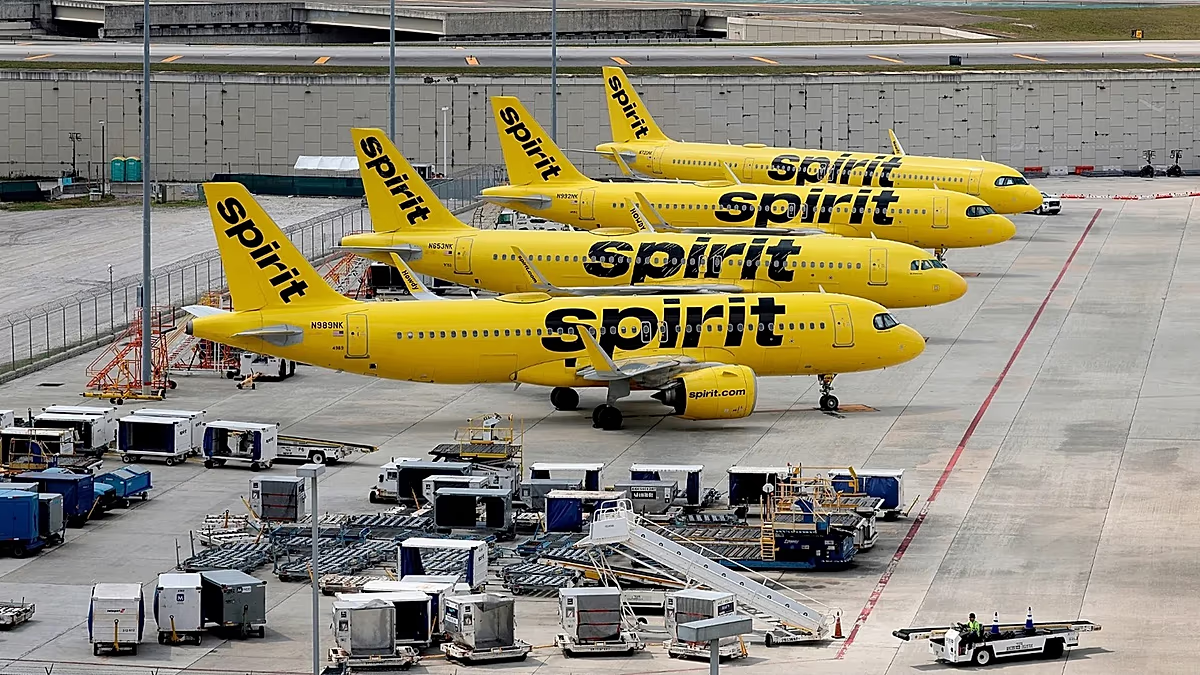
The recent shutdown of Spirit Airlines over the weekend, coupled with stark warnings from Ryanair’s CEO Michael O’Leary that several European airlines might face bankruptcy this winter, has sent a ripple of anxiety through the travel community. For many, the act of booking a flight—once a routine step towards adventure or reunion—now carries a nagging question: what happens if this company ceases to exist before I even board? In a typical cancellation, an airline is obligated to refund or rebook you. However, in the stark reality of a bankruptcy, the entity itself dissolves, leaving passengers in a precarious position, suddenly holding tickets for a service that no longer operates. While Spirit Airlines customers have, thankfully, been assured of automatic refunds, this is not a standard procedure in such crises, highlighting the unpredictable nature of airline failures and the urgent need for passenger preparedness.
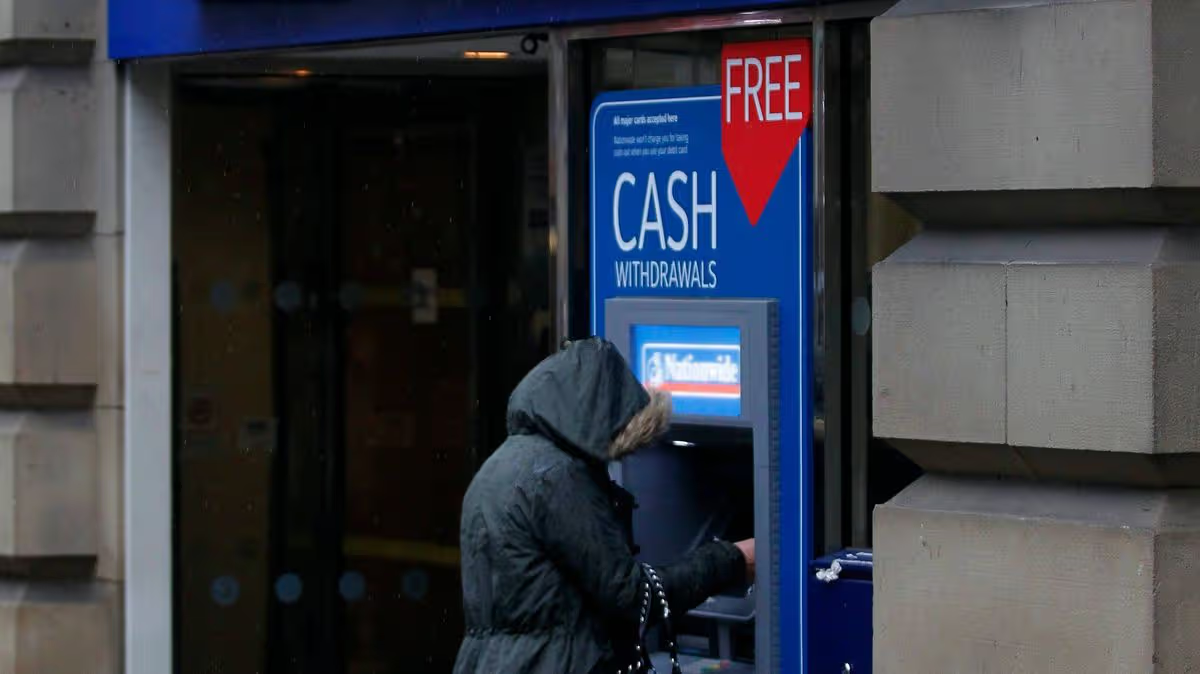
When an airline collapses, the financial burden often falls back onto the consumer, who must proactively seek recourse. The primary and most effective line of defence for many is the credit card chargeback mechanism. If you booked your flights using a credit card, you can typically contact your card provider to initiate a chargeback, arguing that the supplier—the airline—failed to deliver the paid service. This process leverages the consumer protections embedded in many credit card agreements. However, this safety net is generally not extended to debit card purchases, though nuances exist; a European Commission report noted that consumers in countries like Denmark and Portugal might have similar claims on debit cards. This variance underscores the importance of understanding your local financial regulations and choosing your payment method wisely when booking travel, as it could become your first lifeline in a crisis.
Beyond your payment method, a carefully chosen travel insurance policy can serve as a crucial shield. It is vital to scrutinize your policy details before a trip to see if it includes specific clauses like “scheduled airline failure insurance” or “end supplier failure insurance.” These are not standard inclusions and often require an additional premium or a specific policy type. If covered, your insurance may reimburse you for the unused ticket and even cover the often exorbitant cost of purchasing a new, last-minute flight on another carrier. Some premium credit cards also bundle travel insurance, but again, the specifics vary dramatically. The lesson here is clear: generic travel insurance may not suffice; you must actively seek and verify this specific coverage to ensure you are protected against the unique risk of an airline’s demise.
The situation becomes markedly more stressful if an airline fails while you are already abroad, mid-trip. In these instances, you are not just seeking a refund but an immediate escape route home. Here, the industry sometimes provides a humanitarian gesture through “rescue fares.” Other carriers, aiming to assist stranded passengers and capitalize on the situation, may offer heavily discounted last-minute tickets. Following Spirit’s collapse, several U.S. carriers like JetBlue, Delta, United, and Southwest announced such reduced fares for a limited window. While these fares alleviate the immediate financial shock, they are not guaranteed in every collapse and are time-sensitive. Passengers must act swiftly, monitoring announcements from competing airlines, which requires staying informed amid the chaos of a bankruptcy announcement.
The historical precedent, such as the 2019 collapse of Icelandic carrier WOW Air, paints a fuller picture of the post-bankruptcy process. In that case, the defunct airline directly advised passengers to pursue claims through their credit card companies or travel insurers as a first step, acknowledging its own inability to provide refunds. This pattern shows that while automatic refunds from the bankrupt entity are rare, a structured path to recovery usually exists through third-party protections. The key for travellers is to assemble these protections before booking: using a credit card, purchasing verified failure insurance, and staying aware of which airlines historically offer rescue fares. This proactive layering of safeguards transforms anxiety into preparedness.
Ultimately, the current turbulence in the airline industry, signaled by Spirit’s shutdown and O’Leary’s warnings, is a sobering reminder that the convenience of low-cost air travel can come with hidden vulnerabilities. However, fear should not paralyze the desire to explore the world. Instead, it should inspire smarter, more resilient travel habits. By making informed choices about how you pay, how you insure, and how you monitor industry news, you can secure your journey against corporate instability. The goal is not to avoid flying but to fly wisely, ensuring that your adventure remains a story of discovery, not a stressful tale of financial loss and logistical scramble.