

Here is a humanized summary of the newsletter, structured into six paragraphs as requested.
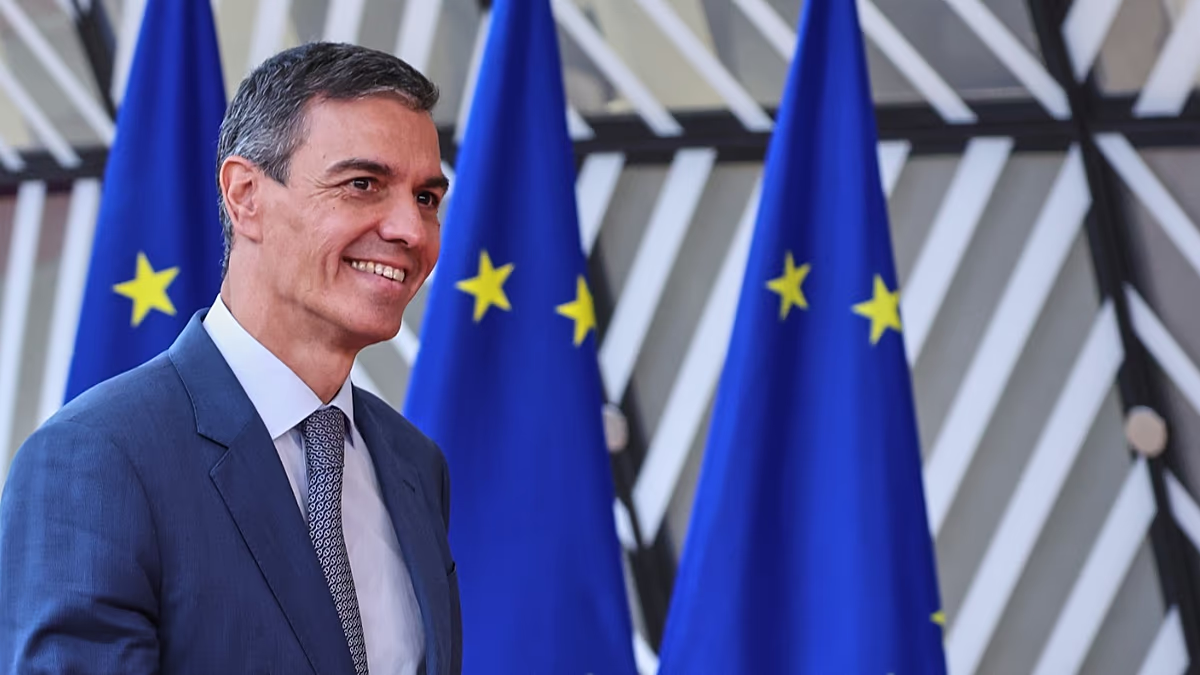
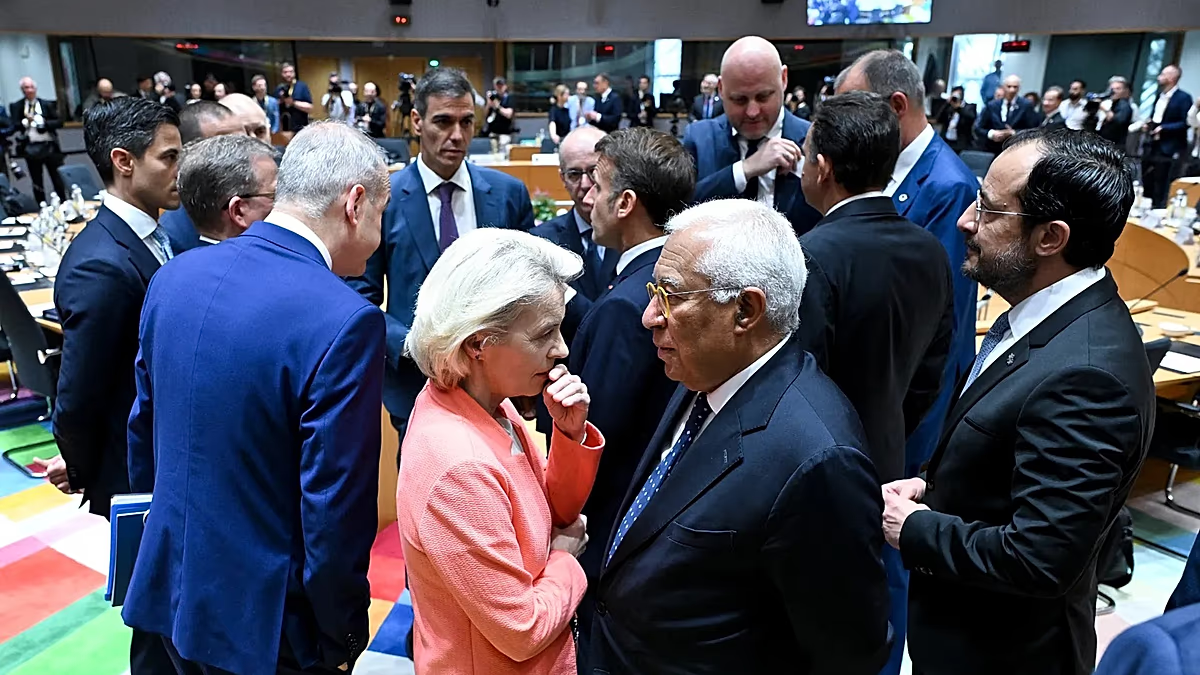
Good morning. The atmosphere in Brussels today is one of tense anticipation, as European officials brace for the ripple effects of renewed trade threats from across the Atlantic. This newsletter, written from the heart of the EU’s political machinery, opens with the looming spectre of US President Donald Trump’s proposed tariff hikes on European cars. In response, key EU figures are scrambling into closed-door meetings, hoping to finalise the delicate EU-US trade deal before the situation escalates further. The underlying message from the bloc’s leadership is a cautious blend of preparedness and defiance, asserting they are ready for any scenario while firmly standing by their own legislative processes.
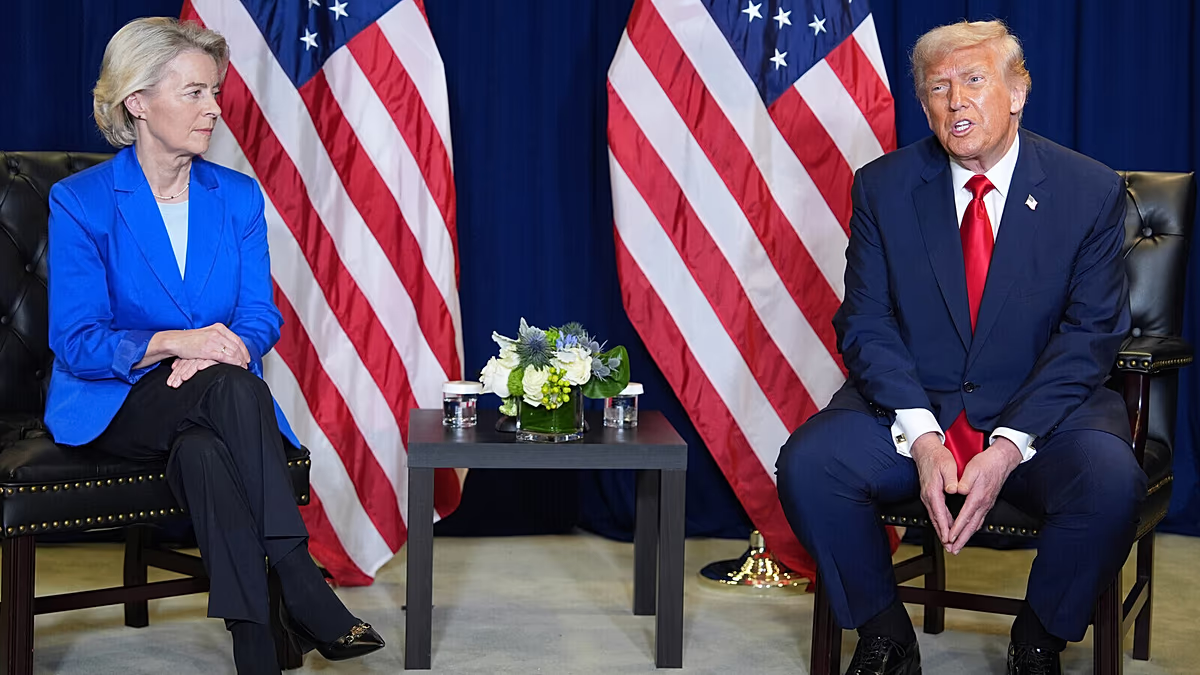
The core of the dispute hinges on the “Turnberry agreement,” a deal meant to cap tariffs and foster smoother transatlantic commerce. President Trump’s recent allegations that Europe is not complying have sent a jolt through the corridors of power here, even as European Commission President Ursula von der Leyen insists the EU is in the final stages of fulfilling its commitments. The tension underscores a fundamental clash of approaches: Europe’s preference for methodical, rules-based diplomacy versus what former EU trade commissioner Catherine Ashton describes as a more “transactional” American stance under Trump. Her insights reveal a deep concern that amidst these trade squabbles, the larger, more dangerous global crises demand cooperation, not conflict.
This point about larger crises is tragically underscored by the day’s devastating news from Ukraine. As Brussels debates tariffs, Russian strikes have killed at least 26 civilians in cities like Zaporizhzhia and Kramatorsk. President Volodymyr Zelenskyy’s condemnation of Moscow’s “utter cynicism” is piercingly accurate—the attacks came even as Russia proposed a brief ceasefire to hold its patriotic parades. Zelenskyy’s counter-offer for a longer truce, stating that human life is more valuable than any anniversary, highlights the grotesque contrast between geopolitical posturing and the brutal reality on the ground. It is a stark reminder that while trade is critical, war and human suffering remain the most urgent issues on the continent.
Meanwhile, political instability continues to shake another EU member state. In Romania, the fragile pro-European coalition government has collapsed following a successful no-confidence vote, plunging the country into fresh turmoil. This setback comes at a particularly vulnerable time, as Romania wrestles with a severe budget deficit, soaring inflation, and a technical recession. The collapse is more than just domestic political drama; it weakens the EU’s internal cohesion at a moment when unity is paramount for facing external pressures, whether from economic threats or security challenges on its eastern border.
Beyond these immediate headlines, the newsletter touches on profound, longer-term struggles. One poignant piece focuses on Russia’s systematic abduction of Ukrainian children, a campaign masked as “rescue” operations but designed to erase Ukrainian identity. This is not merely a war crime but a battleground of narratives, where propaganda seeks to rewrite futures. In a different vein, there is a cultural push for global influence, as Portuguese advocates lobby for their language to be recognised as an official tongue of the United Nations. These stories, one about preservation and the other about expansion, reflect the multifaceted ways in which nations and unions assert their identity and power on the world stage.
As the day in Brussels draws to a close, the agenda remains packed. From a Ukrainian mayor sharing the grim realities of governing an occupied city to senior trade officials dissecting the bloc’s strategic position, the work of navigating this complex moment continues. Today’s dispatch paints a picture of a Europe at a crossroads: defending its economic interests against unilateral threats, mourning fresh atrocities in a neighbouring war, managing internal political fractures, and advocating for its values and culture. The path forward requires not just technical negotiations but profound diplomatic wisdom, resilience, and an unwavering commitment to the collective project of peace and stability.