




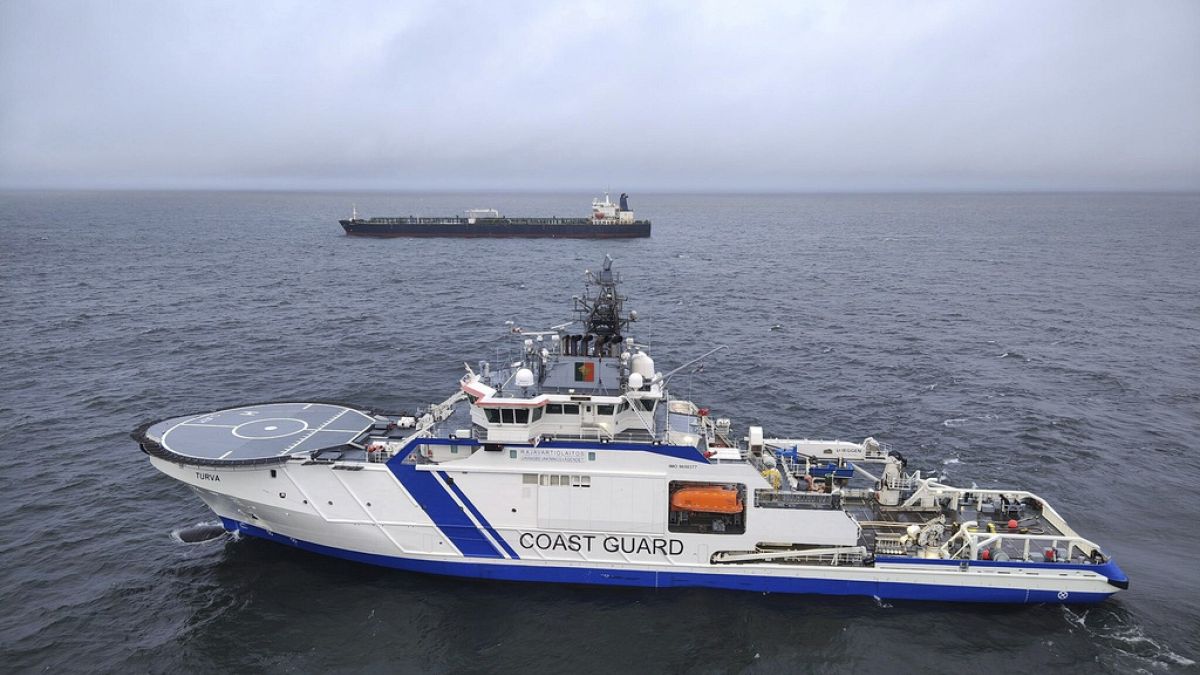
Sweden’s recent call for a NATO Article 4 consultation marks a significant shift in the country’s security posture and reflects the evolving geopolitical landscape in the Baltic Sea region. Historically neutral, Sweden formally joined NATO in March 2024, driven by growing concerns over Russian aggression following the invasion of Ukraine. The current impetus for invoking Article 4 stems from suspected sabotage of undersea cables linking Finland and Estonia, an incident that has raised alarms about the vulnerability of critical infrastructure and potential Russian involvement. While the investigation is ongoing, the incident highlights the increasing tensions and potential for escalating conflict in the region. The Social Democrats’ request underscores the seriousness with which Sweden views these developments and their potential implications for national security.
Article 4 of the North Atlantic Treaty provides a mechanism for member states to consult when they perceive a threat to their territorial integrity, political independence, or security. While it doesn’t automatically trigger collective defense measures like Article 5, it allows for a platform to discuss concerns, share information, and coordinate responses. This consultative process can lead to a range of actions, from increased surveillance and patrols to the deployment of military assets, depending on the perceived threat. In this case, Sweden likely seeks reassurance from its allies and a coordinated response to deter further acts of sabotage or aggression in the Baltic Sea region. The potential invocation of Article 4 demonstrates the evolving role of NATO in addressing hybrid threats, which include activities that fall below the threshold of traditional armed conflict, such as cyberattacks, disinformation campaigns, and infrastructure sabotage.
The suspected sabotage of the Finnish-Estonian power and data cables is the latest in a series of incidents that have heightened anxieties in the Baltic Sea region. While attribution remains uncertain, suspicions naturally fall on Russia, given its history of disruptive activities and its strategic interest in destabilizing the region. The incident underscores the vulnerability of undersea infrastructure, which is crucial for communication, energy transmission, and data transfer. Such infrastructure is often difficult to protect and repair, making it an attractive target for hostile actors seeking to disrupt economic activity, sow chaos, and exert political pressure. The incident also emphasizes the interconnectedness of security in the region, as damage to critical infrastructure in one country can have cascading effects on its neighbors and the wider European economy.
NATO Secretary-General Jens Stoltenberg’s announcement of increased patrols in the Baltic Sea signals the alliance’s commitment to deterring further acts of aggression and demonstrating solidarity with its members. The enhanced military presence aims to reassure Finland and Estonia, demonstrate resolve to potential adversaries, and gather intelligence to better understand the nature and scope of the threat. The deployment of additional maritime patrol aircraft, radar planes, drones, and minehunters will bolster surveillance capabilities and provide a more comprehensive picture of activities in the region. This proactive approach seeks to prevent escalation by signaling that any further hostile actions will be met with a swift and coordinated response. NATO’s response also highlights the alliance’s adaptability in addressing the evolving security challenges posed by hybrid warfare.
The implications of the suspected sabotage extend beyond the immediate impact on Finland and Estonia. The incident highlights the growing importance of protecting critical infrastructure, particularly undersea cables, which are vital for global communication and commerce. It also underscores the need for international cooperation to address hybrid threats, which often transcend national borders and require a coordinated response. The incident could spur greater investment in protecting critical infrastructure, including enhanced surveillance, cybersecurity measures, and resilience planning. Furthermore, it could lead to increased information sharing and collaboration among NATO allies and other partners to deter and respond to hybrid threats.
The incident also serves as a reminder of the complex and evolving security challenges facing Europe in the wake of Russia’s invasion of Ukraine. The Baltic Sea region has become a focal point of tension, with increased military activity and heightened concerns about potential escalation. The suspected sabotage underscores the need for continued vigilance and a robust response from NATO to deter further aggression and maintain stability in the region. The incident also highlights the importance of transatlantic cooperation in addressing shared security challenges and the need for continued investment in defense capabilities to meet the evolving threats of the 21st century. The potential invocation of Article 4 by Sweden represents a significant development in the region and underscores the ongoing need for dialogue and coordinated action within the alliance to address shared security concerns.