

Paragraph 1: The Evolution of the European Cycling Holiday
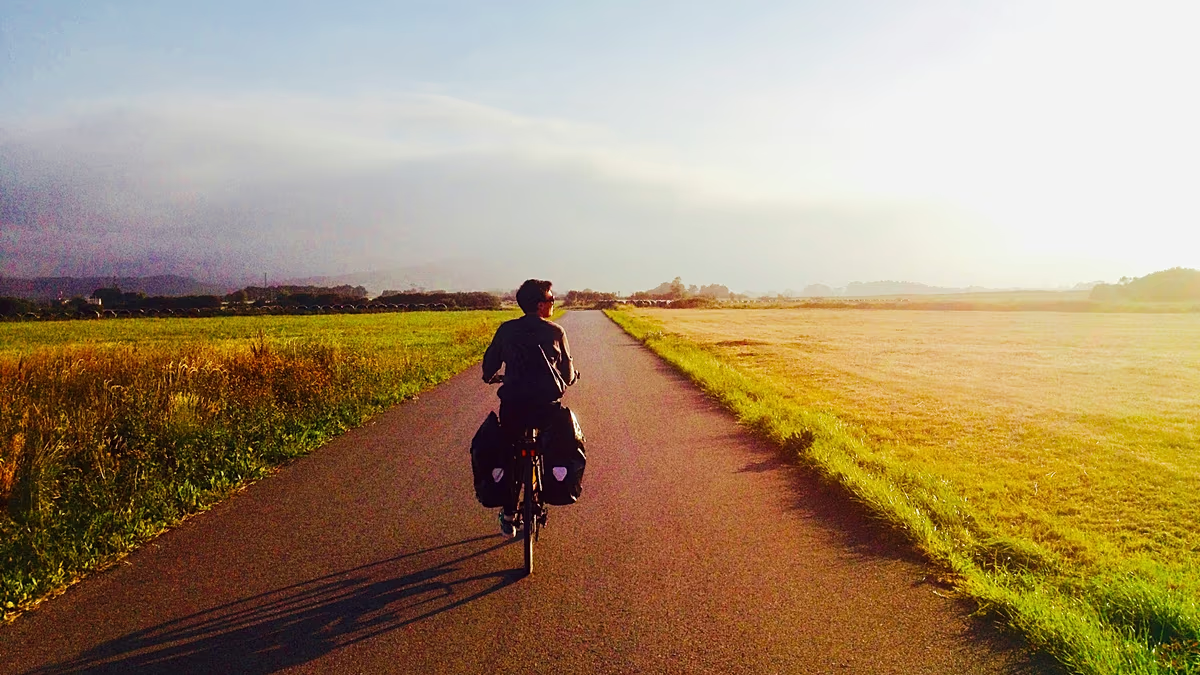
The classic image of a European cycling holiday, dominated by grueling alpine ascents and marathon distances designed for the lycra-clad enthusiast, is undergoing a profound and welcome transformation. Today, the trend is shifting decisively toward accessibility, enjoyment, and cultural immersion. The focus is no longer solely on elite climbs or race-level endurance; instead, the continent is embracing a new paradigm of cycling travel designed for the everyday rider. This movement prioritizes manageable daily distances, excellent and safe infrastructure, and ample time to truly savor the journey itself. Across Europe, tourism boards and local authorities are investing heavily in this vision, creating safer bike paths, installing clearer signage, and designing flexible itineraries that empower riders of all confidence levels. From serene coastal rides to meandering river trails and picturesque vineyard routes, the European cycling map is being redrawn for 2026 and beyond, promising a future where the experience matters just as much as the destination.
Paragraph 2: A Continent Designed for Discovery
This new ethos of accessible cycling is flourishing across diverse landscapes, offering a rich tapestry of experiences. In Portugal, the route from Porto to Lisbon exemplifies this blend, linking two vibrant capitals with moderate stages of 50 to 90 kilometers along the Atlantic coast. The journey, punctuated by beaches, small towns, and breathtaking viewpoints, invites frequent stops, emphasizing personal pacing over physical performance. Similarly, Belgium’s Flanders region transforms its legendary professional racing terrain into a cultural pilgrimage for casual cyclists. The mostly flat routes weave through historic gems like Brussels, Antwerp, Ghent, and Bruges, following tranquil canals and green countryside, perfectly suited for relaxed, stage-by-stage exploration with ample time for museums and cafes. Meanwhile, the Netherlands continues to be the gold standard for effortless cycling, with its vast network of over 35,000 kilometers of bike paths. Routes connecting Utrecht, Amsterdam, and The Hague blend urban energy with coastal breezes and pastoral calm, all easily navigated via the intuitive “knooppunten” junction system, allowing riders to customize their adventure with minimal planning.
Paragraph 3: The Soul of Slow Travel in Classic Destinations
Even Europe’s most iconic destinations are adapting to this slower, more sensory approach. In Italy, Tuscany’s rolling hills and world-class landscapes are now accessible through quiet roads linking Florence, Siena, and Pisa. Daily rides can be gently curated between 30 and 70 kilometers, ensuring there is always time for a lingering lunch at a villa, a wine tasting, or an unscheduled visit to a medieval chapel. The focus here is unequivocally on slow travel, supported by a growing network of bike-friendly agriturismos and services that make multi-day logistics straightforward. Spain’s Catalonia region is also innovating, launching the new Grand Tour Catalunya Gravel for 2026. This flexible, stage-based route embraces the growing popularity of gravel biking, combining back roads, coastal tracks, and forest paths to reveal rural areas often missed by traditional tourism. Designed with accessibility at its core, riders can choose shorter segments, making the adventure available to non-experts eager for a deeper, off-the-beaten-path experience.
Paragraph 4: Gentle Journeys Along Historic Corridors
For those seeking truly gentle and beginner-friendly itineraries, Europe’s great river corridors offer unparalleled options. The Danube Cycle Path, stretching from Austria into Hungary, remains a cornerstone of accessible cycling. Its flat, well-marked trails along the riverbank allow for effortless progress, with typical stages ranging from 40 to 80 kilometers and easy access to charming towns and rest stops. While the cultural highlights of Vienna and Budapest are major draws, the route’s true appeal lies in its steady, stress-free pace and simple logistics. France is also highlighting its softer, scenic side with La Voie Bleue, a standout route for 2026. This approximately 700-kilometer journey from the Luxembourg border to Lyon follows a series of rivers and canals, guaranteeing a mostly flat and traffic-free ride. With flexible daily stages, cyclists can immerse themselves in a journey past vineyards, historic towns, and cultural sites, perfectly embodying the modern ideal of an experience-led holiday.
Paragraph 5: Family-Friendly Loops and Island Escape
Circular routes and island escapes provide perfect frameworks for flexible, shorter holidays. The Lake Constance loop, weaving through Germany, Austria, and Switzerland, is a masterclass in accessible design. This 260-kilometer circuit is flat, stunningly scenic, and easily divided into short stages, with the option to use ferries to shorten distances. Its well-developed infrastructure and constant lake views make it a favorite for beginners and families. Similarly, Spain’s Mallorca, often associated with challenging mountain climbs, actually boasts a wealth of gentle inland roads and coastal rides suitable for all levels. Towns like Palma and Alcúdia offer robust cycling infrastructure, including rentals and bike-friendly hotels, making it simple to plan a flexible trip that leverages the island’s famed year-round sunshine. Even Germany’s Black Forest, known for its topography, is becoming more accessible through carefully chosen valley paths and the widespread availability of e-bikes, allowing daily stages to be adjusted between 40 and 70 kilometers for a quieter, less crowded experience amidst woodland and traditional villages.
Paragraph 6: The Future is Flexible and Inclusive
The trajectory of European cycling holidays is clearly pointing toward inclusivity, flexibility, and a deeper connection to place. This is exemplified by new routes being developed with these principles from the ground up. In Sweden, the upcoming Ljungleden route, opening in May 2026, is a prime example. This 170-kilometer path from Gothenburg to Falköping is designed from the start for both casual and experienced cyclists, utilizing a mix of dedicated bike paths, low-traffic roads, and some gravel sections. It thoughtfully passes through towns like Alingsås, celebrated for its café culture, and blends urban and rural landscapes seamlessly. Its flexible layout supports short day rides or multi-day trips, putting the rider’s preference first. Ultimately, across the continent—from Flanders to Catalonia, from the Danube to Lake Constance—the message is unifying: the modern cycling holiday is no longer a test of endurance, but an invitation to exploration. It’s a movement powered by infrastructure investment and a changing philosophy, ensuring that in 2026 and beyond, the joy of the journey, the quality of the coffee stop, and the beauty of the unplanned vista are every bit as important as the kilometers ridden.