




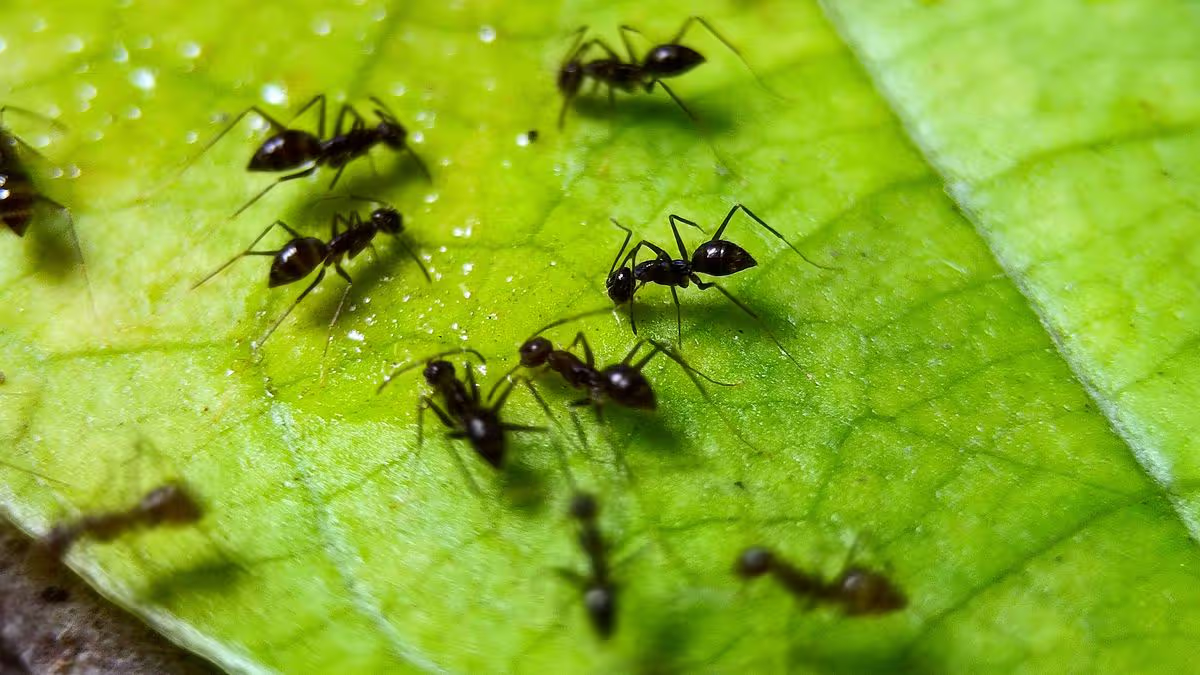
In the ongoing battle against garden pests, a surprisingly simple and affordable solution has emerged from an unexpected source: the kitchen spice rack. According to a viral social media tip gaining traction among gardening enthusiasts, common cloves—a staple in holiday baking and savory dishes—may be a powerful natural deterrent against invading ants. The advice originates from TikTok creator Anne Caserta, who demonstrated in a now-popular video that simply scattering ground cloves near an ant nest caused the insects to rapidly retreat. She noted that the ants, seemingly repelled by the scent, “scrambled” away, and even claimed the colony’s queen appeared to direct her workers to avoid the area entirely. This humble household item, often purchased for as little as 66p from budget supermarkets, presents an appealing alternative to often costly commercial repellents, resonating with gardeners seeking effective, non-toxic methods to protect their outdoor spaces.
The science behind this trick lies in the unique chemical makeup of cloves, which contain a potent aromatic compound called eugenol. This substance is frequently associated with natural insect-repelling properties and is known to interfere with the highly sensitive sensory systems of ants. Since ants rely heavily on scent trails to navigate, communicate, and locate food sources, introducing a strong, disruptive odor like that of cloves can effectively mask these chemical pathways and disorient the colony. Organizations like Gardeners’ World have long noted that strongly scented herbs and spices can serve as natural deterrents, and research published by the National Library of Medicine has examined clove oil’s insecticidal and repellent characteristics against various household pests, lending credence to these anecdotal gardening hacks.
For many gardeners, ants are more than a minor nuisance—they can disrupt lawns, invade flowerbeds, and create unsightly mounds in patios and paving. While the Royal Horticultural Society (RHS) states that ants are generally harmless in gardens and can even aid soil aeration, large nests in high-traffic areas can become problematic. Traditional chemical solutions exist, but they often come with a higher price tag and potential environmental concerns. In contrast, using ground cloves or clove oil offers a gentle, accessible approach focused on deterrence rather than destruction. By sprinkling the spice around entry points, nest perimeters, or along known ant trails, gardeners may effectively encourage ants to relocate without causing them harm, aligning with a more conscientious and ecologically mindful gardening philosophy.
It is important, however, to apply this natural remedy thoughtfully and safely. Gardening specialists and animal welfare organizations like the RSPCA advise using strong spices and essential oils with care around pets and wildlife. While cloves are generally safe, concentrated forms or excessive application directly onto delicate plants, new seedlings, or edible crops should be avoided to prevent any potential irritation or damage. The key is moderation and strategic placement—creating a protective barrier where ants are unwanted without overwhelming the garden’s ecosystem. This measured approach ensures that gardeners can test the method safely, observing how local ant populations respond before deciding on broader or repeated use.
The enthusiastic response to this tip highlights a growing community interest in sustainable, DIY gardening solutions. On social media platforms, viewers have quickly shared their appreciation, with comments ranging from eager to try the method to surprised delight at learning something new. Some users even expanded on the idea, suggesting that clove oil applied to shoes or garden tools can help keep ants at bay during outdoor work. This exchange of knowledge reflects a broader trend toward reclaiming simple, traditional practices in modern gardening, where everyday household items are repurposed to solve common problems, often saving money and reducing reliance on synthetic chemicals.
Ultimately, the suggestion to use cloves as an ant repellent embodies a practical and hopeful approach to garden care—one that values simplicity, affordability, and harmony with nature. While results may vary depending on the severity of the infestation or specific ant species, the method offers a low-risk, accessible starting point for anyone looking to manage ants naturally. As with any gardening practice, patience and observation are key; what works in one garden may need adjustment in another. But for those tired of unwelcome ant colonies disrupting their outdoor sanctuary, reaching for a jar of cloves could be a small step toward a more peaceful, pest-resistant garden, proving that sometimes the best solutions are already sitting on our kitchen shelves.