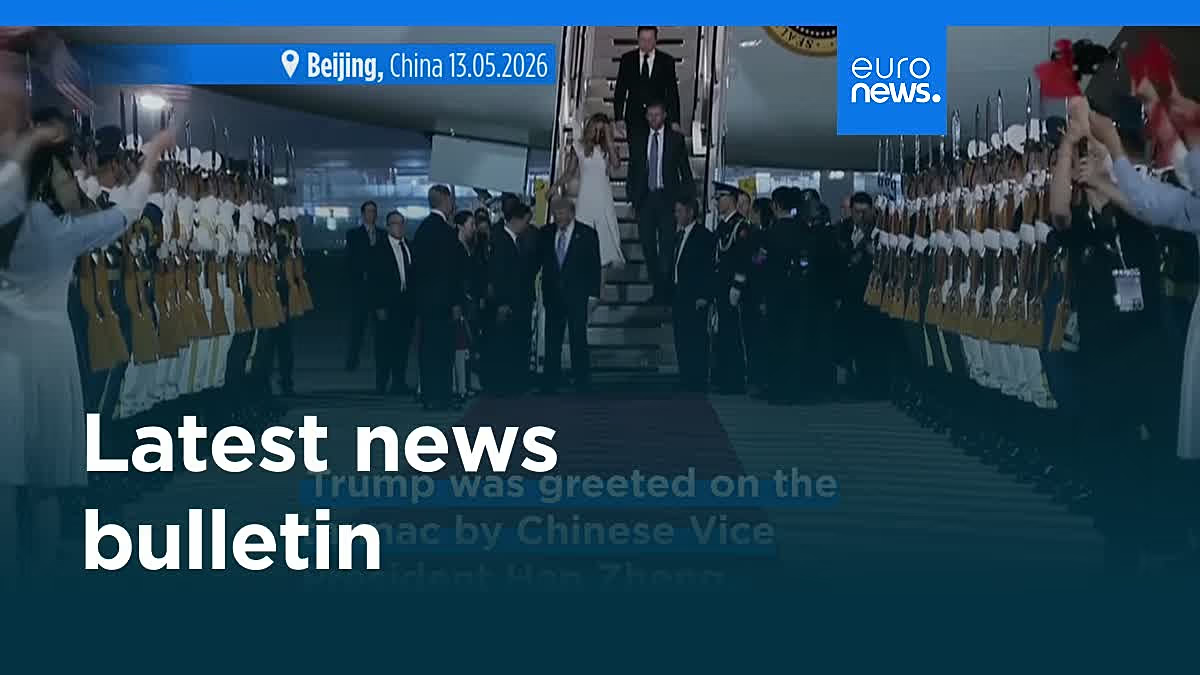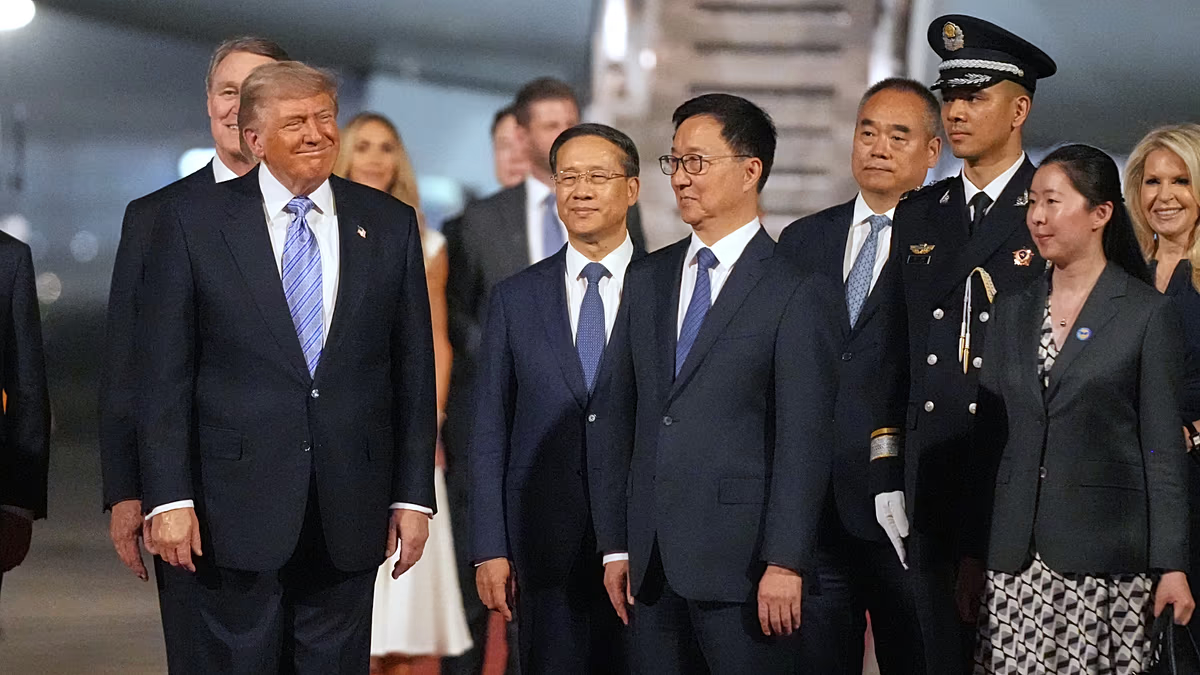

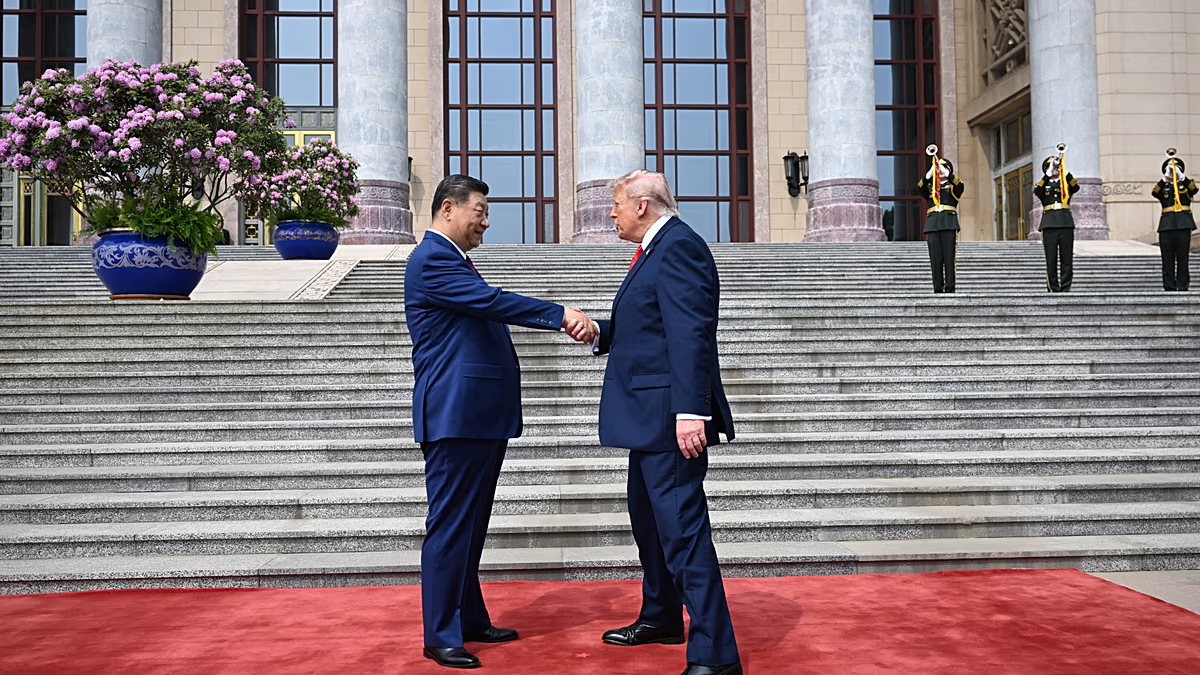


The visit of the U.S. President to China represents a significant moment in bilateral relations, marked by ceremonial respect and a mutual emphasis on future cooperation. Upon his arrival at the Great Hall of the People, the President was welcomed with a formal red-carpet ceremony, setting a tone of diplomatic courtesy. In their opening remarks, both leaders articulated a forward-looking vision. The Chinese President stressed the importance of the two nations collaborating to tackle global challenges, while the U.S. President echoed this sentiment, expressing optimism about a “fantastic future together.” The American leader also offered personal praise, referring to his counterpart as “a great leader” and highlighting their history of resolving differences through direct communication, a nod to the personal rapport that has characterized their past interactions.
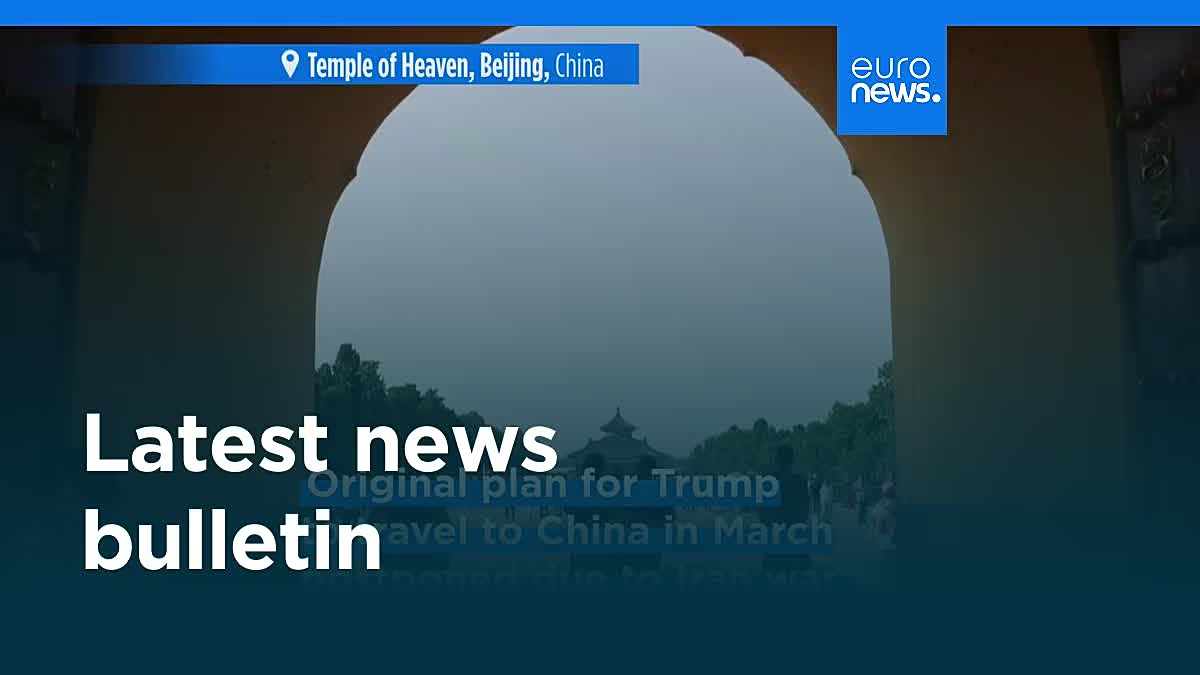
This trip is notably the first by a sitting U.S. president to Beijing in nearly ten years, following the previous administration’s visit in 2017. Its timing is crucial, as both governments seek to navigate away from further economic confrontation and re-establish stable, high-level dialogue. The underlying context is a complex relationship strained by trade tensions, strategic competition, and geopolitical differences. The visit itself is a tangible effort to steer this relationship toward a more manageable and cooperative path, providing a platform for direct engagement at the highest level.
Central to the agenda are pressing economic issues, most notably the trade war that has seen both countries impose significant tariffs. Discussions are expected to focus on extending a tariff truce reportedly agreed upon in late 2025, which would be a vital step in de-escalating economic tensions. Beyond tariffs, the talks will encompass broader strategic concerns. Topics such as Taiwan, the management of critical rare earth exports, and the governance of emerging technologies like artificial intelligence are slated for discussion, reflecting the multifaceted nature of the U.S.-China rivalry, which spans economic, technological, and geopolitical domains.
The economic significance of the visit was further underscored by the presence of prominent American business leaders within the delegation. Figures such as Tesla’s Elon Musk, Nvidia’s Jensen Huang, and Apple’s Tim Cook accompanied the President, highlighting the deep commercial interests at stake. Their participation signals the private sector’s desire for stability and clearer rules in the vital U.S.-China economic relationship, and it adds a layer of practical, business-oriented dialogue to the high-level political discussions.
Overall, the meetings aim to address immediate points of friction while cautiously exploring areas for potential collaboration. The combination of ceremonial warmth, personal diplomacy between the leaders, and the inclusion of major corporate figures creates a multifaceted diplomatic event. It is an attempt to balance competitive realities with a shared recognition that uncontrolled conflict is detrimental to both sides, aiming to find a more sustainable framework for managing one of the world’s most consequential relationships.
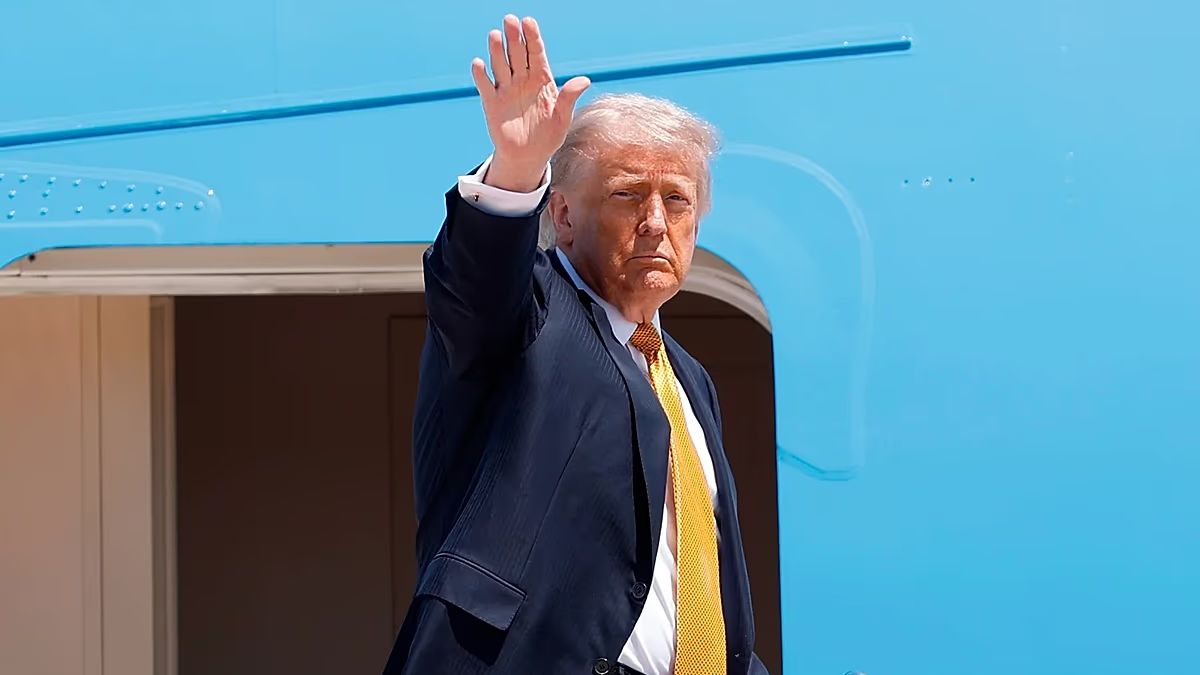
The President is scheduled to conclude his visit after a final private meeting with the Chinese leader, departing the country on Friday. The outcomes of these discussions, particularly regarding the trade truce and the tone set on strategic issues, will be closely watched by global observers. While the ceremonial aspects and positive rhetoric provide an improved atmosphere, the enduring structural challenges between the two powers remain. The visit serves as a critical channel for communication, but the long-term trajectory of U.S.-China relations will depend on the translation of these high-level talks into concrete policy actions and mutual compromises in the months and years that follow.