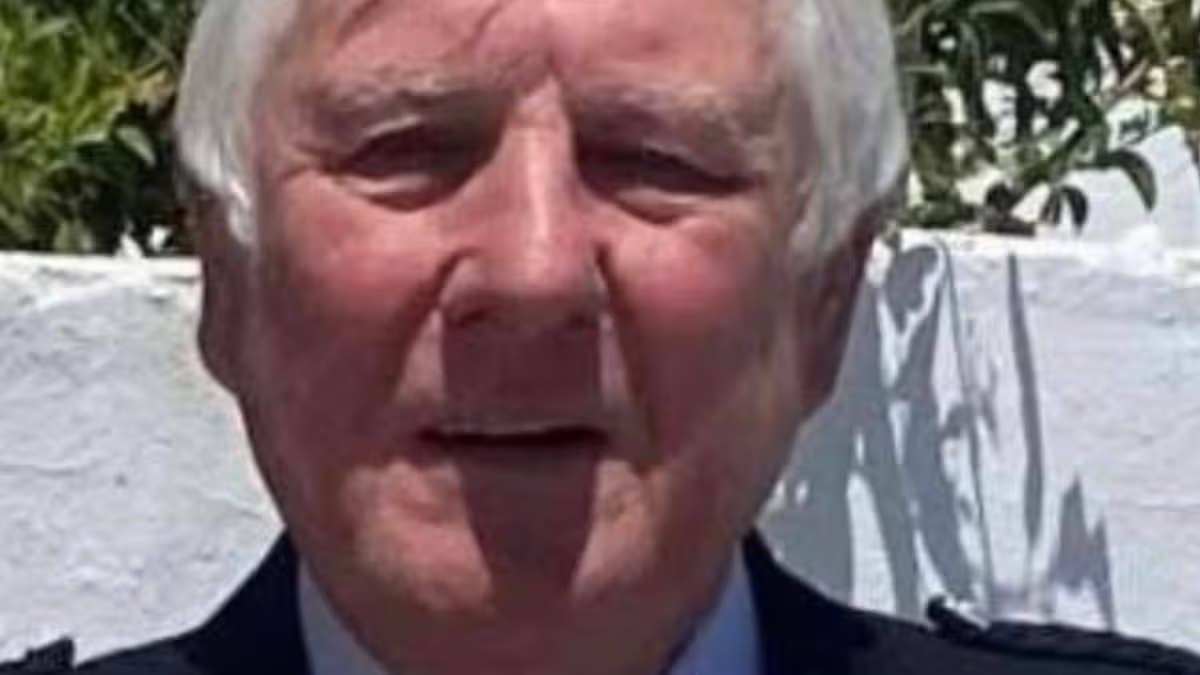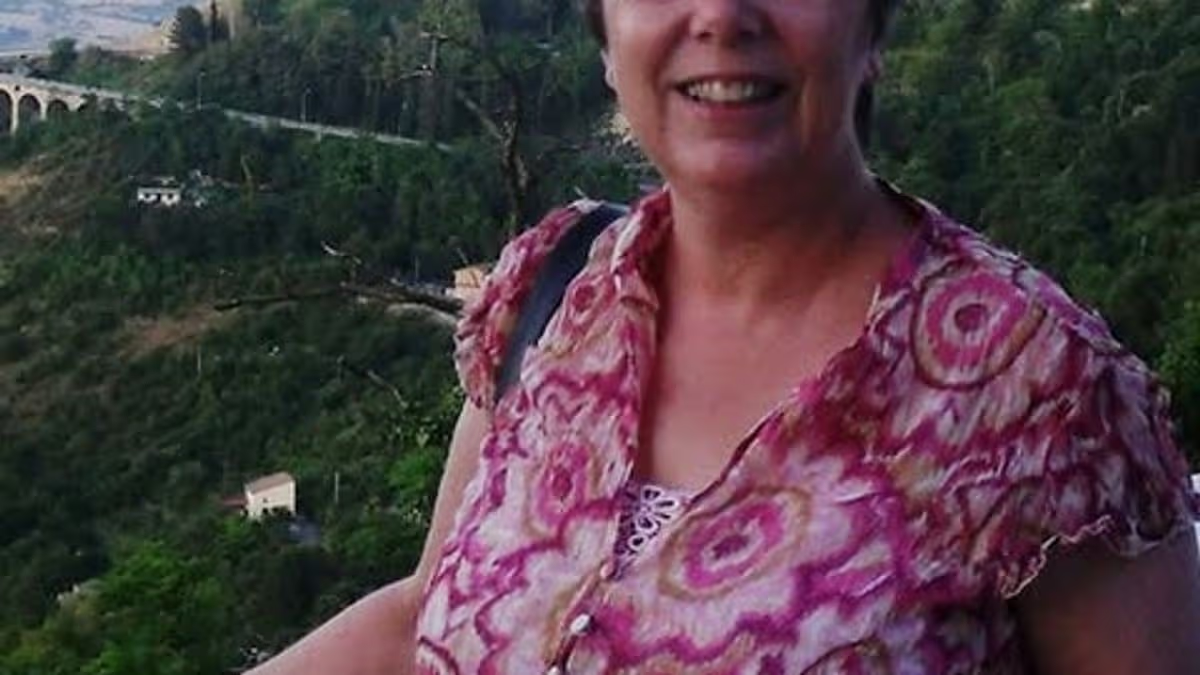



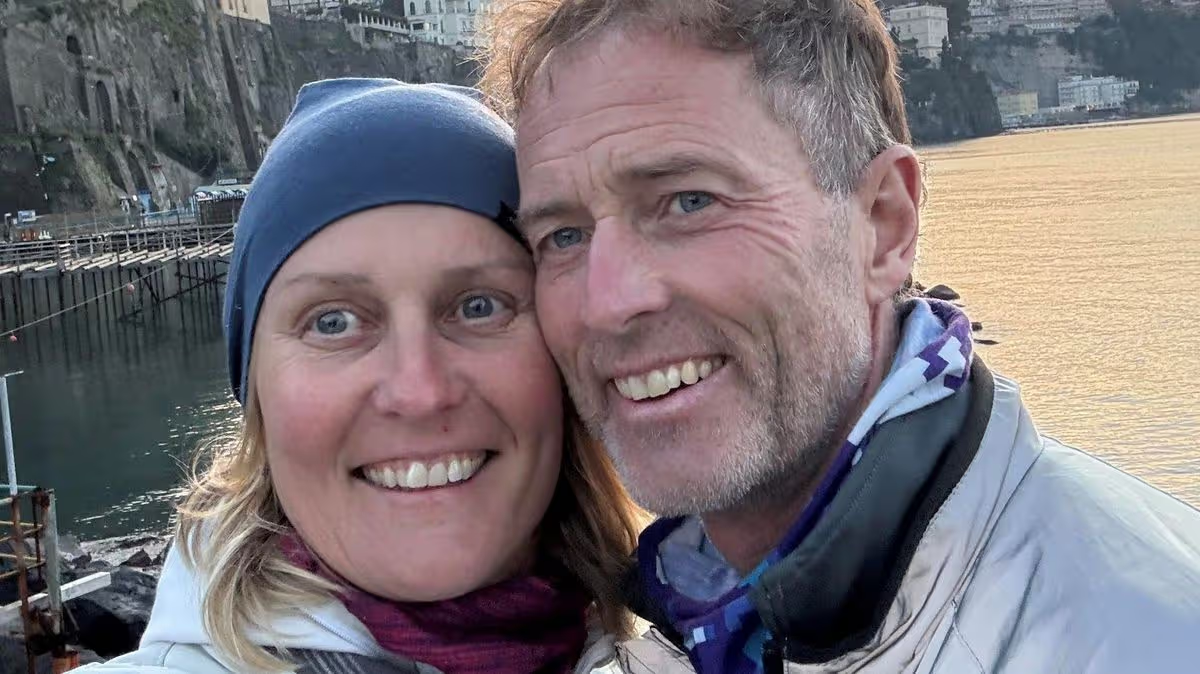
For fifteen months, Lindsay and Craig Foreman, a married couple from East Sussex, have been living a nightmare within the concrete walls of Tehran’s notorious Evin Prison. What began as the adventure of a lifetime—a motorcycle tour across continents—ended abruptly with their arrest in January 2025. Their subsequent conviction for espionage in a trial they describe as a “sham,” conducted without proper defence, has sentenced them to a decade behind bars. In a heartbreaking joint interview, patched together via a prison payphone to Lindsay’s son, Joe, the couple have broken their silence, revealing the grim reality of their existence, which they fear is causing them to simply “rot away.” Their story is not just one of personal tragedy but a stark illustration of how individuals can become pawns in international tensions, held under horrific conditions with little hope of swift justice.
The daily reality for the couple is one of profound isolation and psychological strain. Confined to separate wings of the prison, they are deprived of even the simple comfort of each other’s company. Lindsay, a psychologist, finds herself in a cell where no one speaks English, leaving her in a crushing silence. She clings to routines, noting that laps around the prison yard are “keeping her sane,” yet her professional training can only buffer so much. During the interview, her composure fractured under the weight of the injustice, leading her to weep over the “unfair” treatment. From another phone, Craig could hear her distress, his voice cutting in with a tender, steadfast plea: “We can do this. We will do this. We’ll get through it together… So stay strong, my love.” This poignant moment underscores the emotional torture of their separation, their only connection a fragile telephone line monitored by the state.
The physical conditions Craig endures are equally harrowing. He describes a volatile environment where violent fights among inmates are frequent, necessitating homemade weapons and forcing him to constantly navigate threats. His health is deteriorating, suffering from an untreated tooth abscess that highlights the severe lack of adequate medical care. Most chilling are his accounts of the executions that have touched his very cell. He recounts how four of his cellmates were taken away under the false pretence of a family visit, only for him to later discover their faces on the prison television, announced as executed. This practice forms part of what human rights groups call an “extraordinary increase” in the use of the death penalty as a political tool in Iran, a campaign of state terror designed to crush dissent and instil fear.
The tactic of using foreign nationals as diplomatic leverage is a well-documented pattern of the Iranian regime. The UK Foreign Office has labelled the Foremans’ case “appalling,” with Minister Hamish Falconer stating in Parliament that it is “absolutely obvious that they were innocent tourists.” Anoosheh Ashoori, a British-Iranian who was himself imprisoned in Evin for nearly five years on false charges before being released in 2022, provides a grim corroboration of the couple’s ordeal. He describes “passive torture”—a state-engineered environment of squalor, tension, and neglect where inmates are pushed to their limits. He recounts foul food, infestations of vermin, a dire lack of sanitation, and a medical clinic that is little more than a façade. His testimony confirms that the Foremans’ suffering is systemic, a deliberate method to break spirits and exert control.
Amid this darkness, the Foreman family’s campaign for their loved ones’ freedom is a relentless beacon of hope. Lindsay’s son, Joe Bennett, has put his own life and career on hold to advocate full-time for his mother and stepfather. He speaks of the “incredibly difficult” struggle of campaigning while watching geopolitical conflicts unfold near where his family is held, a situation that feels “overwhelming.” Yet, he insists, “we have never had the option to stop. Every day matters.” This relentless familial pressure, combined with diplomatic efforts—including visits by the British Ambassador to Tehran and direct engagement by the Foreign Secretary—forms the crucial, ongoing effort to secure their release. However, the path to freedom remains uncertain and fraught with the complexities of international relations.
The ordeal of Lindsay and Craig Foreman is a human story trapped within a political machinery. They are not spies but ordinary people whose dream journey met a catastrophic end. Their daily battle is against more than prison walls; it is against a calculated system of psychological pressure, physical neglect, and judicial farce. As they mark each passing day in Evin, their resilience and their family’s unwavering fight stand in stark contrast to the injustice they endure. Their case is a urgent reminder of the human cost of geopolitical hostage-taking and a plea for the world to remember the individuals caught in its grip, clinging to the hope that they will one day be “on the other side of these walls.”