



His Royal Majesty King Charles III of the United Kingdom has now concluded a significant four-day state visit to the United States, a journey that blended somber remembrance with warm, public celebration. The final chapter of this diplomatic tour unfolded on Thursday, with the King and Queen Camilla departing from Joint Base Andrews in Maryland. Their departure followed a schedule rich in symbolism and shared history, designed to reinforce the enduring, if sometimes complex, partnership between the two nations. The visit was not merely a series of formalities but a carefully curated narrative, acknowledging the past while engaging directly with the citizens of the present.
The concluding day provided powerful moments of reflection, beginning at the hallowed grounds of Arlington National Cemetery. There, King Charles paid solemn tribute to America’s fallen service members, laying a wreath at the Tomb of the Unknown Soldier. This act of respect was a poignant reminder of the shared sacrifices made by British and American troops across generations, from the trenches of World War I to more recent conflicts. The quiet dignity of the ceremony stood in stark contrast to the festivities that followed, yet both were essential threads in the fabric of the transatlantic relationship, honoring both the cost of alliance and its joyful fruits.
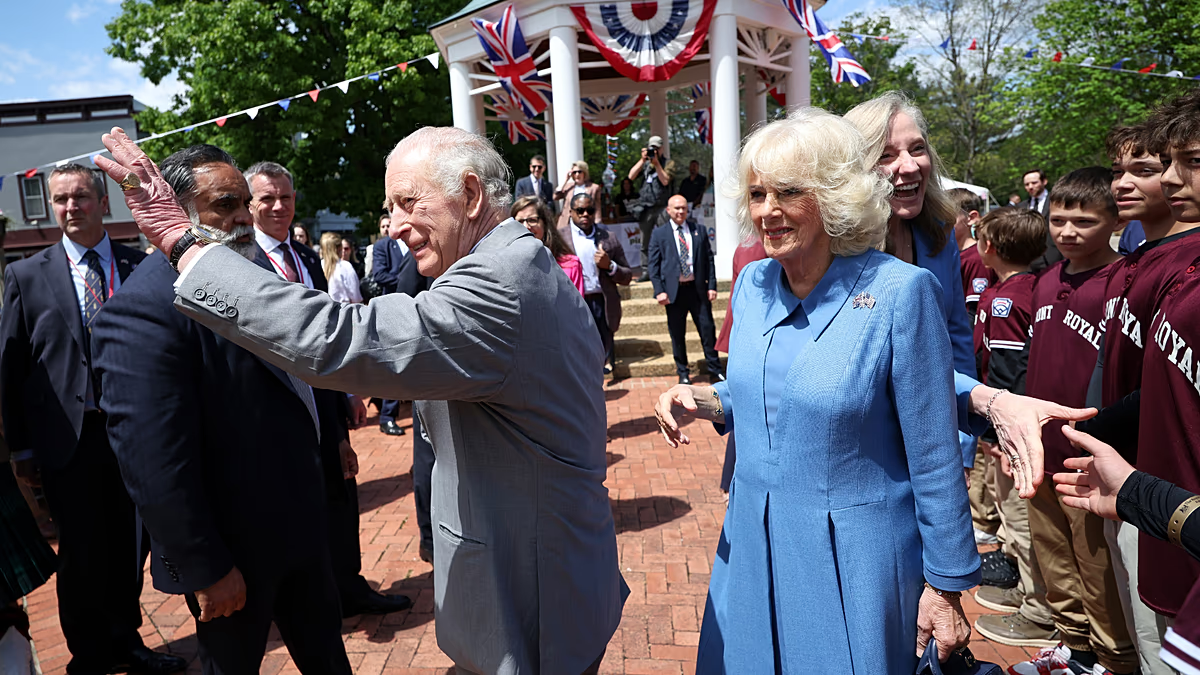
From reverence, the day transitioned to revelry as the royal couple traveled to Front Royal, Virginia. There, they were welcomed with open arms at a vibrant “block party” celebrating 250 years since American independence—a history from which the British Crown is famously inseparable. Crowds lined the streets, waving flags and cheering as King Charles and Queen Camilla watched a parade and mingled with locals. This scene in a small American town was profoundly humanizing, showcasing a monarchy meeting the people on their own terms. It illustrated a modern relationship built not on old colonial ties, but on mutual respect and a shared spirit of community, allowing for a celebration of independence that could warmly include the descendant of the very king from whom that independence was declared.
The visit culminated in a formal farewell at the White House alongside US President Donald Trump, representing the essential statecraft component of the journey. This meeting served to underscore ongoing diplomatic and economic collaborations between the two governments. Following this official closure, King Charles boarded a flight not directly to the United Kingdom, but to Bermuda, marking his first visit to the British overseas territory as monarch. This leg of the journey highlights the continuing responsibilities of the Crown to all its realms and territories, subtly extending the visit’s narrative of connection and duty beyond the American mainland.
Reflecting on the visit as a whole, its success lay in this multifaceted approach. It skillfully balanced the weight of history at Arlington with the lighthearted community joy in Front Royal, and the high-stakes diplomacy in Washington, D.C. Each event served a distinct purpose: to honor shared sacrifice, to foster direct public goodwill, and to affirm strategic governmental bonds. For King Charles III, this tour was a significant early opportunity to shape his own monarchical footprint on the world stage, demonstrating a personal touch and a commitment to the values of service and unity that define the modern Commonwealth.
In essence, King Charles’s American journey was more than a ceremonial round of engagements; it was a story told in acts of remembrance, celebration, and partnership. From a quiet, respectful moment among the headstones of Arlington to the lively cheers on a small-town street, the visit painted a picture of a relationship that has matured far beyond its revolutionary origins. As the King continues his travels to Bermuda, the echoes of this visit reinforce a simple truth: that the alliance between nations is ultimately sustained by the shared humanity, mutual respect, and common hopes of their people.