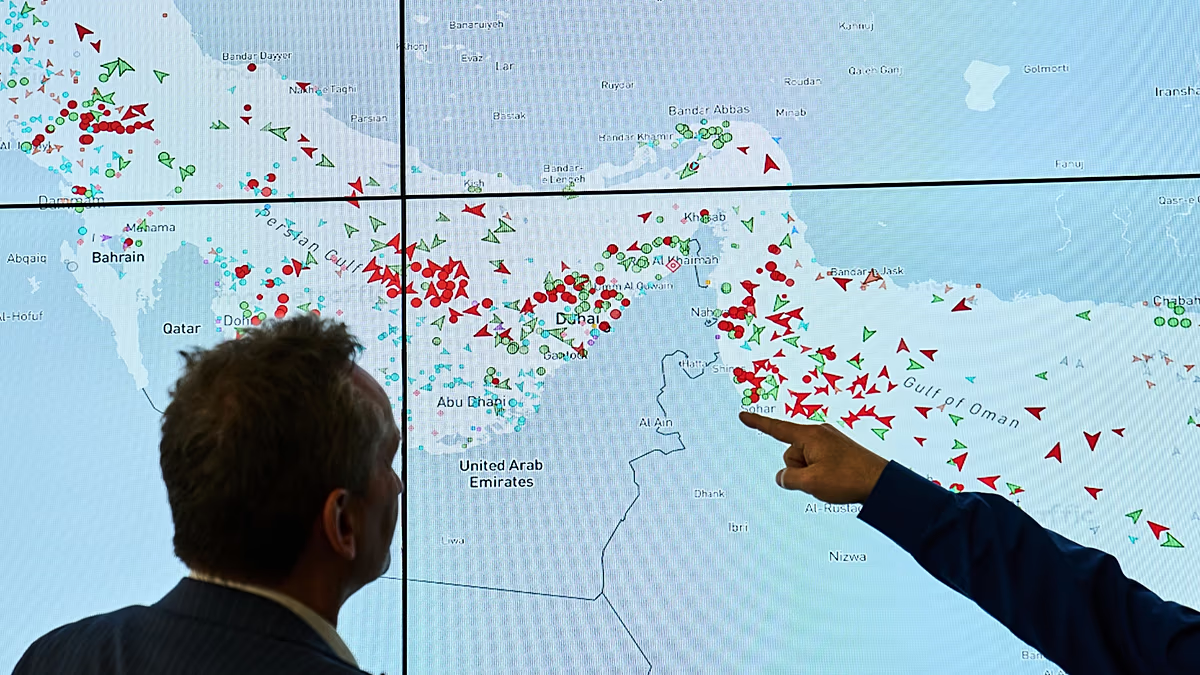


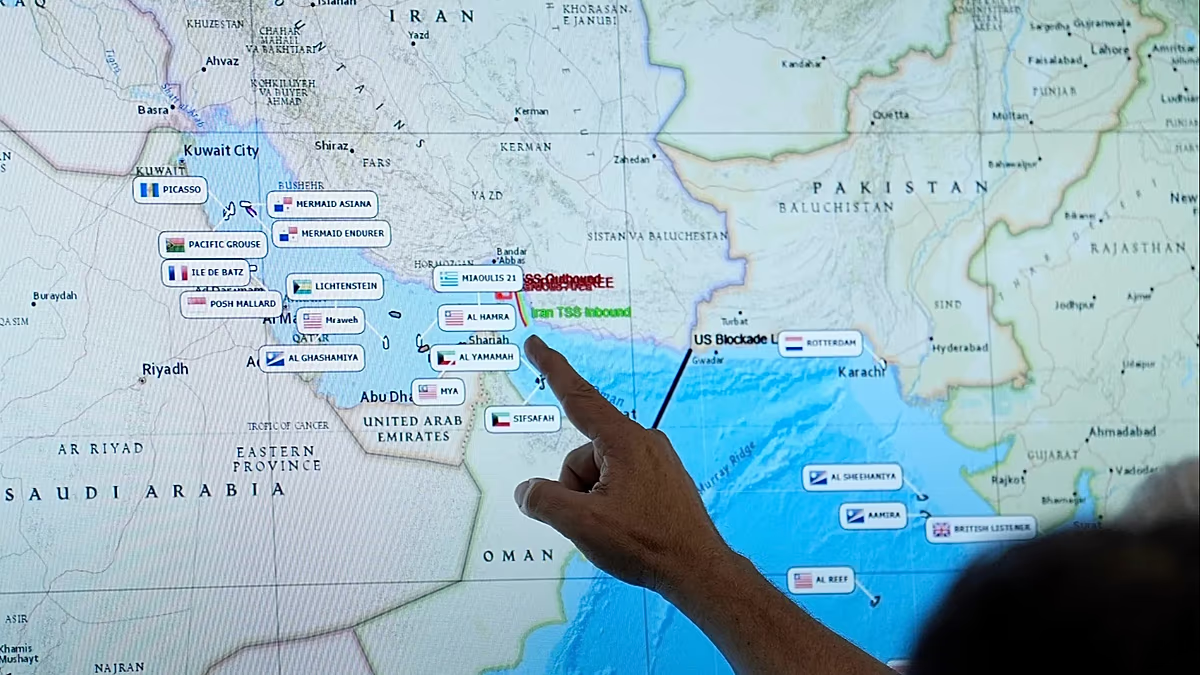
The global energy market is facing a severe crisis as a result of the effective closure of the Strait of Hormuz, a narrow maritime passage between the Persian Gulf and the Gulf of Oman. This critical chokepoint, through which approximately one-fifth of the world’s seaborne oil and a significant portion of its liquefied natural gas normally flows, has been largely shut down by Iran since late February. The blockade is a pivotal strategy in an ongoing regional conflict, leading to skyrocketing energy prices worldwide and threatening the stability of the global economy. The resulting scarcity has pushed benchmark crude prices to levels not seen since the early days of the Russia-Ukraine war, placing immense strain on nations reliant on these energy imports and highlighting the strait’s indispensable role in international trade.
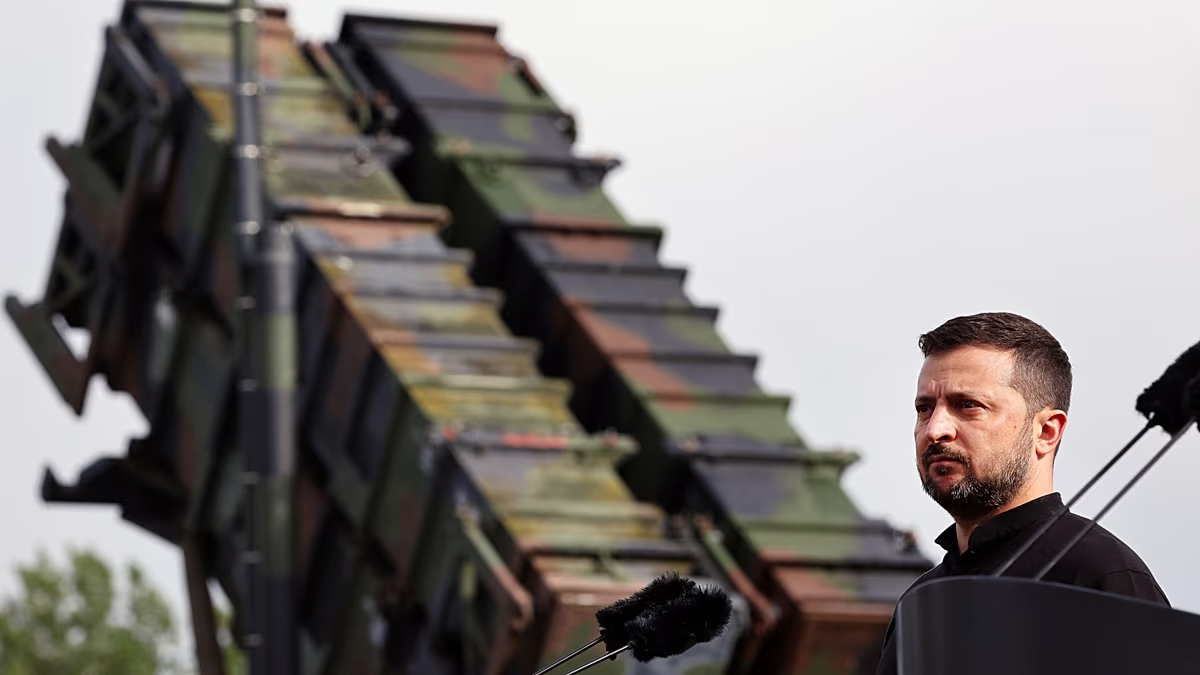
In response to this economic stranglehold, the United States is spearheading the formation of an international coalition, dubbed the “Maritime Freedom Construct” (MFC). According to State Department officials, this initiative aims to restore safe passage through the troubled waters by providing coordinated naval patrols, real-time information, and security guidance for commercial vessels. The effort is framed not merely as a military operation but as a necessary diplomatic and commercial undertaking to uphold the principle of freedom of navigation. The U.S. is actively urging allies and trading partners to join this collective action, arguing that unified resolve is essential to impose meaningful costs on Iran for obstructing transit and to protect the interconnected global economy from further disruption.
The American push for allies to contribute to securing the Strait of Hormuz has been met with a complex international landscape. While the United Kingdom and France have been conducting their own separate diplomatic efforts, convening discussions with dozens of nations on maritime security, the U.S. has expressed frustration over what it perceives as reluctance from some partners to share the burden. President Donald Trump has publicly criticized allies, emphasizing that oil-reliant nations, in particular, should take responsibility for safeguarding the waterways that are vital to their economic survival. This tension underscores the challenges of building a broad, willing coalition for a mission that carries significant political and military risks in an already volatile region.
Iranian leadership has responded to the escalating pressure with defiant rhetoric, framing the U.S. mobilization as an act of aggression that is destined to fail. President Masoud Pezeshkian has condemned the subsequent U.S. naval blockade of Iranian ports, imposed in April as a retaliatory measure, labeling it a source of tension that undermines long-term regional stability. In a symbolic message on a national holiday, the country’s new Supreme Leader, Ayatollah Mojtaba Khamenei, proclaimed a “disgraceful defeat” for the United States, heralding a “new chapter” for Persian Gulf security under Iranian management. This bold narrative, promoted despite reports of the Ayatollah’s serious injuries from earlier military strikes, is designed to project strength and legal authority over the strategic strait to both a domestic and regional audience.
The human and economic toll of this geopolitical standoff is profound and far-reaching. Beyond the soaring prices at fuel pumps and for heating homes, the blockade disrupts the supply chains for countless goods, increases shipping costs, and threatens to trigger broader inflation and economic slowdowns. For the nations bordering the Persian Gulf, the crisis creates an atmosphere of perpetual anxiety, with commercial shipping crews facing unprecedented dangers. The situation is a stark reminder of how regional conflicts can rapidly escalate into global emergencies, where decisions made in Tehran or Washington directly impact the daily lives and economic well-being of people continents away.
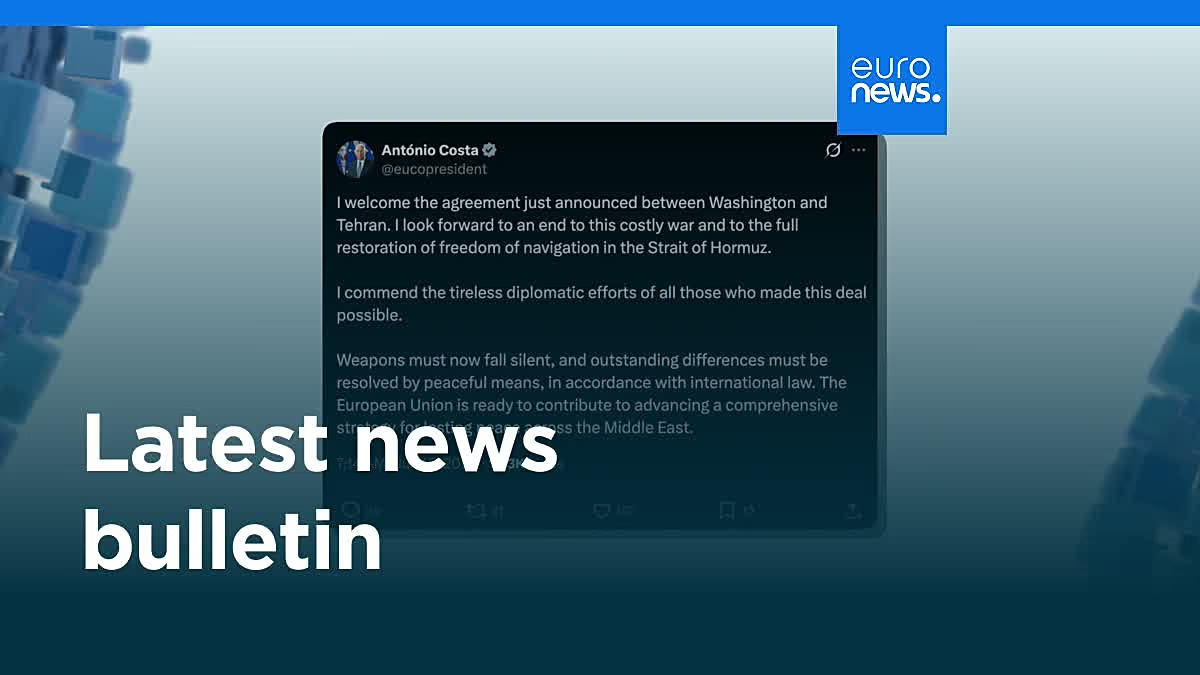
As the stalemate continues, the world watches a high-stakes confrontation where diplomatic, military, and economic pressures are intensifying. The success of the U.S.-led Maritime Freedom Construct remains uncertain, hinging on the willingness of other nations to commit resources and risk entanglement. Meanwhile, Iran’s commitment to maintaining its chokehold on the strait as a strategic lever shows no signs of wavering. The path forward is fraught with risk, as any miscalculation could lead to a further escalation. The coming weeks will be crucial in determining whether a coalition can forge a path to reopening this vital artery of global commerce or if the world must brace for a prolonged period of energy scarcity and economic instability.