


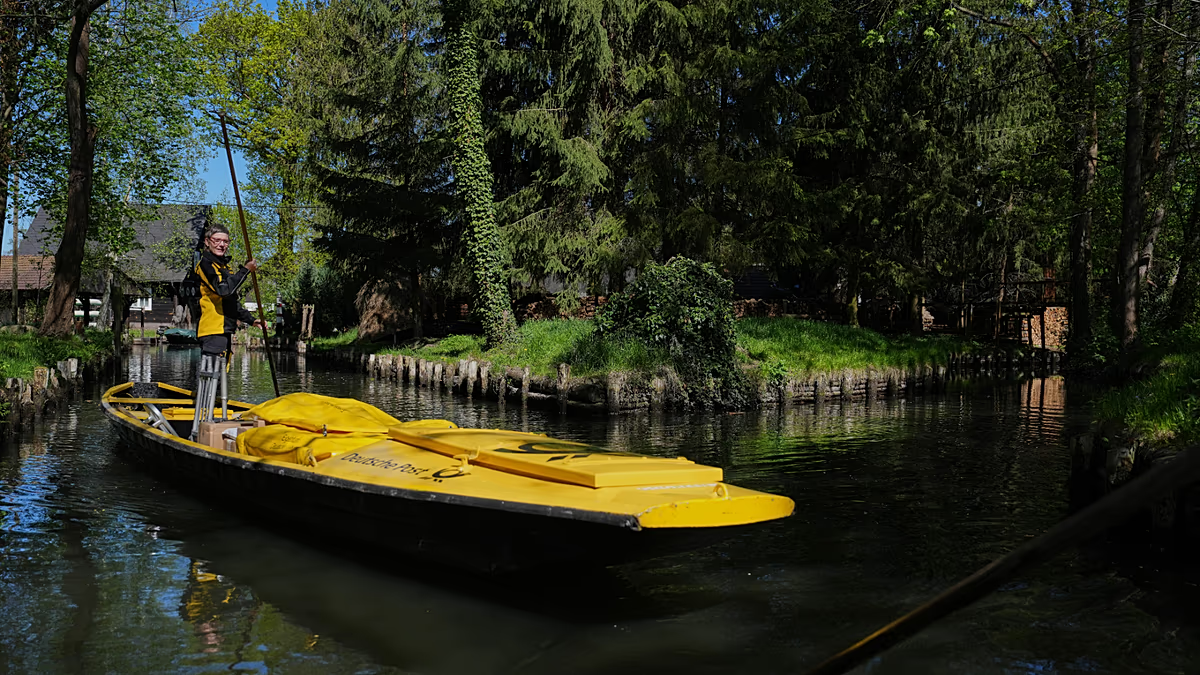
In the serene waterways of the Spreewald Forest, a unique rhythm of life resumes with the spring thaw. Southeast of Berlin, postal worker Andrea Bunar has exchanged her winter automobile for her fair-weather vessel, returning to her timeless route of delivering mail by barge. After months of navigating icy, snow-covered roads around the village of Lehde, the 55-year-old deftly guides her yellow boat along narrow, winding rivers and creeks once more. This annual transition marks the return of a living tradition, connecting isolated households in a way that has defined this region for generations.
This picturesque area, a UNESCO biosphere reserve, is laced with over 300 kilometres of waterways that have long dictated the flow of daily life. The village of Lehde, nestled within this aquatic labyrinth about 100 kilometres from the capital, holds a special distinction: it is the only place in Germany where the post still arrives by boat. For fourteen years, Andrea Bunar has been the steward of this unique service. Each week, she faithfully transports approximately 600 letters and 80 parcels along an eight-kilometre aquatic circuit, a vital link for the community.
The challenges of the seasons govern her work. During the harsh winter months, frozen canals and treacherous, snow-lined paths force a shift to road deliveries, which are often slower and more difficult. But with the arrival of spring, the ice recedes and the waterways open, beckoning Bunar back to her barge. Her routine is one of serene focus; she uses a single oar to steer, gliding past lush banks and dipping willow branches, stopping to deposit mail directly into the riverside postboxes of her customers. This method is not a novelty or a tourist attraction, but a practical and enduring solution shaped by the landscape itself.
This postal service is a thread of continuity stretching back an astonishing 129 years, a testament to the community’s adaptation to its environment. It represents more than mere logistics; it is a symbol of cultural heritage and a slower, more deliberate pace of life that persists in the modern age. Bunar is more than a mail carrier—she is a familiar figure, a lifeline, and a living connection to a history that floats upon these waters.
Her daily journey is a quiet, moving portrait of harmony between human routine and the natural world. The gentle splash of the oar, the rustle of paper in her bag, and the soft knock of a mailbox door create a soundtrack untouched by the roar of engines. In an era of relentless digital communication and rapid global delivery, Bunar’s barge moves with a patient, physical certainty, reminding us that some connections are best nurtured with time and a personal touch.
Ultimately, Andrea Bunar’s route is a beautiful anomaly, a preserved piece of a quieter world. It underscores how geography can shape tradition and how necessity can blossom into enduring custom. As she steers her boat through the verdant channels of the Spreewald each spring, she does not just deliver mail; she carries forward a story, paddle stroke by paddle stroke, ensuring that even as the world changes, some rhythms remain gracefully, steadfastly the same.