


The simmering geopolitical tensions in the Middle East have boiled over, with direct consequences now poised to impact households across the United Kingdom. In late February, joint military strikes by the United States and Israel on Iranian targets triggered a significant escalation. Iran’s retaliation, which included strikes across the region and the decisive closure of the Strait of Hormuz, has sent shockwaves through global energy markets. This strategic waterway is a critical artery for world trade, carrying approximately one-fifth of globally traded oil. Its abrupt closure has inevitably caused sharp jumps in fuel prices worldwide, demonstrating how distant conflicts can rapidly translate into economic pressure felt by consumers thousands of miles away.
This international instability is the primary driver behind a distressing forecast for British energy bills. Analysts at Cornwall Insight predict that the household energy price cap will rise by £209 per year from July, pushing the average annual dual-fuel bill from £1,641 to around £1,850. This represents a substantial 13% increase in just three months. Craig Lowrey, Principal Consultant at Cornwall Insight, noted the dramatic shift in forecasts, stating, “Over the past few months, we’ve watched our forecasts shift from showing virtually no quarter-on-quarter increase to a 13% rise in current bills – with this change due to the impacts of the Middle East conflict.” While energy usage typically dips during the warmer summer months, providing some temporary buffer, this rise signifies a worrying trend that sets the stage for a more severe crisis later in the year.
The true cause for concern, experts warn, lies in the autumn and winter months. Current projections suggest that October’s price cap may remain stubbornly close to July’s elevated level, hovering around £1,850. This would break the usual seasonal pattern where households expect some financial relief in autumn before winter’s peak demand. “While households will understandably be frustrated by a rise during the summer, the bigger concern is October, when demand picks up again,” Cornwall Insight advised. The situation is compounded by the reality that even if the conflict were to de-escalate immediately, the damage to infrastructure and prolonged disruption to global supply chains means energy prices are unlikely to swiftly return to their pre-crisis levels. The instability has become embedded in the market.
Facing this prospect, charities and campaigners are sounding the alarm and calling for government intervention. The End Fuel Poverty Coalition has warned that millions of families, already struggling with existing energy debt accrued during the previous cost-of-living crisis, could face an extremely difficult and dangerous winter if prices remain high. They are urging the UK Government to formulate and announce emergency support plans well before the cold weather arrives. The looming increase threatens to push many more households into fuel poverty, forcing impossible choices between heating, eating, and other essential costs. Proactive measures are needed to prevent a public health and financial crisis during the colder months.
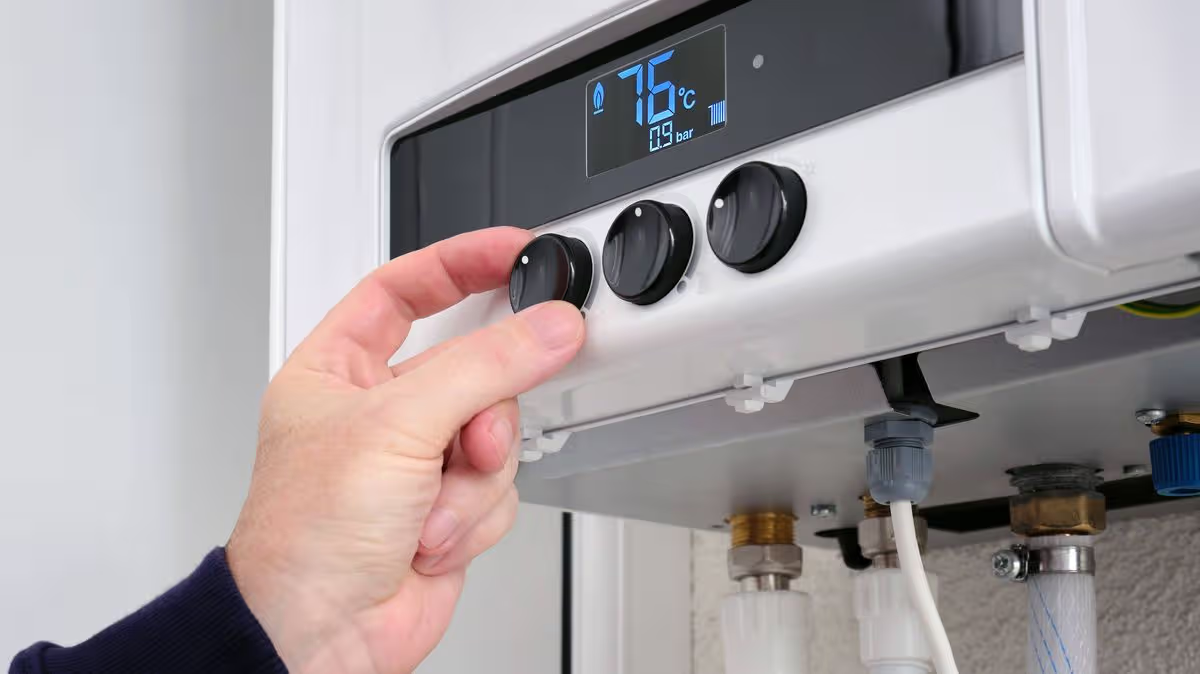
In light of these forecasts, households are encouraged to use the warmer spring and summer period to prepare their homes for greater efficiency ahead of winter. Proactive steps taken now can help mitigate the impact of higher unit costs later. Practical measures include bleeding radiators to ensure they work effectively, checking for and sealing draughts around windows and doors, and servicing boilers to optimize their performance. Improving insulation, even with small measures like loft insulation or reflective radiator panels, can also yield long-term savings. Additionally, adopting energy-conscious daily habits—such as washing clothes at 30°C, avoiding unnecessary tumble dryer use, batch-cooking meals, and using eco settings on dishwashers—can collectively reduce consumption and lower bills.
The official confirmation of the July price cap will come from Ofgem on May 27, finalizing the figures that will dictate bills for the third quarter of the year. This announcement will provide households and policymakers with a clear picture of the immediate challenge. However, the broader narrative underscores a fragile and interconnected global energy system, where geopolitical events in one region can directly dictate financial pressure in another. For UK consumers, the conflict in the Middle East has moved from the headlines on the news to a line item on their household budget, with the summer’s price rise serving as a stark prelude to the potential hardships of winter. The combined need for individual preparedness, supportive government policy, and a peaceful international resolution has never been more apparent.